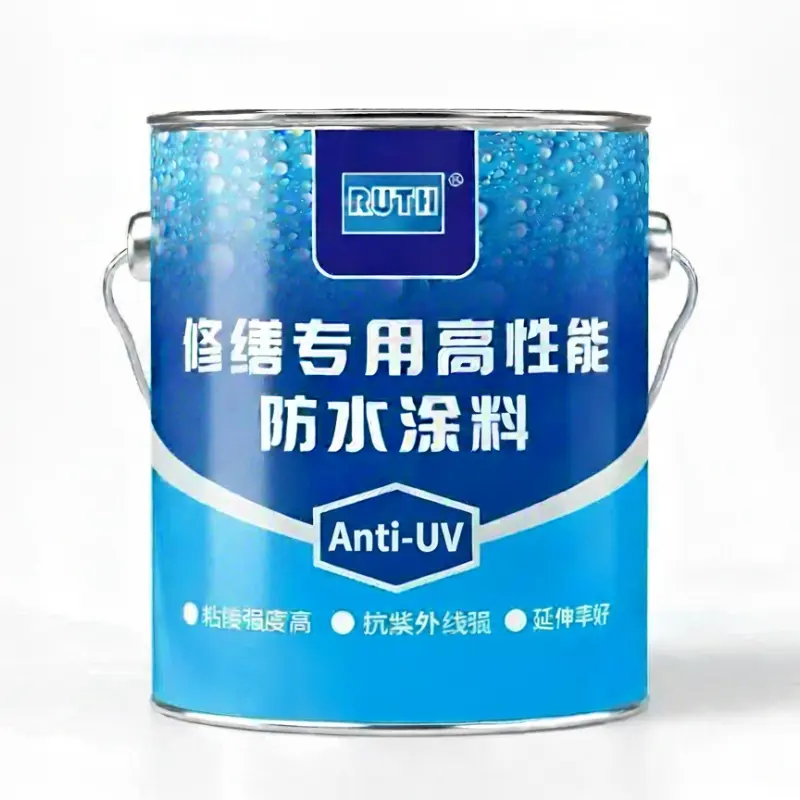
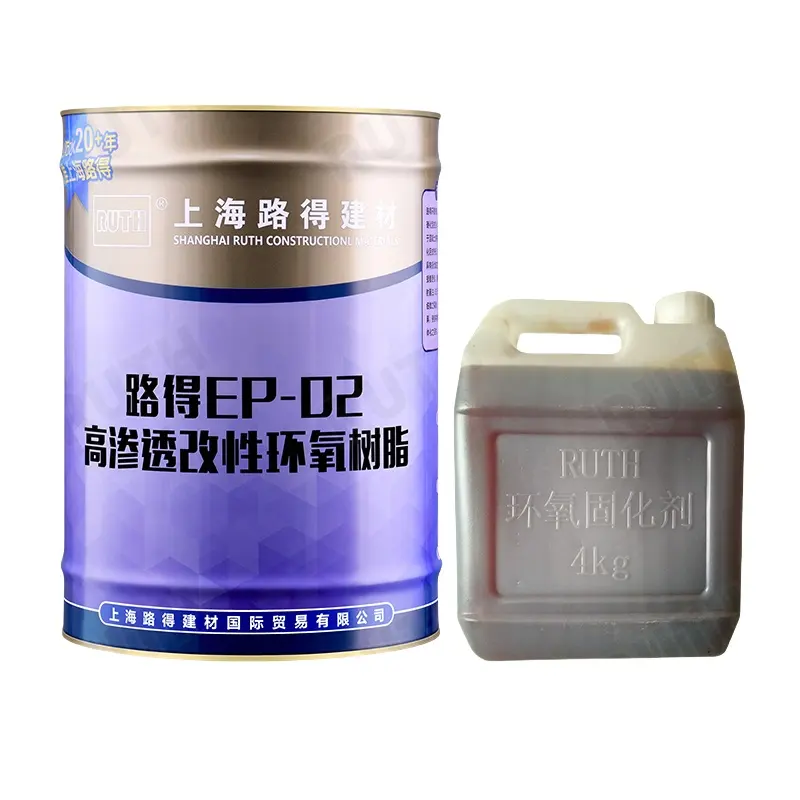
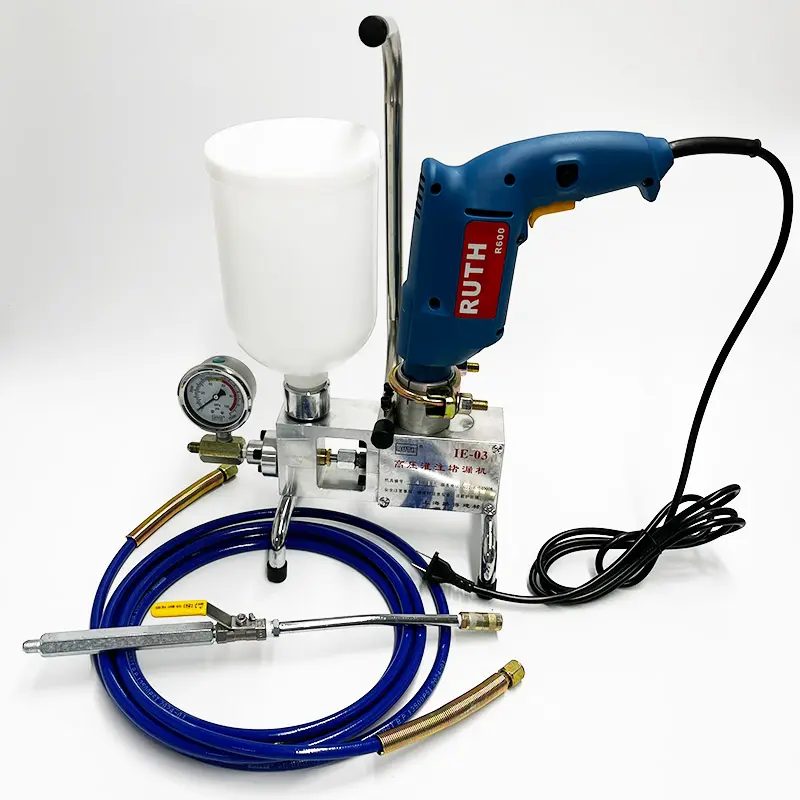
single component polyurea
Single component polyurea represents a revolutionary advancement in protective coating technology, offering exceptional performance characteristics that meet demanding industrial and commercial applications. This innovative material belongs to the elastomer family and delivers superior protection through its unique chemical composition and application properties. Unlike traditional two-component systems, single component polyurea eliminates the complexity of mixing ratios, reducing application errors and streamlining installation processes. The material cures through moisture reaction, creating a seamless, monolithic membrane that provides outstanding durability and performance. Its main functions encompass waterproofing, corrosion protection, chemical resistance, and structural reinforcement across diverse substrates. The technological features of single component polyurea include rapid cure times, excellent adhesion properties, and remarkable flexibility that accommodates substrate movement without compromising integrity. This coating system demonstrates exceptional resistance to UV radiation, extreme temperatures, and harsh environmental conditions. The material exhibits superior tensile strength, elongation properties, and impact resistance, making it ideal for high-stress applications. Single component polyurea applications span multiple industries, including construction, automotive, marine, industrial manufacturing, and infrastructure protection. In construction projects, it serves as roofing membranes, basement waterproofing, and deck coatings. Industrial facilities utilize this coating for tank linings, pipe protection, and equipment encasement. The marine industry benefits from its saltwater resistance and anti-corrosion properties for vessel protection and dock infrastructure. Transportation applications include truck bed liners, bridge deck protection, and parking structure coatings. The versatility of single component polyurea extends to specialty applications such as containment systems, blast mitigation, and architectural restoration projects. Its ability to cure in various environmental conditions makes it particularly valuable for emergency repairs and time-sensitive projects.

 EN
EN