epoxy for wall cracks
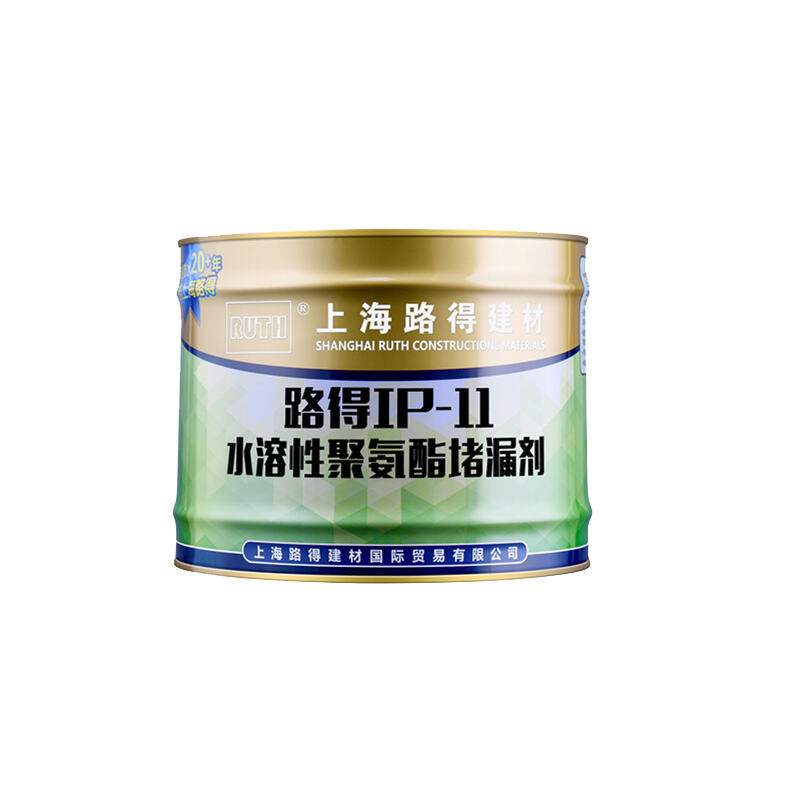
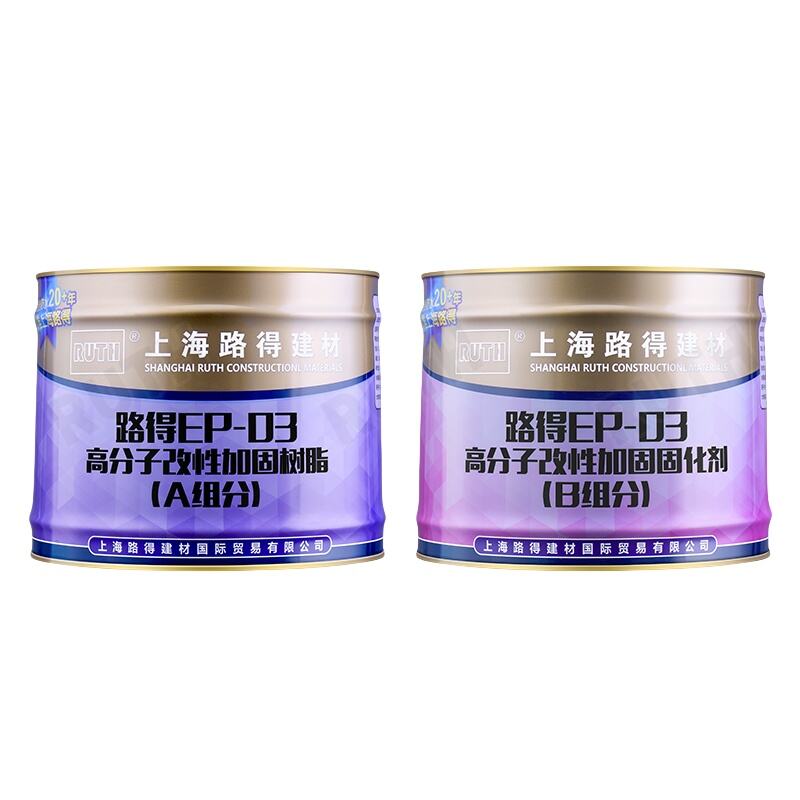
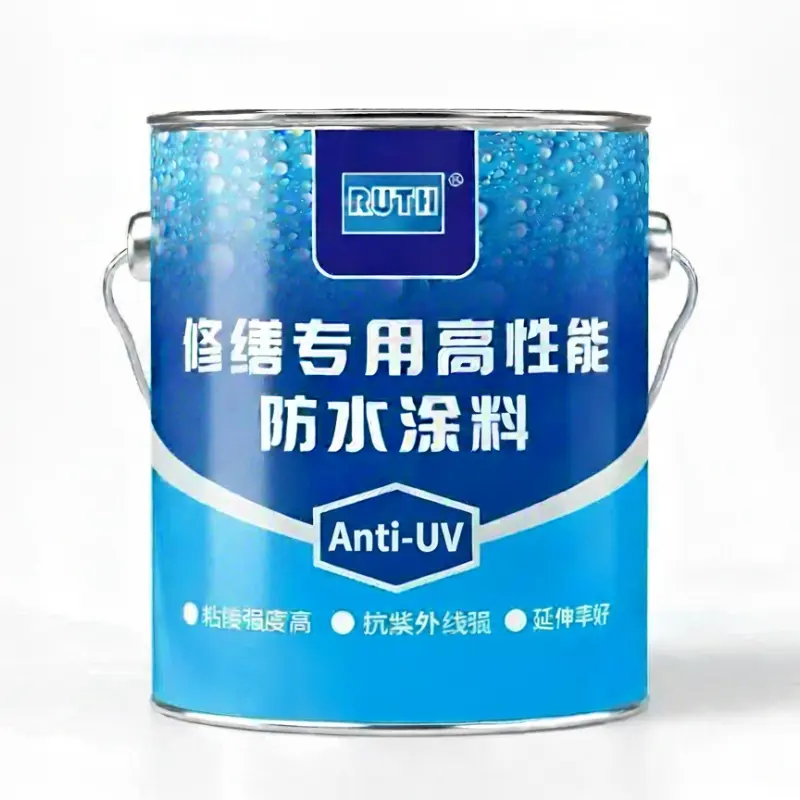
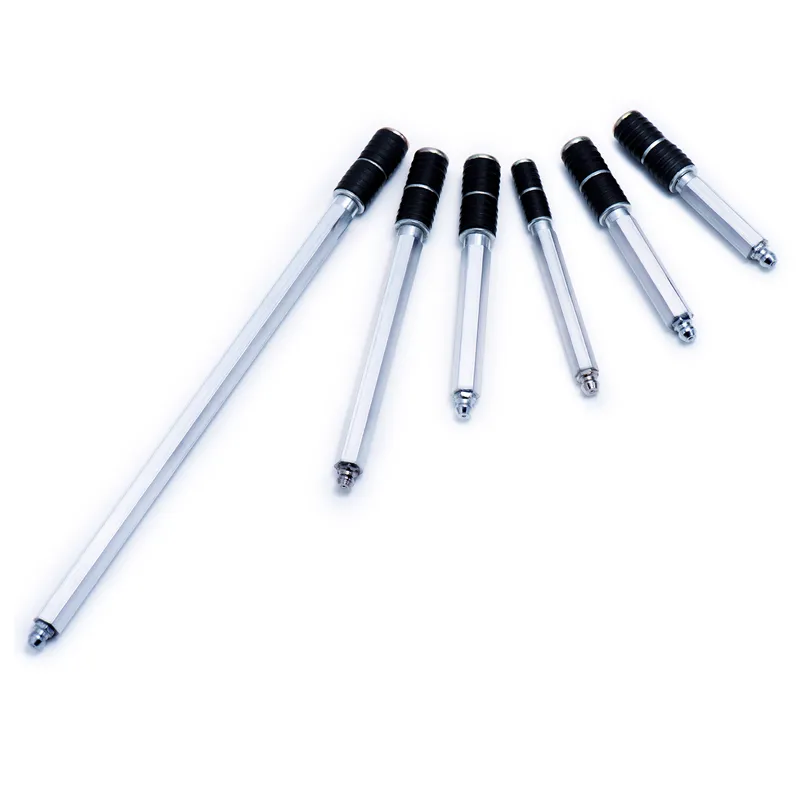
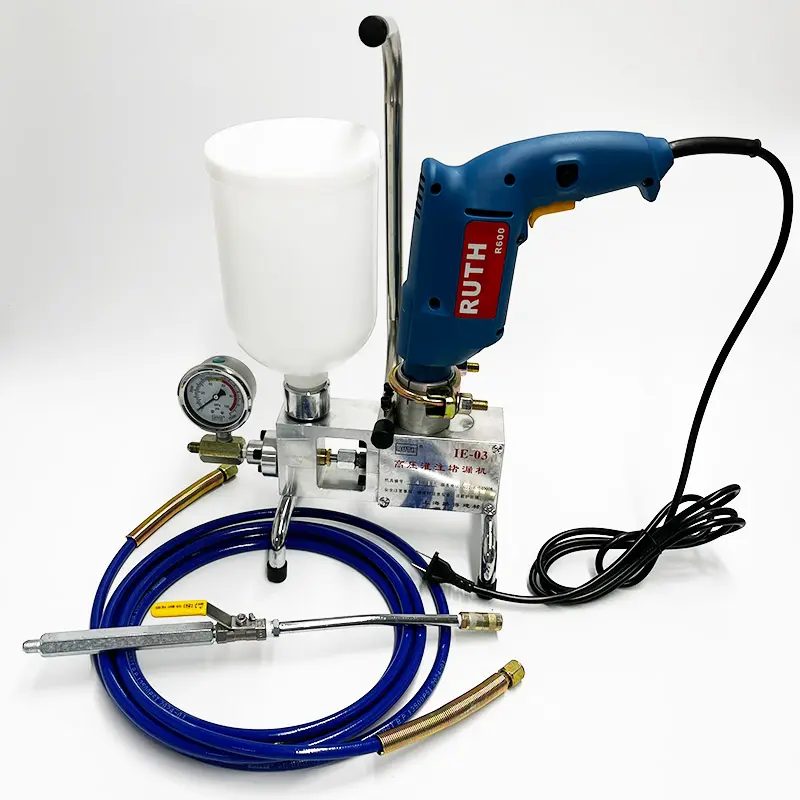
Epoxy for wall cracks represents a revolutionary solution in structural repair technology, designed to address various types of wall damage with exceptional precision and durability. This specialized epoxy formulation penetrates deep into crack formations, creating a permanent bond that restores structural integrity while preventing future deterioration. The advanced polymer chemistry of epoxy for wall cracks ensures superior adhesion to concrete, masonry, drywall, and other common wall materials, making it an essential tool for both professional contractors and homeowners seeking reliable repair solutions. The main functions of this innovative product extend beyond simple crack filling, encompassing moisture barrier protection, thermal expansion accommodation, and load distribution enhancement. Technologically, epoxy for wall cracks features low viscosity properties that allow penetration into hairline fractures as narrow as 0.001 inches, while maintaining sufficient body to fill larger structural gaps effectively. The two-part formulation activates upon mixing, initiating a chemical curing process that creates cross-linked polymer chains stronger than the original substrate material. Temperature resistance ranges from -40°F to 180°F, ensuring performance stability across diverse environmental conditions. Applications span residential foundation repairs, commercial building maintenance, infrastructure rehabilitation, and historical structure preservation. The versatility of epoxy for wall cracks makes it suitable for basement waterproofing projects, garage floor crack repairs, exterior wall maintenance, and interior cosmetic restoration work. Professional engineers rely on this technology for critical structural repairs in bridges, tunnels, and high-rise buildings, while homeowners appreciate its user-friendly application process for DIY projects. The cured epoxy creates an impermeable seal that prevents water infiltration, pest intrusion, and thermal energy loss, contributing to improved building performance and reduced maintenance costs over time.

 EN
EN