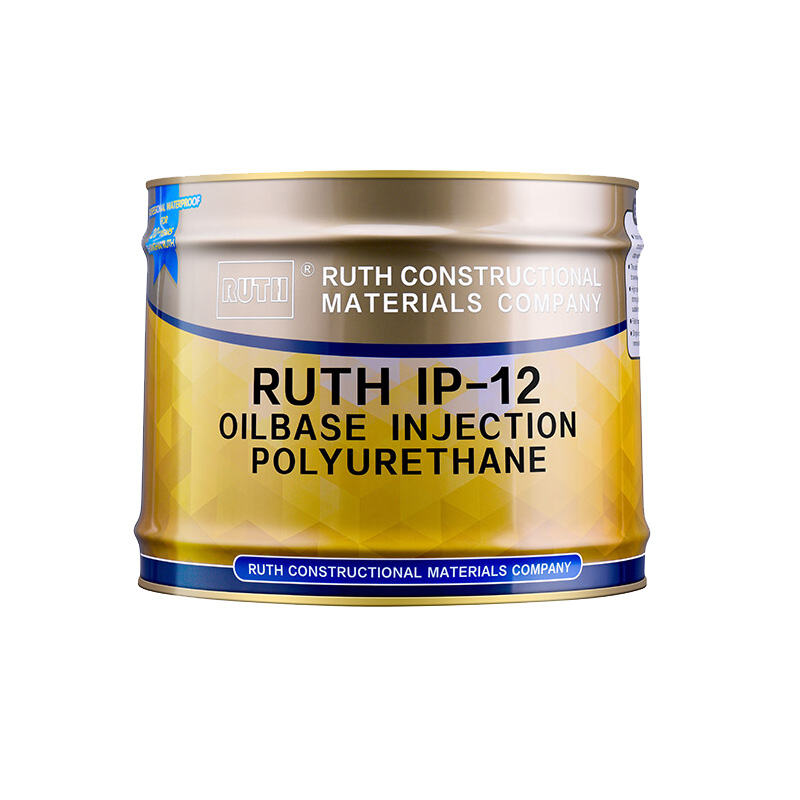
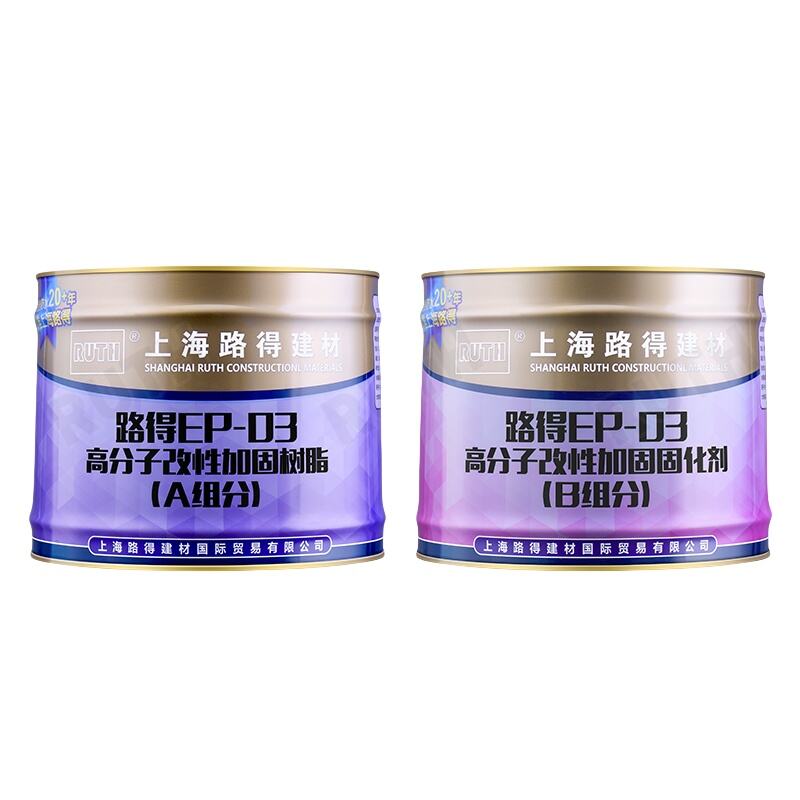
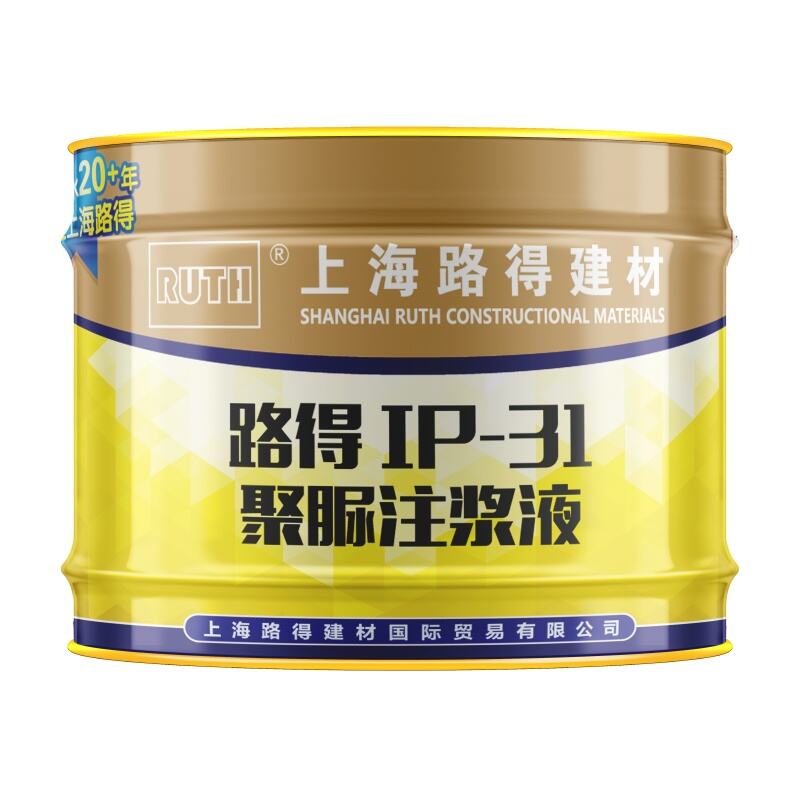
epoxy injections for structural cracks
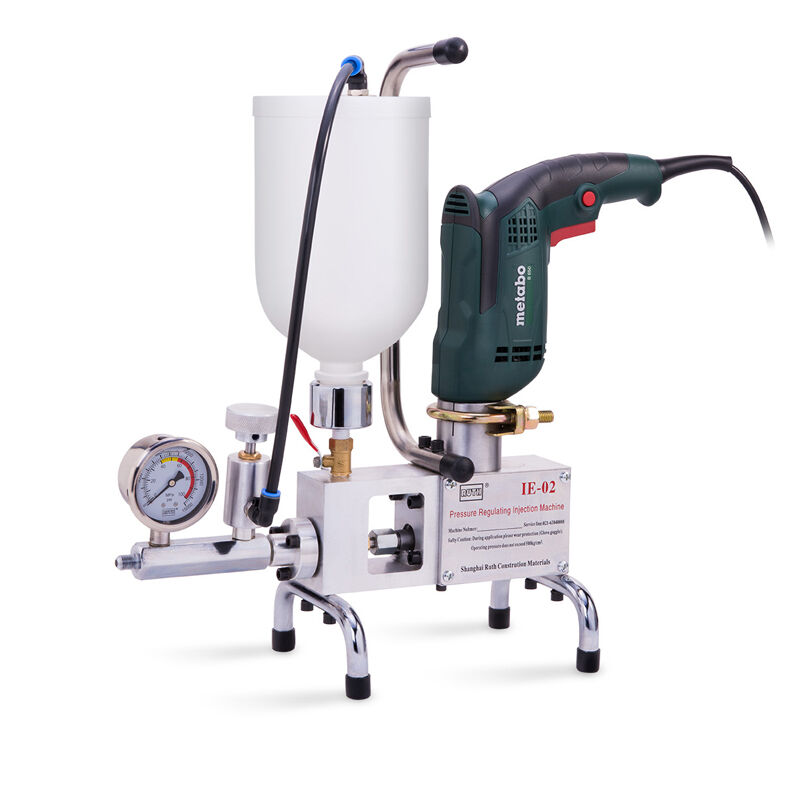
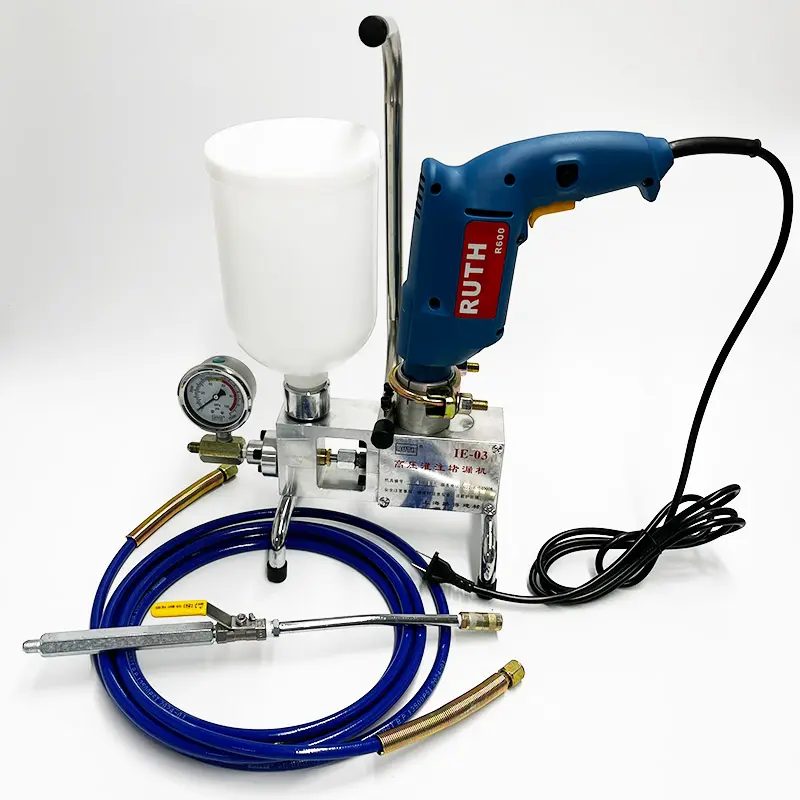
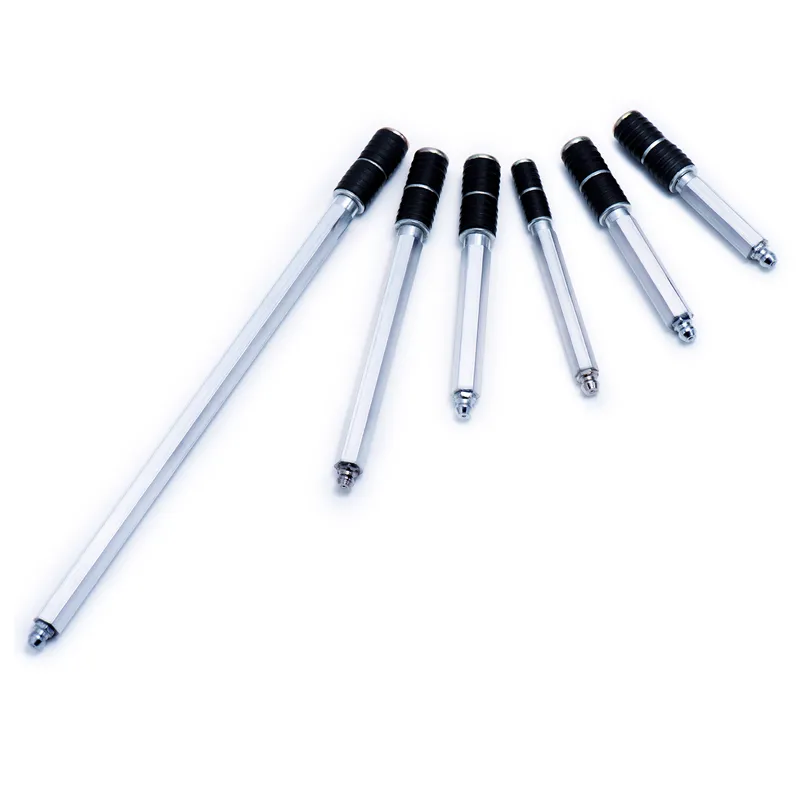
Epoxy injections for structural cracks represent a cutting-edge solution for repairing and reinforcing damaged concrete, masonry, and other structural materials. This advanced repair technique involves the precise injection of specialized epoxy resins into cracks and voids within structural elements to restore their integrity and load-bearing capacity. The main function of epoxy injections for structural cracks centers on penetrating deep into damaged areas where traditional repair methods cannot reach effectively. The technology works by filling microscopic fissures and larger structural gaps with high-strength polymer materials that bond permanently with the host structure. These epoxy formulations are specifically engineered to match or exceed the mechanical properties of the original construction material, ensuring seamless integration and long-term performance. The technological features of epoxy injections for structural cracks include low viscosity formulations that allow complete penetration into hairline fractures as small as 0.05mm wide, rapid curing systems that minimize downtime, and chemical resistance properties that protect against environmental degradation. Advanced injection equipment utilizes precise pressure control systems to ensure optimal resin distribution throughout the crack network without causing additional structural stress. Applications for epoxy injections for structural cracks span numerous industries and structure types, including bridge repair, building foundation stabilization, tunnel maintenance, parking garage restoration, and industrial facility rehabilitation. The versatility of this repair method makes it suitable for both emergency repairs and preventive maintenance programs. In marine environments, epoxy injections for structural cracks provide exceptional performance against salt water exposure and freeze-thaw cycles. The technology proves particularly valuable in seismic zones where structures experience repeated stress cycles that can propagate existing cracks or create new fractures over time.

 EN
EN