Versatile Application and Installation Benefits
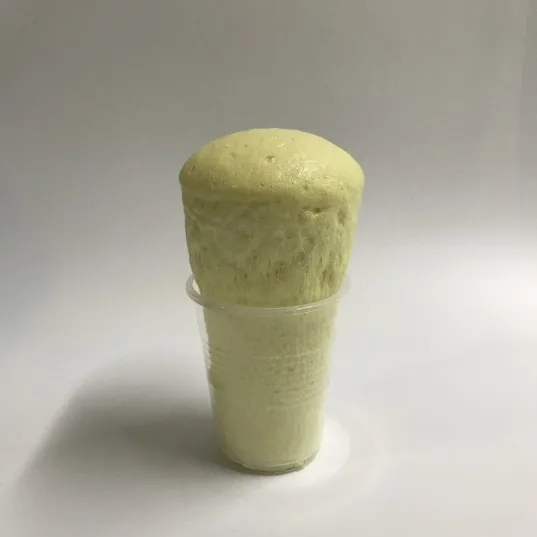
The remarkable versatility of hydrophobic polyurethane foam makes it an ideal solution for diverse applications ranging from residential construction to specialized industrial installations, offering contractors and property owners unmatched flexibility in addressing complex insulation challenges. This advanced material can be applied using multiple installation methods including spray application, injection techniques, and pour-in-place procedures, accommodating various project requirements and site conditions that would limit other insulation options. The foam expands controllably to fill irregular cavities, gaps, and voids completely, creating seamless thermal barriers in challenging spaces such as rim joists, around penetrations, and in retrofit applications where access is limited. Contractors appreciate the rapid curing properties that allow for efficient project completion while ensuring proper adhesion to multiple substrate materials including concrete, steel, wood, masonry, and composite surfaces without requiring primers or surface preparation beyond basic cleaning. The self-leveling characteristics of hydrophobic polyurethane foam enable effective installation on sloped surfaces and overhead applications where gravity-dependent materials would be impractical, expanding the range of suitable applications significantly. Temperature tolerance during installation allows for year-round application in most climate conditions, providing scheduling flexibility that improves project efficiency and reduces weather-related delays common with alternative insulation systems. The material demonstrates exceptional compatibility with building membranes, vapor barriers, and other envelope components, creating integrated systems that enhance overall building performance without compatibility concerns or installation conflicts. Quality control benefits include consistent density distribution and predictable expansion ratios that ensure uniform performance characteristics across large installations, reducing the risk of thermal variations that compromise system effectiveness. The foam can be easily trimmed, shaped, and modified after curing to accommodate system changes or additional penetrations, providing long-term adaptability that protects initial investment value. Environmental application benefits include effective performance in both new construction and retrofit scenarios, making hydrophobic polyurethane foam suitable for energy efficiency upgrades that improve existing building performance while meeting modern thermal standards and sustainability requirements.

 EN
EN