epoxy injection packers
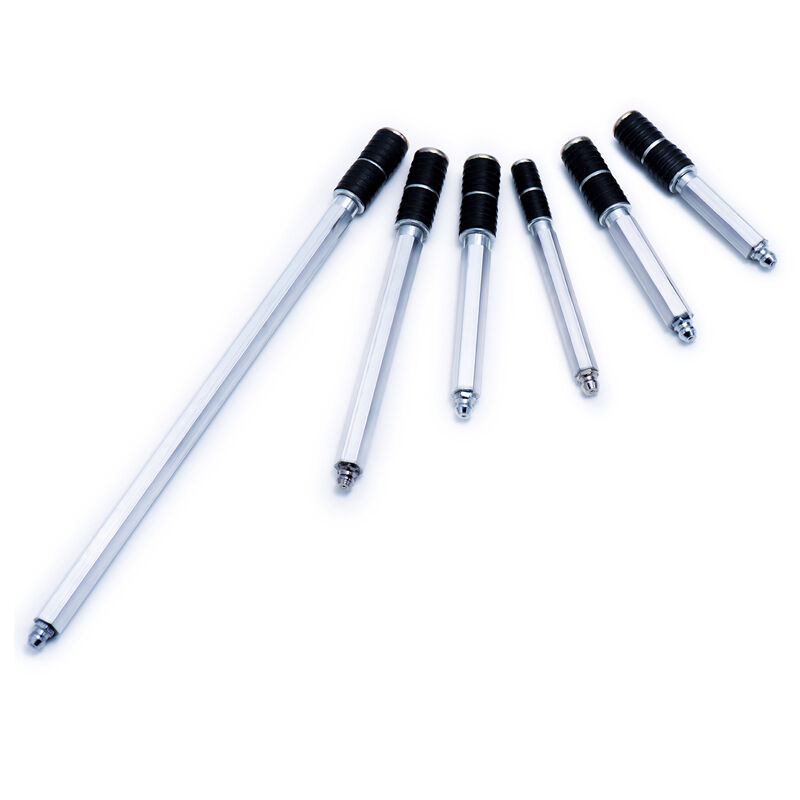
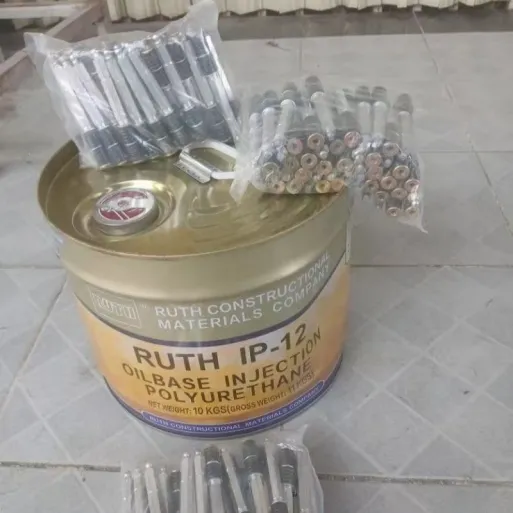
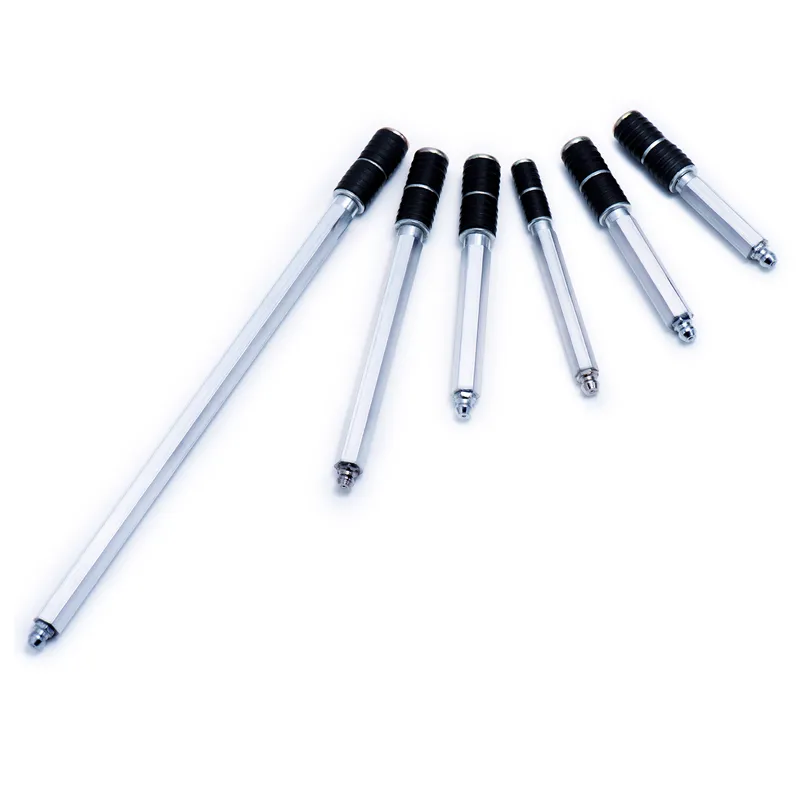
Epoxy injection packers represent a critical component in modern structural repair and waterproofing applications, serving as specialized devices designed to deliver epoxy resins precisely into concrete cracks, joints, and voids. These innovative tools function as permanent or temporary sealing mechanisms that facilitate the controlled injection of repair materials into damaged structures. The primary function of epoxy injection packers involves creating a secure pathway for epoxy materials to penetrate deep into structural defects, ensuring comprehensive repair coverage and long-lasting restoration results. Technological features of epoxy injection packers include precision-engineered valve systems that control flow rates, durable construction materials resistant to chemical reactions, and versatile mounting options suitable for various surface orientations. Advanced models incorporate pressure-resistant seals, adjustable injection angles, and quick-connect fittings that streamline installation processes. The design typically features a threaded body that anchors securely into drilled holes, creating an airtight seal that prevents material leakage during injection procedures. Applications for epoxy injection packers span numerous industries, including construction, infrastructure maintenance, marine engineering, and industrial facility management. These devices prove essential in concrete crack repair, structural strengthening projects, waterproofing applications, and foundation stabilization work. Construction professionals utilize epoxy injection packers for bridge rehabilitation, tunnel maintenance, parking garage repairs, and building foundation treatments. The versatility of these tools makes them indispensable for both preventive maintenance and emergency repair scenarios. Quality epoxy injection packers accommodate various epoxy formulations, from low-viscosity penetrating sealants to high-strength structural adhesives, providing flexibility across diverse project requirements. Professional contractors rely on these devices to achieve consistent results in challenging repair environments, ensuring structural integrity and extending service life of critical infrastructure components.

 EN
EN