Professional Injection Grouting in Concrete Services - Structural Repair & Waterproofing Solutions

Get a Free Quote

Email
Name
Company Name
Message
0/1000

injection grouting in concrete

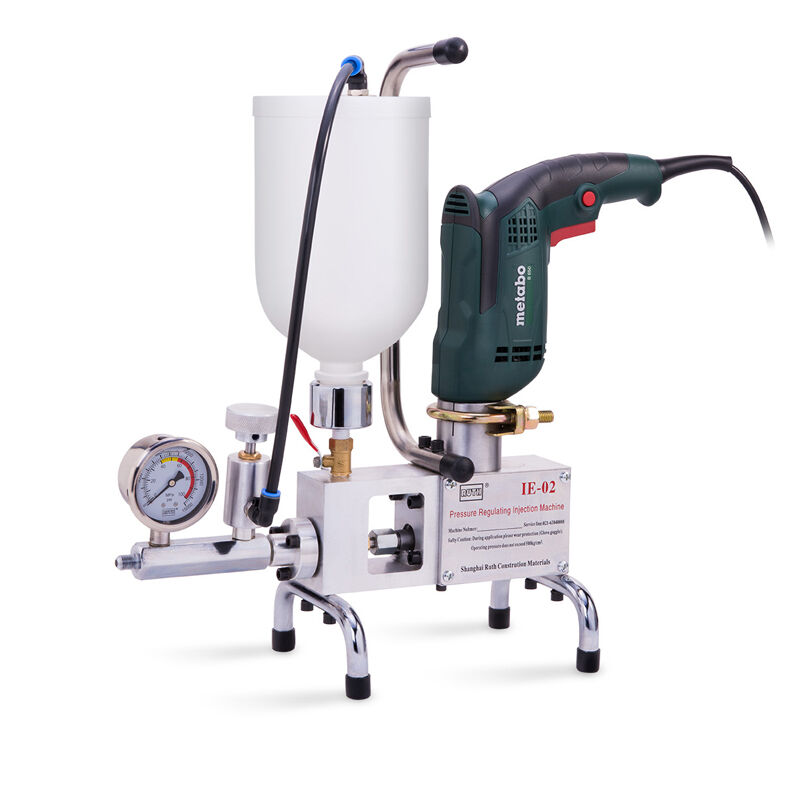
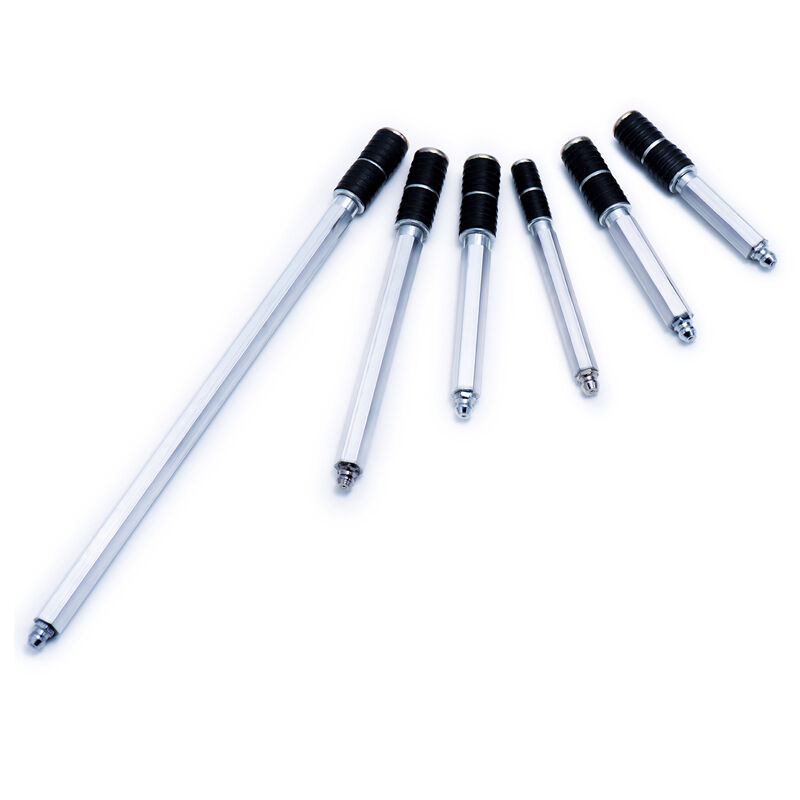
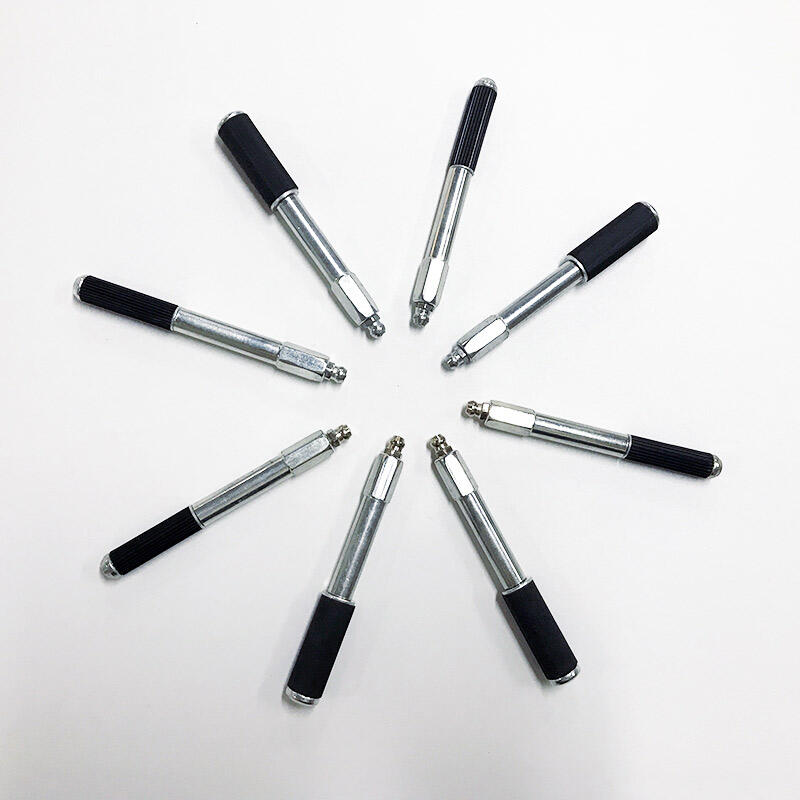
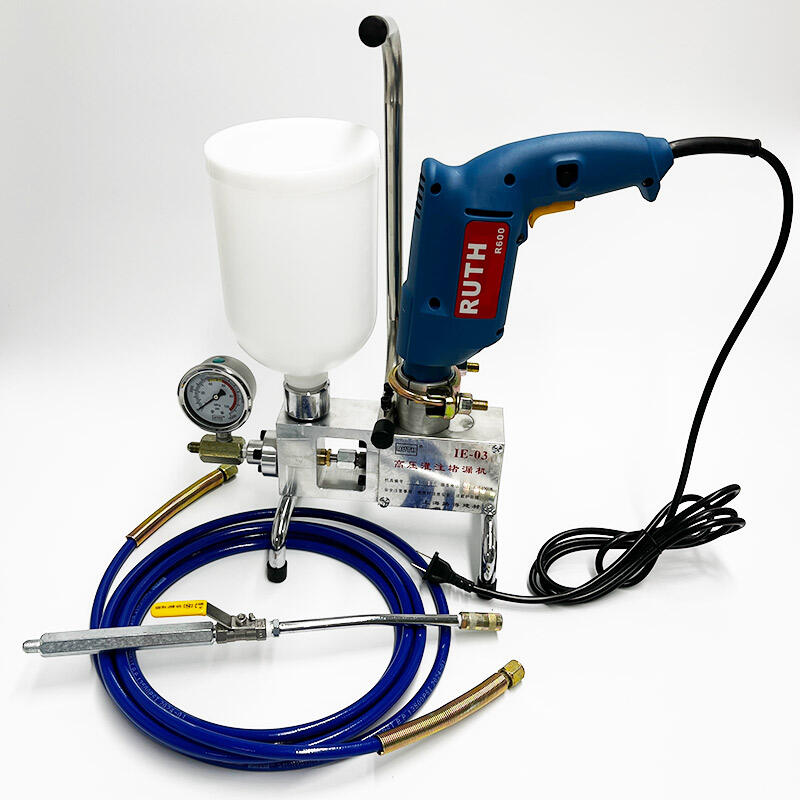
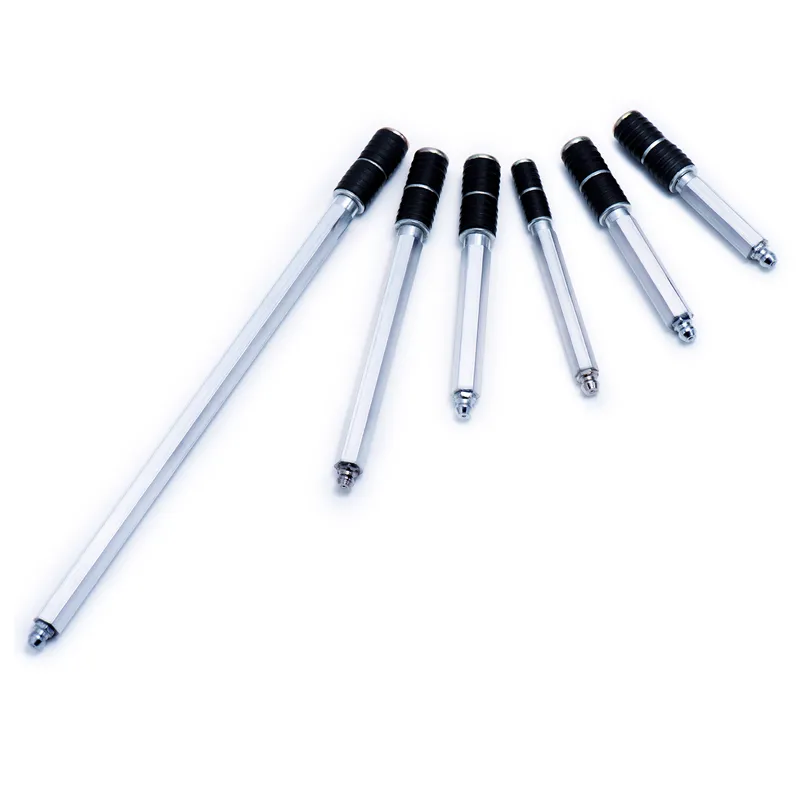
Injection grouting in concrete represents a specialized construction technique designed to strengthen, repair, and enhance concrete structures through the precise introduction of grout materials into voids, cracks, or predetermined spaces. This method serves multiple critical functions in construction and rehabilitation projects, making it an essential solution for maintaining structural integrity and extending the lifespan of concrete installations. The primary functions of injection grouting in concrete include filling structural voids, sealing water infiltration pathways, strengthening weakened areas, and providing additional load-bearing capacity to existing structures. The technological features of injection grouting in concrete encompass advanced pressure-controlled systems, specialized grout formulations, and precise delivery mechanisms that ensure optimal material distribution throughout target areas. Modern injection grouting in concrete utilizes sophisticated equipment capable of maintaining consistent pressure levels while accommodating various grout viscosities and setting times. The process typically involves drilling strategic access points, installing injection ports, and systematically introducing grout materials under controlled pressure conditions. Applications of injection grouting in concrete span across numerous construction sectors, including foundation stabilization, tunnel lining reinforcement, dam rehabilitation, bridge deck restoration, and underground utility protection. The technique proves particularly valuable in situations where traditional concrete repair methods cannot effectively address structural deficiencies or access limitations. Industrial facilities frequently employ injection grouting in concrete for machinery foundation anchoring, while residential projects benefit from its effectiveness in basement waterproofing and foundation crack repair. The versatility of injection grouting in concrete allows for customized solutions that address specific structural challenges, environmental conditions, and performance requirements. This adaptability makes it suitable for both preventive maintenance programs and emergency repair situations, ensuring optimal structural performance across diverse application scenarios.


New Product Releases

Injection grouting in concrete delivers numerous practical benefits that make it the preferred choice for construction professionals and property owners seeking reliable structural solutions. The technique provides exceptional cost-effectiveness compared to complete concrete replacement, allowing clients to achieve significant savings while maintaining structural integrity and performance standards. Projects utilizing injection grouting in concrete typically require minimal excavation and disruption, reducing labor costs, equipment expenses, and project timelines substantially. The precision application method ensures materials reach targeted areas without waste, maximizing material efficiency and minimizing environmental impact. Speed of application represents another major advantage of injection grouting in concrete, as most projects can be completed within shorter timeframes compared to traditional repair methods. The rapid curing properties of modern grout formulations allow structures to return to service quickly, minimizing downtime and associated revenue losses for commercial properties. Durability stands as a cornerstone benefit of injection grouting in concrete, with properly executed applications providing decades of reliable performance under various environmental conditions. The injected materials form permanent bonds with existing concrete, creating monolithic structures that resist future deterioration and maintain load-bearing capabilities. Versatility in application makes injection grouting in concrete suitable for addressing multiple structural issues simultaneously, from crack sealing to void filling and reinforcement enhancement. The technique adapts to various concrete types, ages, and conditions, ensuring consistent results across diverse project requirements. Quality control advantages include real-time monitoring capabilities that verify material placement and pressure levels throughout the injection process. This monitoring ensures complete void filling and optimal material distribution, reducing the likelihood of future problems and warranty claims. Environmental benefits of injection grouting in concrete include reduced material consumption, minimized construction waste, and lower carbon footprint compared to replacement strategies. The technique preserves existing concrete resources while extending structural lifespans, contributing to sustainable construction practices and resource conservation efforts.

Latest News

How Does Polyurethane Injection Adapt to Different Leak Conditions?

02

Feb

How Does Polyurethane Injection Adapt to Different Leak Conditions?

Water intrusion and structural leaks present persistent challenges across construction, infrastructure, and industrial sectors. Traditional repair methods often fall short when addressing complex leak scenarios, particularly in challenging environmen...
View More
How Does Hydrophobic Polyurethane Prevent Water Penetration After Curing?

13

Feb

How Does Hydrophobic Polyurethane Prevent Water Penetration After Curing?

Construction and industrial applications face constant challenges from water infiltration, making waterproofing solutions critical for structural integrity and longevity. Hydrophobic polyurethane has emerged as a revolutionary material that transform...
View More
How Does Hydrophobic Polyurethane Maintain Stability in Dry Crack Sealing?

02

Mar

How Does Hydrophobic Polyurethane Maintain Stability in Dry Crack Sealing?

The construction industry has witnessed remarkable advancements in sealing technologies, with hydrophobic polyurethane emerging as a revolutionary solution for crack repair and waterproofing applications. This innovative material combines the excepti...
View More
How Does Hydrophobic Polyurethane Perform Compared to Hydrophilic Systems?

20

Mar

How Does Hydrophobic Polyurethane Perform Compared to Hydrophilic Systems?

Understanding the performance differences between hydrophobic polyurethane and hydrophilic systems is crucial for engineers, contractors, and facility managers making informed decisions about waterproofing and sealing solutions. While both systems of...
View More

Get a Free Quote

Email
Name
Company Name
Message
0/1000

injection grouting in concrete

Advanced Pressure Control Technology for Optimal Material Distribution

Advanced Pressure Control Technology for Optimal Material Distribution

The advanced pressure control technology employed in injection grouting in concrete systems represents a revolutionary approach to achieving uniform material distribution and superior structural reinforcement. This sophisticated technology utilizes computer-controlled pressure regulation systems that automatically adjust injection parameters based on real-time feedback from pressure sensors and flow meters positioned throughout the injection network. The precision control capabilities ensure that grout materials reach every void and crack within the target area, eliminating air pockets and achieving complete consolidation of the repair zone. Modern injection grouting in concrete equipment features variable pressure settings that accommodate different grout formulations, ranging from low-viscosity chemical grouts to high-strength cement-based materials. The technology incorporates safety mechanisms that prevent over-pressurization, which could potentially damage existing concrete structures or create new cracks in adjacent areas. Automated monitoring systems continuously track injection pressures, flow rates, and material consumption, providing operators with detailed documentation of the grouting process for quality assurance and compliance purposes. The advanced pressure control technology enables sequential injection protocols that systematically address multiple injection points while maintaining optimal pressure gradients throughout the structure. This methodical approach ensures complete void filling and prevents material bypass that could compromise the effectiveness of the injection grouting in concrete application. The technology also accommodates varying concrete permeabilities and structural conditions, automatically adjusting injection parameters to achieve optimal penetration and consolidation. Operators benefit from user-friendly control interfaces that display real-time injection data, allowing for immediate adjustments and ensuring consistent application quality across large-scale projects. The precision control capabilities extend to injection timing and material mixing, ensuring proper chemical reactions and curing processes that maximize the long-term performance of injection grouting in concrete applications.
Exceptional Structural Integration and Long-Term Performance

Exceptional Structural Integration and Long-Term Performance

The exceptional structural integration achieved through injection grouting in concrete creates permanent, monolithic connections between new grout materials and existing concrete elements, delivering unparalleled long-term performance and structural reliability. This integration process occurs at the molecular level, where specially formulated grout materials chemically bond with the existing concrete matrix, creating seamless transitions that eliminate weak interfaces and potential failure points. The superior bonding characteristics of modern injection grouting in concrete materials ensure that repaired sections perform as integral components of the original structure, maintaining load transfer capabilities and structural continuity under various loading conditions. Advanced polymer-modified grout formulations enhance the integration process by improving adhesion properties and providing flexibility that accommodates thermal expansion and structural movement without compromising bond integrity. The long-term performance benefits of injection grouting in concrete include resistance to environmental degradation, chemical attack, and freeze-thaw cycling that commonly affect concrete structures. Properly executed injection grouting in concrete applications demonstrate remarkable durability, with many installations providing decades of maintenance-free service under harsh operating conditions. The structural integration extends beyond mere void filling to include load redistribution capabilities that can actually improve the overall performance of existing concrete elements. This enhancement occurs through the introduction of high-strength grout materials that possess superior mechanical properties compared to the original concrete, effectively upgrading the structural capacity of repaired areas. Quality assurance testing confirms that injection grouting in concrete applications maintain their structural properties over extended periods, with minimal degradation even under cyclic loading and environmental exposure. The integration process also provides excellent fatigue resistance, making it particularly suitable for structures subjected to repeated loading cycles such as bridges, industrial floors, and machinery foundations. Long-term monitoring of injection grouting in concrete installations reveals consistent performance characteristics that often exceed original design specifications, demonstrating the effectiveness of this repair technology for critical structural applications.
Comprehensive Waterproofing and Environmental Protection Capabilities

Comprehensive Waterproofing and Environmental Protection Capabilities

The comprehensive waterproofing and environmental protection capabilities of injection grouting in concrete provide multi-layered defense systems that effectively eliminate water infiltration while protecting structures from various environmental threats and chemical exposure. This advanced protection system works by creating continuous, impermeable barriers that seal crack networks, construction joints, and porous concrete zones that would otherwise allow moisture penetration and subsequent deterioration. Modern injection grouting in concrete utilizes hydrophobic and hydrophilic grout formulations that react with water to form expanding seals, ensuring complete closure of even the smallest fissures and providing redundant protection against future water intrusion. The waterproofing effectiveness extends beyond surface-level protection to include deep penetration sealing that addresses the root causes of water infiltration, preventing recurring problems and reducing long-term maintenance requirements. Chemical resistance properties of specialized injection grouting in concrete materials provide protection against aggressive substances commonly encountered in industrial environments, including acids, alkalis, salts, and organic compounds that can cause significant concrete degradation over time. The environmental protection capabilities include freeze-thaw resistance that prevents ice formation within concrete pores and cracks, eliminating the expansive forces that cause progressive deterioration in cold climates. Vapor barrier properties of certain injection grouting in concrete formulations prevent moisture migration through concrete elements, protecting reinforcing steel from corrosion and maintaining structural integrity over extended periods. The comprehensive protection system also addresses carbonation penetration, which causes concrete alkalinity reduction and accelerates reinforcement corrosion in urban environments with high carbon dioxide concentrations. Advanced injection grouting in concrete applications incorporate corrosion inhibitors that provide additional protection for embedded reinforcement while maintaining the concrete's structural and protective properties. The multi-functional protection capabilities extend to biological resistance, preventing algae, bacteria, and fungal growth that can compromise concrete surfaces and create unsightly staining problems. These comprehensive protection features make injection grouting in concrete particularly valuable for critical infrastructure applications where long-term environmental resistance is essential for public safety and economic considerations.

Get a Free Quote

Email
Name
Company Name
Message
0/1000
Newsletter
Please Leave A Message With Us