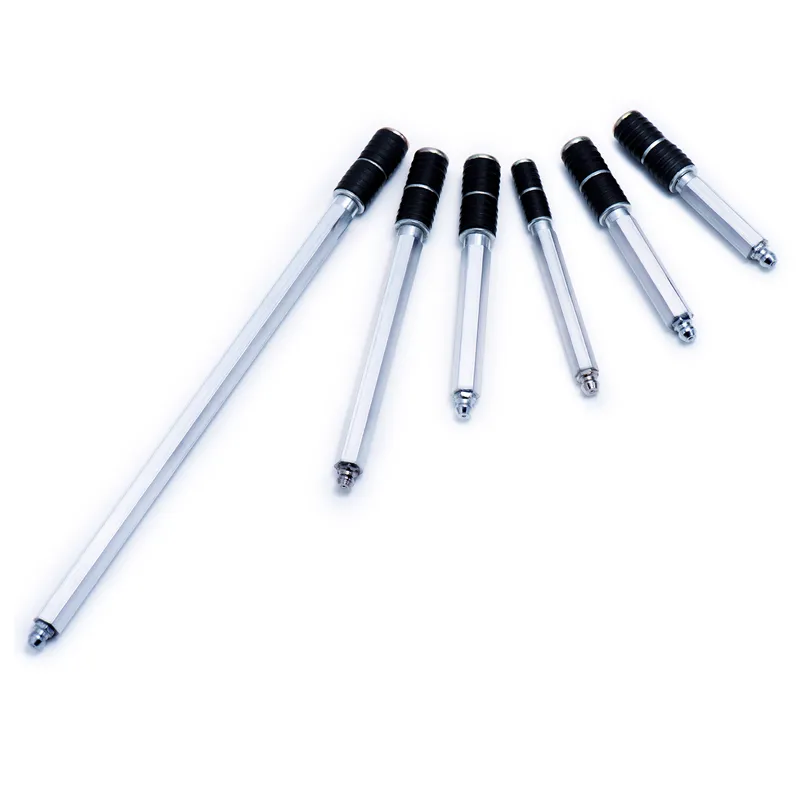
chemical grout injection cost
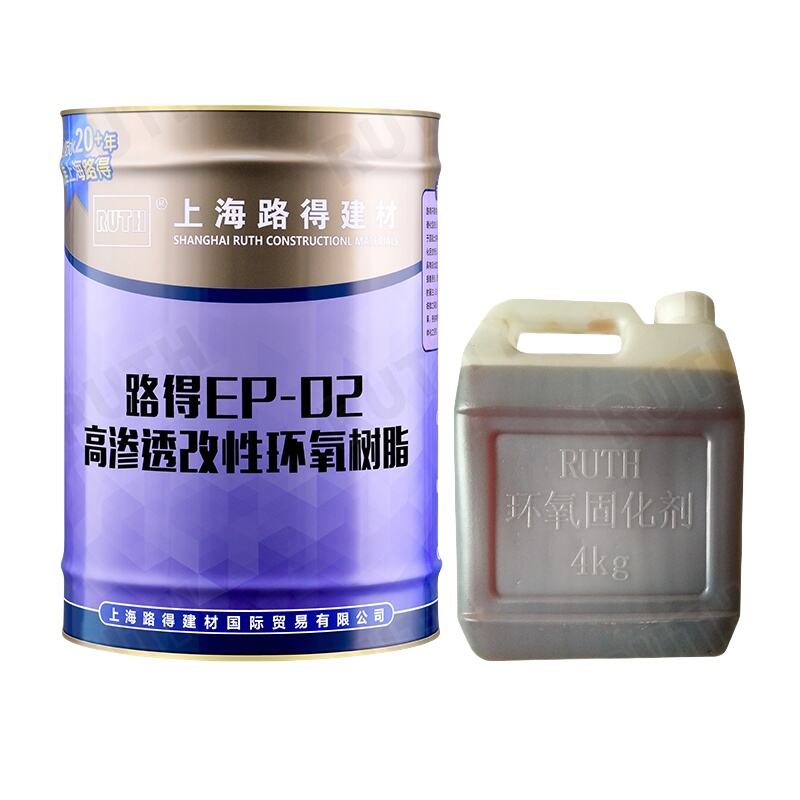
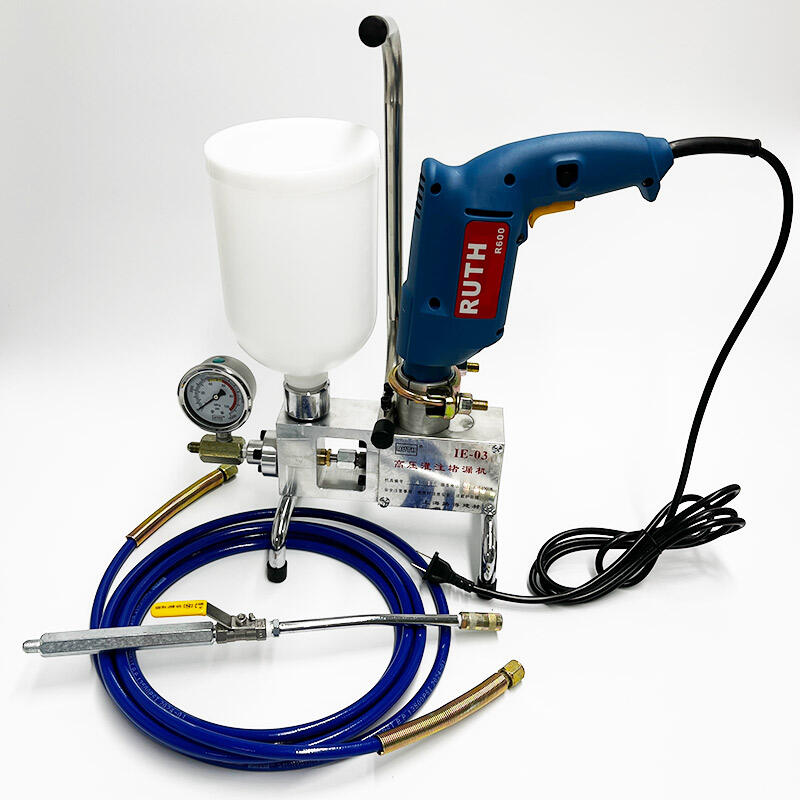
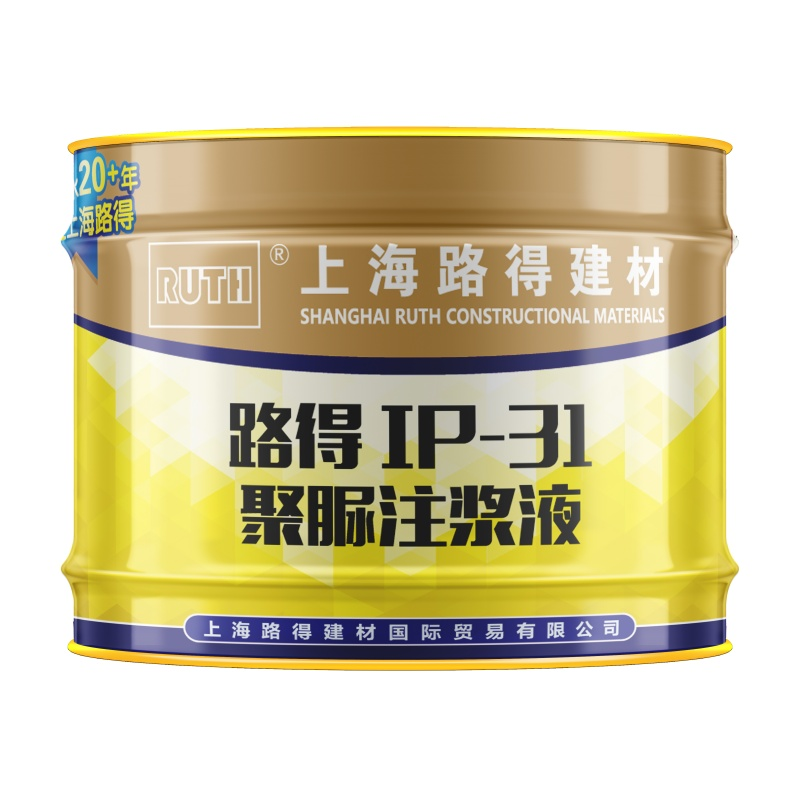
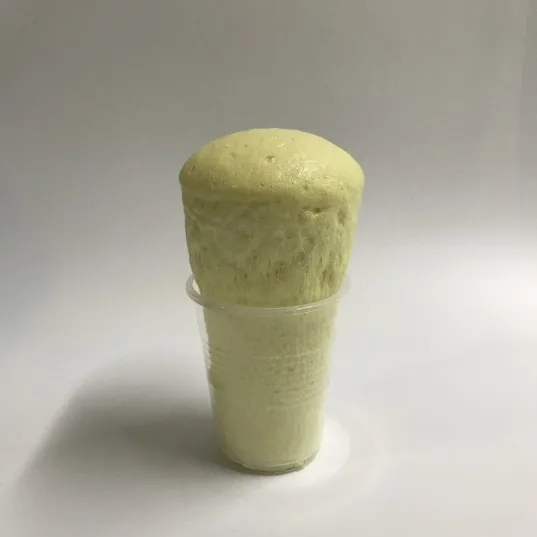
Chemical grout injection cost represents a critical investment consideration for property owners and construction professionals facing foundation stability, waterproofing, and soil stabilization challenges. This specialized technology involves injecting chemical solutions into soil, concrete, or structural materials to create barriers, fill voids, and strengthen foundations. The chemical grout injection cost varies significantly based on project scope, material requirements, accessibility factors, and regional labor rates. Understanding these cost dynamics helps stakeholders make informed decisions about implementing this proven remediation technology. The primary functions of chemical grout injection include soil stabilization, water infiltration prevention, structural void filling, and foundation underpinning. These applications address diverse construction and maintenance challenges across residential, commercial, and industrial sectors. The technology features precise injection mechanisms that deliver polyurethane, epoxy, or acrylic-based solutions through specialized equipment. Advanced monitoring systems ensure optimal pressure control and material distribution throughout the treatment area. Chemical grout injection cost encompasses material expenses, labor charges, equipment rental fees, and project management overhead. Material costs fluctuate based on grout type selection, with polyurethane formulations typically commanding premium pricing due to superior expansion properties and longevity. Labor expenses reflect specialized technician requirements and project complexity levels. Equipment costs include injection pump rentals, monitoring devices, and safety equipment necessary for proper installation. The applications span foundation crack repair, basement waterproofing, tunnel sealing, dam rehabilitation, and mining consolidation projects. Each application presents unique chemical grout injection cost considerations influenced by environmental conditions, accessibility constraints, and performance specifications. Proper cost evaluation requires comprehensive site assessment, material selection optimization, and qualified contractor engagement to ensure successful project outcomes while maintaining budget parameters.

 EN
EN