polyurethane foam concrete repair
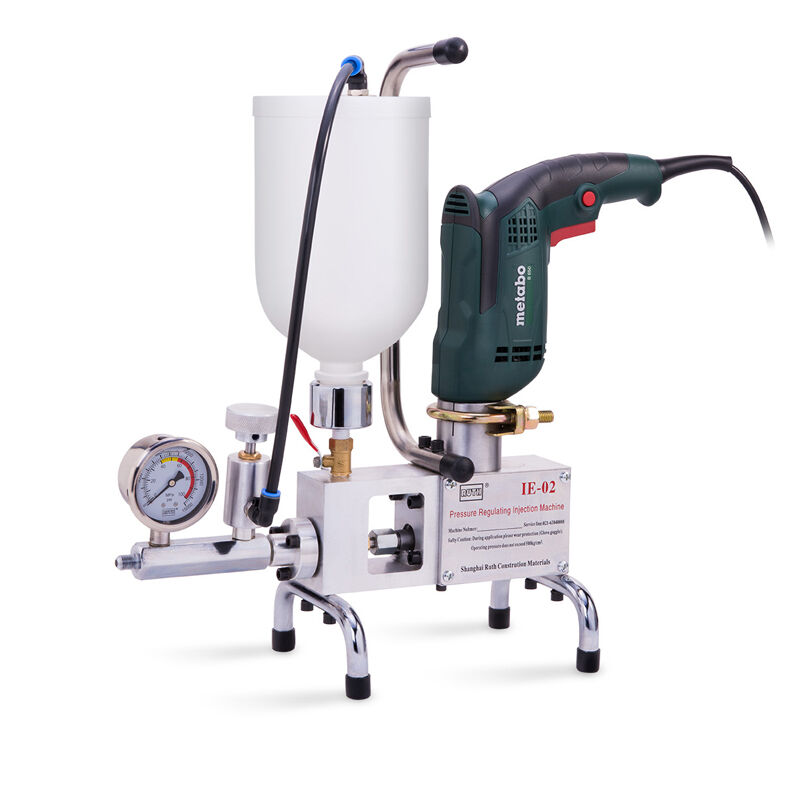
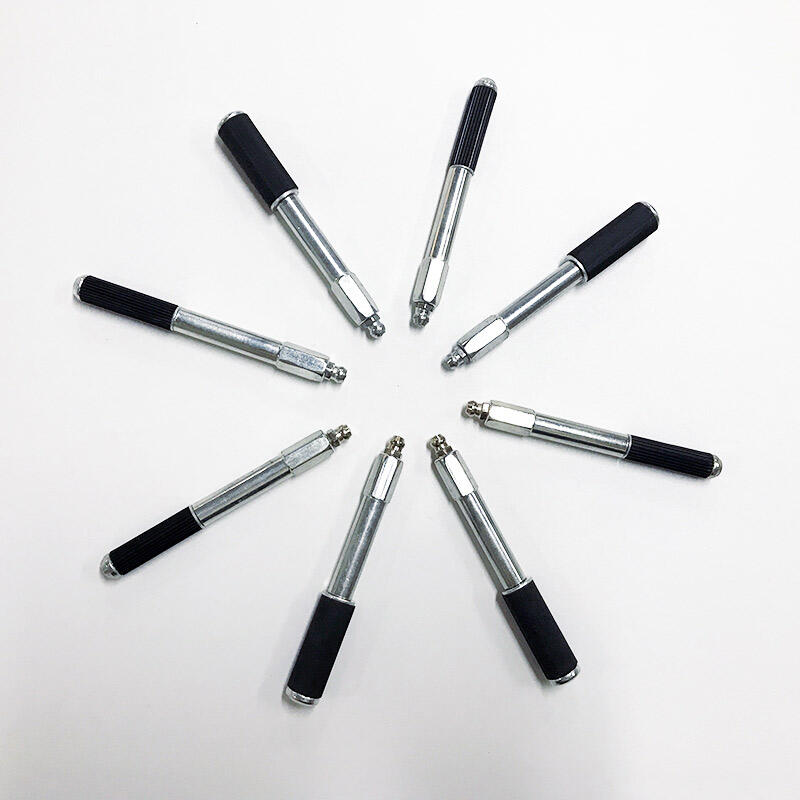
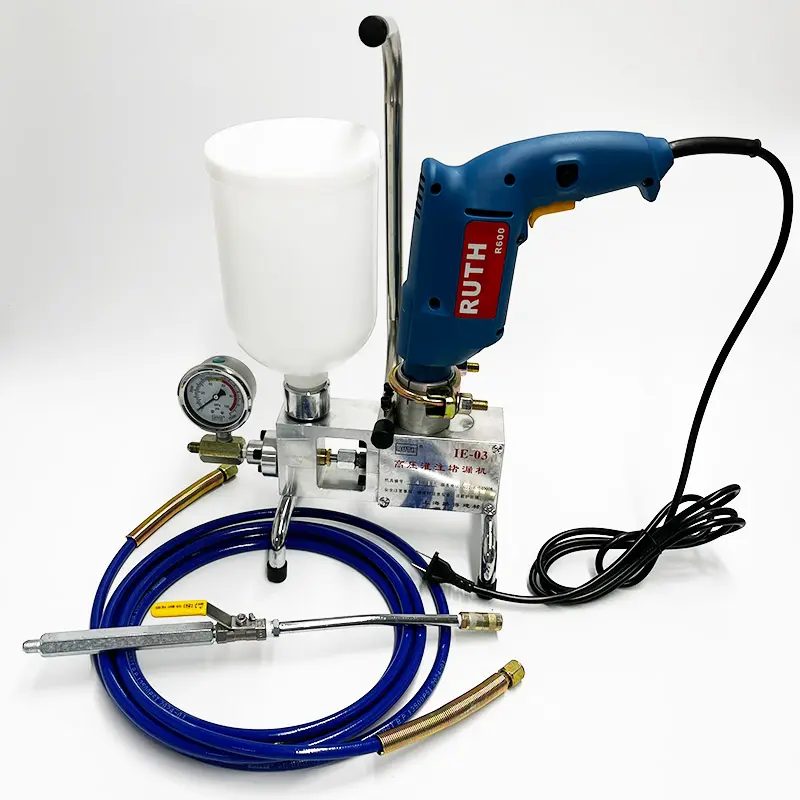
Polyurethane foam concrete repair represents a revolutionary advancement in structural rehabilitation technology, offering an innovative solution for addressing concrete settlement, voids, and stability issues. This cutting-edge method involves the precise injection of expanding polyurethane foam beneath concrete slabs, creating a durable foundation that restores structural integrity and prevents future deterioration. The polyurethane foam concrete repair process utilizes specialized equipment to deliver high-density foam through small injection ports, eliminating the need for extensive excavation or complete slab replacement. The expanding foam fills voids, compacts loose soil, and provides immediate load-bearing support, making it an ideal choice for residential, commercial, and industrial applications. The technology behind polyurethane foam concrete repair centers on chemical reaction principles, where two-component polyurethane materials combine to create a lightweight yet incredibly strong foam that expands to fill cavities and stabilize weak subsoils. This method proves particularly effective for repairing driveways, sidewalks, warehouse floors, airport runways, and foundation slabs that have experienced settling or sinking. The polyurethane foam concrete repair system offers superior performance compared to traditional mudjacking techniques, providing longer-lasting results with minimal disruption to surrounding areas. The foam material demonstrates excellent resistance to water infiltration, freeze-thaw cycles, and chemical exposure, ensuring the repair maintains its effectiveness over extended periods. Professional contractors can complete most polyurethane foam concrete repair projects within hours rather than days, allowing property owners to resume normal activities quickly. The precision application process ensures accurate foam placement, targeting specific problem areas while preserving the integrity of surrounding concrete structures. This innovative repair method has gained widespread acceptance among engineers, contractors, and property managers due to its proven effectiveness, cost efficiency, and environmental benefits compared to conventional concrete replacement methods.

 EN
EN