Professional Poly Injection Services - Advanced Concrete Lifting Solutions

Get a Free Quote

Email
Name
Company Name
Message
0/1000

poly injection

Poly injection represents a revolutionary concrete lifting and stabilization technique that has transformed the construction and repair industry. This advanced method involves injecting high-density polyurethane foam beneath concrete slabs to restore them to their original position and provide long-lasting structural support. The poly injection process begins with drilling small holes through the affected concrete surface, typically measuring only 5/8 inch in diameter. Through these strategically placed access points, specialized equipment delivers expanding polyurethane material that fills voids, compacts loose soil, and generates sufficient lifting force to raise sunken concrete. The technological backbone of poly injection relies on two-component polyurethane systems that react chemically when mixed, creating a lightweight yet incredibly strong foam with compressive strengths exceeding 100 pounds per square inch. This foam expands rapidly, seeking out air pockets and weak soil areas while simultaneously lifting the concrete slab above. Modern poly injection equipment features precise monitoring systems that allow operators to control injection pressure, foam expansion rates, and lifting speeds with remarkable accuracy. The applications for poly injection span numerous sectors including residential driveways, commercial parking lots, airport runways, warehouse floors, sidewalks, pool decks, and industrial facilities. Municipal infrastructure projects frequently utilize poly injection for roadway repairs, bridge approaches, and utility access areas where traditional concrete replacement would disrupt traffic flow. The method proves particularly valuable in addressing settlement issues caused by soil erosion, poor compaction, water infiltration, and natural settling processes. Unlike conventional concrete replacement methods that require extensive excavation, heavy machinery, and weeks of curing time, poly injection provides immediate results with minimal site disruption. The process typically takes just hours to complete, allowing treated surfaces to bear full loads within 30 minutes of application. Environmental considerations make poly injection increasingly attractive as it eliminates concrete waste destined for landfills while preserving existing materials through restoration rather than replacement.

Popular Products

The primary advantage of poly injection lies in its remarkable speed and efficiency compared to traditional concrete replacement methods. Property owners can expect their concrete surfaces to return to full functionality within hours rather than weeks, dramatically reducing downtime and inconvenience. This rapid turnaround proves especially beneficial for commercial properties where extended closures translate directly into lost revenue. The precision control offered by modern poly injection systems ensures accurate lifting without overshooting target elevations or causing damage to surrounding structures. Operators can raise concrete slabs incrementally, monitoring progress continuously to achieve perfect alignment with adjacent surfaces. Cost effectiveness represents another compelling advantage, as poly injection typically costs 50-70% less than complete concrete removal and replacement. This significant savings stems from reduced labor requirements, eliminated disposal fees, and the absence of new concrete material costs. The lightweight nature of polyurethane foam means it adds minimal load to underlying soils while providing maximum support strength. This characteristic makes poly injection ideal for areas with weak or unstable subsoils where additional weight could exacerbate existing problems. Durability stands as a crucial advantage, with properly installed poly injection systems lasting decades without degradation. The closed-cell structure of polyurethane foam resists water absorption, chemical attack, and biological decay, ensuring long-term performance even in harsh environmental conditions. Aesthetic preservation represents an often-overlooked benefit, as poly injection maintains the original concrete appearance without visible repair marks or color variations. The small injection holes can be easily patched and sealed, leaving surfaces that look completely undisturbed. Environmental responsibility makes poly injection increasingly important in sustainable construction practices. By extending the life of existing concrete rather than demolishing and replacing it, this method reduces carbon emissions associated with cement production and transportation. The process generates no construction debris, eliminates the need for heavy equipment operation, and preserves natural resources. Versatility allows poly injection to address various concrete problems including settling, void formation, erosion damage, and load-bearing deficiencies. Weather independence provides year-round application capability, as polyurethane materials cure effectively in temperatures ranging from freezing to extremely hot conditions. This flexibility enables contractors to maintain consistent project schedules regardless of seasonal variations.

Tips And Tricks

How Does Polyurethane Injection Adapt to Different Leak Conditions?

02

Feb

How Does Polyurethane Injection Adapt to Different Leak Conditions?

Water intrusion and structural leaks present persistent challenges across construction, infrastructure, and industrial sectors. Traditional repair methods often fall short when addressing complex leak scenarios, particularly in challenging environmen...
View More
How Does Hydrophobic Polyurethane Prevent Water Penetration After Curing?

13

Feb

How Does Hydrophobic Polyurethane Prevent Water Penetration After Curing?

Construction and industrial applications face constant challenges from water infiltration, making waterproofing solutions critical for structural integrity and longevity. Hydrophobic polyurethane has emerged as a revolutionary material that transform...
View More
How Do Large Projects Benefit from Hydrophobic Polyurethane Grouting?

16

Feb

How Do Large Projects Benefit from Hydrophobic Polyurethane Grouting?

Large-scale construction and infrastructure projects face numerous challenges when it comes to water infiltration and structural integrity. From underground tunnels and basements to industrial facilities and marine structures, preventing water damage...
View More
How Do Contractors Choose Hydrophilic Polyurethane for Wet Conditions?

25

Mar

How Do Contractors Choose Hydrophilic Polyurethane for Wet Conditions?

Waterproofing in wet conditions presents unique challenges that demand specialized solutions. When contractors face persistent moisture issues, concrete joints, and foundation leaks, selecting the right sealant becomes critical for project success. H...
View More

Get a Free Quote

Email
Name
Company Name
Message
0/1000

poly injection

Advanced Polyurethane Technology for Superior Performance

Advanced Polyurethane Technology for Superior Performance

The cornerstone of effective poly injection lies in its sophisticated polyurethane chemistry that delivers unmatched performance characteristics for concrete lifting applications. Modern poly injection systems utilize high-grade polyurethane formulations specifically engineered for structural applications, featuring precise mixing ratios that ensure consistent expansion rates and compressive strength properties. These advanced materials begin as two separate liquid components that remain stable during storage and transportation, only activating when combined through specialized injection equipment. The chemical reaction produces a controlled expansion process that generates lifting forces exceeding 4000 pounds per square foot, sufficient to raise even heavily loaded concrete slabs. The resulting foam structure exhibits exceptional durability properties, including resistance to water infiltration, chemical degradation, and freeze-thaw cycling that commonly affects concrete repairs. Unlike traditional concrete lifting methods that rely on heavy materials like concrete slurry or cement grout, polyurethane foam weighs approximately 95% less while providing comparable or superior support strength. This weight advantage prevents additional soil compression that could lead to future settling problems. The closed-cell structure of cured polyurethane creates an impermeable barrier that prevents water migration through the foam, protecting underlying soils from erosion and maintaining stable support conditions. Advanced poly injection materials also feature excellent adhesion properties that create strong bonds with existing concrete surfaces, ensuring long-term integration between the repair material and original structure. Temperature stability represents another crucial advantage, as quality polyurethane foams maintain their structural properties across extreme temperature ranges without becoming brittle or losing compressive strength. The predictable expansion characteristics allow experienced operators to calculate precise injection volumes needed for specific lifting requirements, minimizing material waste and ensuring cost-effective repairs. Quality control measures built into modern poly injection materials include accelerated aging tests, compression testing protocols, and field performance validation that guarantee consistent results across diverse application conditions.
Precision Control Systems for Accurate Concrete Lifting

Precision Control Systems for Accurate Concrete Lifting

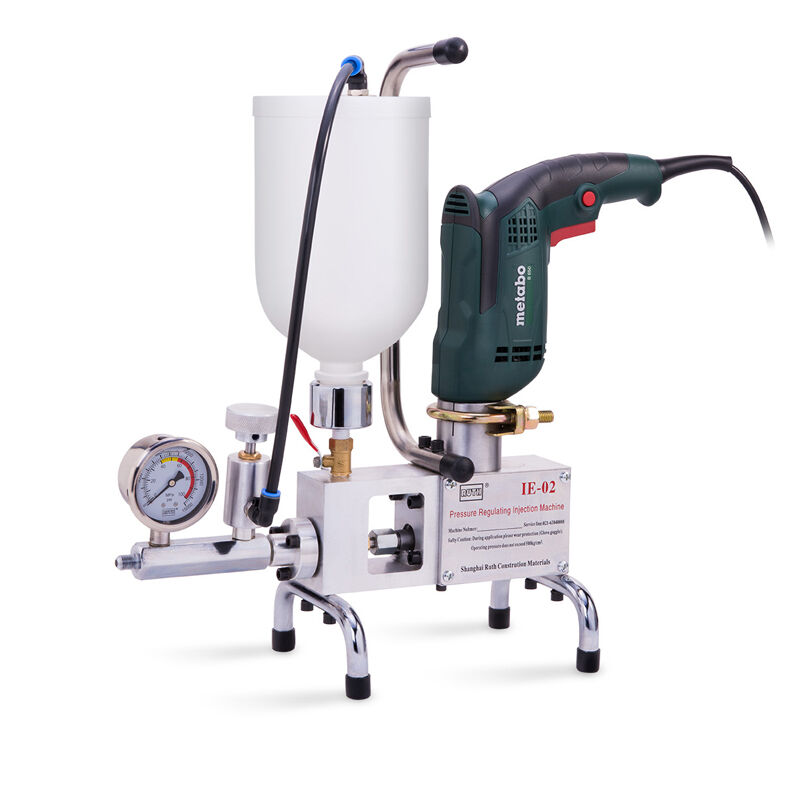
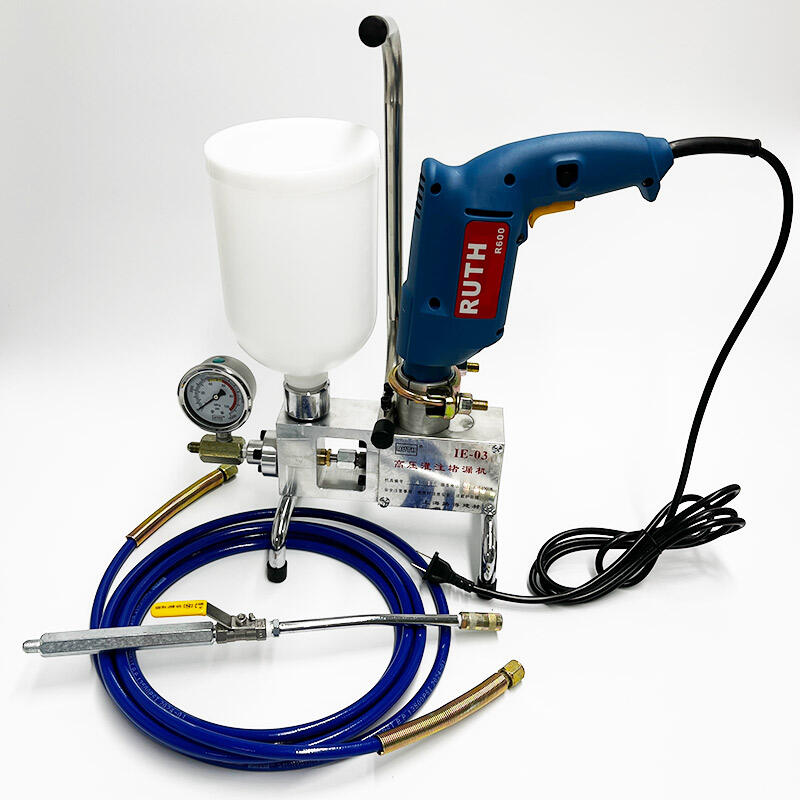
Modern poly injection operations depend on sophisticated control systems that enable operators to achieve millimeter-precise lifting accuracy while preventing damage to concrete structures and surrounding elements. These advanced systems incorporate real-time monitoring capabilities that track injection pressure, material flow rates, foam expansion characteristics, and concrete movement throughout the lifting process. Digital pressure gauges provide continuous feedback about subsurface conditions, allowing operators to identify voids, detect soil density variations, and adjust injection parameters accordingly. The precision control extends to material mixing systems that ensure perfect component ratios, maintaining optimal foam properties for each specific application. Variable speed pumps allow operators to control injection rates based on concrete thickness, soil conditions, and lifting requirements, preventing sudden movements that could crack concrete or damage adjacent structures. GPS-guided leveling systems integrated with poly injection equipment provide accurate elevation references, enabling operators to restore concrete surfaces to exact specifications. These systems prove particularly valuable for large-scale projects where multiple injection points must work together to achieve uniform lifting across extensive concrete areas. Advanced poly injection equipment includes pressure relief mechanisms that prevent over-pressurization of subsurface areas, protecting both the concrete structure and underlying utilities from potential damage. Computer-controlled mixing heads ensure consistent foam quality throughout the injection process, eliminating variations that could compromise lifting performance or long-term durability. Remote monitoring capabilities allow supervisors to oversee multiple injection operations simultaneously, ensuring quality control standards and safety protocols are maintained across all work areas. Data logging features record injection parameters for each hole, creating detailed project records that support warranty claims and future maintenance planning. The precision offered by modern control systems enables poly injection to address complex lifting scenarios including differential settlement, where different areas of the same concrete slab require varying amounts of elevation adjustment. This capability proves essential for projects involving stairs, ramps, and sloped surfaces where maintaining proper grades is critical for functionality and safety.
Comprehensive Applications Across Multiple Industries

Comprehensive Applications Across Multiple Industries

The versatility of poly injection technology enables its successful application across numerous industries and project types, making it an indispensable tool for concrete restoration and stabilization requirements. Residential applications represent a significant market segment where poly injection addresses common problems including sunken driveways, settled sidewalks, uneven patio areas, and pool deck instability. Homeowners benefit from the non-invasive nature of poly injection, which preserves landscaping, eliminates the need for heavy equipment access, and maintains property aesthetics throughout the repair process. Commercial applications span retail locations, office complexes, warehouses, and manufacturing facilities where concrete settlement creates safety hazards, operational inefficiencies, and liability concerns. Poly injection enables businesses to address these issues without disrupting daily operations, maintaining productivity levels while ensuring employee and customer safety. Industrial facilities utilize poly injection for heavy-duty applications including equipment pad stabilization, loading dock repairs, and foundation support systems that must withstand extreme loads and operating conditions. The aerospace industry relies on poly injection for airport runway repairs, taxiway stabilization, and hangar floor maintenance where precision and durability are paramount. Municipal infrastructure projects benefit significantly from poly injection applications in roadway repairs, bridge approach stabilization, and utility access restoration. The rapid completion times associated with poly injection minimize traffic disruptions and reduce the economic impact of infrastructure maintenance on local communities. Educational institutions employ poly injection for campus walkway repairs, building foundation stabilization, and athletic facility maintenance, addressing safety concerns while managing limited maintenance budgets effectively. Healthcare facilities utilize poly injection to maintain safe, level surfaces throughout medical campuses where patient mobility and emergency access requirements demand immediate attention to concrete settlement issues. The marine industry applies poly injection technology for dock stabilization, boat ramp repairs, and waterfront structure maintenance where traditional concrete work would be complicated by water access and environmental restrictions. Agricultural applications include barn floor stabilization, equipment storage area repairs, and livestock facility maintenance where poly injection provides cost-effective solutions for rural property owners.


Get a Free Quote

Email
Name
Company Name
Message
0/1000
Newsletter
Please Leave A Message With Us