polyurethane foam injection concrete lifting
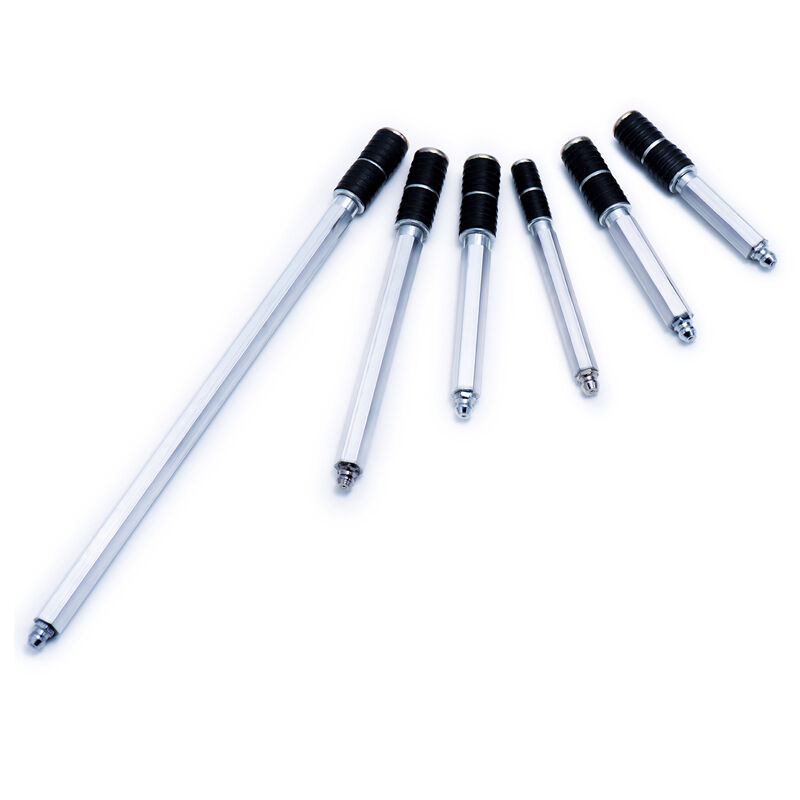
Polyurethane foam injection concrete lifting represents a revolutionary approach to addressing sunken, settled, or uneven concrete surfaces. This innovative technology utilizes high-density polyurethane foam that expands beneath concrete slabs to restore them to their original level and position. The process involves drilling small holes into the affected concrete surface and injecting specialized polyurethane foam through these access points. As the foam expands, it fills voids, compacts loose soil, and applies upward pressure to lift the concrete slab back into proper alignment. The main functions of polyurethane foam injection concrete lifting include correcting settled foundations, leveling driveways and sidewalks, stabilizing pool decks, and addressing uneven warehouse floors. The technological features of this method distinguish it from traditional concrete replacement or mudjacking techniques. The polyurethane material cures rapidly, typically within 15 minutes, allowing for immediate use of the repaired surface. The foam maintains consistent density and strength, providing long-lasting structural support that resists moisture infiltration and soil erosion. The injection equipment utilizes precise pressure controls and monitoring systems to ensure accurate foam placement and optimal lifting results. Applications for polyurethane foam injection concrete lifting span residential, commercial, and industrial sectors. Homeowners frequently utilize this technology for repairing settled basement floors, garage slabs, and outdoor concrete surfaces. Commercial applications include warehouse floor leveling, retail space repairs, and parking lot maintenance. Industrial facilities benefit from this technology when addressing heavy machinery foundation issues and manufacturing floor irregularities. The versatility of polyurethane foam injection makes it suitable for various concrete thicknesses and soil conditions, providing effective solutions for diverse lifting challenges across multiple environments and structural requirements.

 EN
EN