Professional Polyurethane Injection for Airport Runway Lifting - Fast, Reliable Infrastructure Solutions

Get a Free Quote

Email
Name
Company Name
Message
0/1000

polyurethane injection for airport runway lifting

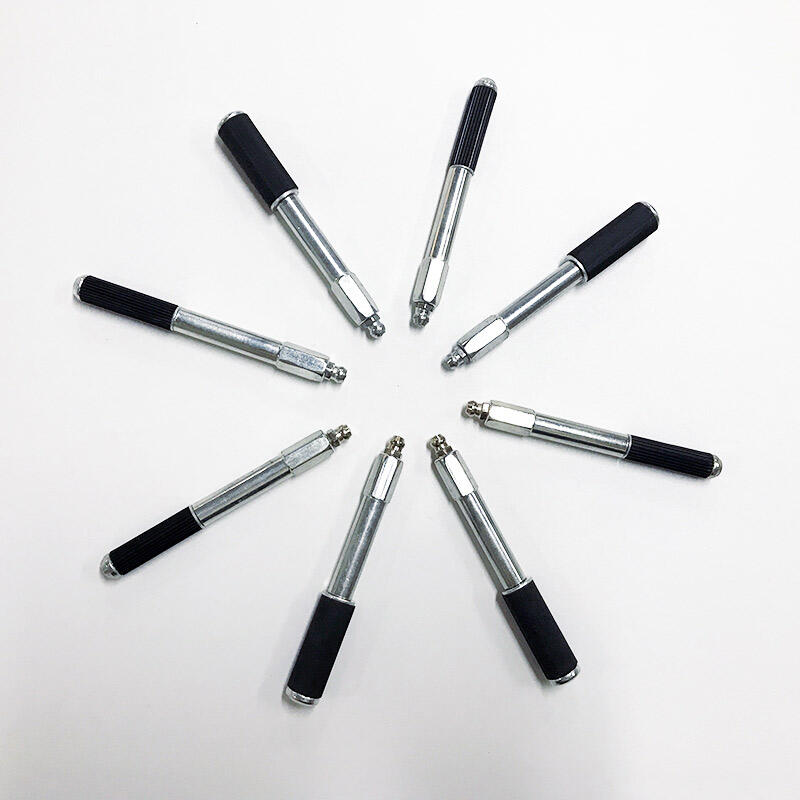
Polyurethane injection for airport runway lifting represents a revolutionary approach to maintaining critical aviation infrastructure through advanced ground stabilization technology. This innovative method addresses the persistent challenge of runway settlement and subsidence that affects airports worldwide, threatening operational safety and causing significant financial burden. The technology involves injecting specialized polyurethane foam beneath concrete runway slabs to restore proper elevation and structural integrity. Unlike traditional repair methods that require extensive excavation and prolonged runway closures, polyurethane injection for airport runway lifting offers a minimally invasive solution that can be completed during standard maintenance windows. The process begins with precise diagnostic assessment using ground-penetrating radar and laser leveling equipment to identify problematic areas requiring intervention. Specialized injection ports are then strategically drilled through the runway surface, allowing controlled delivery of expanding polyurethane material directly to void spaces beneath the pavement. The polyurethane foam expands upon contact with moisture, filling cavities and creating a stable foundation that supports heavy aircraft loads. This technology proves particularly effective for addressing issues caused by soil erosion, poor compaction, freeze-thaw cycles, and water infiltration that commonly plague airport runways. The polyurethane injection for airport runway lifting system delivers immediate results, with treated areas ready for aircraft traffic within hours of completion. Modern formulations provide exceptional durability, maintaining structural support for decades under extreme loading conditions. The process requires minimal equipment footprint, enabling work in confined spaces without disrupting adjacent runway operations. Environmental considerations remain paramount, with current polyurethane formulations meeting stringent ecological standards while delivering superior performance characteristics. This technology has transformed runway maintenance protocols at major international airports, providing cost-effective solutions that extend pavement lifespan while ensuring continued operational safety for commercial aviation.

New Product Releases

The implementation of polyurethane injection for airport runway lifting delivers substantial operational and financial benefits that make it the preferred choice for modern airport maintenance programs. Primary advantages include dramatically reduced downtime compared to conventional repair methods, enabling airports to maintain critical flight schedules without extended runway closures. Traditional concrete replacement or extensive excavation can shut down runways for weeks, causing massive disruptions to airline operations and generating millions in lost revenue. Polyurethane injection for airport runway lifting typically completes repairs within 24-48 hours, allowing normal operations to resume quickly while maintaining passenger satisfaction and airline partnerships. Cost efficiency represents another compelling advantage, as this technology eliminates the need for heavy machinery, extensive labor crews, and massive material transportation typically associated with traditional runway repairs. The precision application process minimizes waste while maximizing coverage, ensuring optimal resource utilization throughout the project lifecycle. Long-term durability characteristics of polyurethane injection for airport runway lifting significantly outperform alternative solutions, with properly installed systems maintaining structural integrity for 20-30 years under normal operating conditions. The material's exceptional resistance to environmental factors including temperature fluctuations, moisture infiltration, and chemical exposure ensures consistent performance across diverse climatic conditions. Safety improvements constitute a critical advantage, as the technology eliminates many hazards associated with large-scale construction activities near active runways. The minimal equipment requirements and reduced personnel exposure create safer working environments while maintaining compliance with strict aviation safety protocols. Environmental benefits include reduced carbon footprint through elimination of concrete disposal and decreased transportation requirements for heavy materials. The polyurethane injection for airport runway lifting process generates minimal noise and dust, supporting airports' community relations efforts while meeting increasingly stringent environmental regulations. Versatility in application allows the technology to address various runway issues simultaneously, from minor settling to significant void filling, providing comprehensive solutions through a single intervention. Quality control advantages include real-time monitoring capabilities that ensure proper foam distribution and density throughout the treatment area. The technology's adaptability to different soil conditions and runway configurations makes it suitable for airports of all sizes, from regional facilities to major international hubs.

Tips And Tricks

What Are the Key Advantages of Polyurea Grout in Infrastructure Repair?

10

Feb

What Are the Key Advantages of Polyurea Grout in Infrastructure Repair?

Infrastructure repair and maintenance represent critical challenges in modern construction and civil engineering. Among the numerous materials available for structural restoration, polyurea grout has emerged as a revolutionary solution that addresses...
View More
What Are Typical Applications of Hydrophobic Polyurethane in Infrastructure?

10

Mar

What Are Typical Applications of Hydrophobic Polyurethane in Infrastructure?

Infrastructure systems worldwide face constant challenges from water infiltration, soil movement, and environmental deterioration. Traditional waterproofing methods often fall short when dealing with complex underground conditions and dynamic structu...
View More
Why Is Hydrophobic Polyurethane Suitable for Permanent Waterproofing?

16

Mar

Why Is Hydrophobic Polyurethane Suitable for Permanent Waterproofing?

In the construction and infrastructure industry, achieving long-lasting waterproofing solutions remains a critical challenge for engineers and contractors worldwide. Traditional waterproofing methods often fall short when exposed to harsh environment...
View More
How Does Hydrophobic Polyurethane Perform Compared to Hydrophilic Systems?

20

Mar

How Does Hydrophobic Polyurethane Perform Compared to Hydrophilic Systems?

Understanding the performance differences between hydrophobic polyurethane and hydrophilic systems is crucial for engineers, contractors, and facility managers making informed decisions about waterproofing and sealing solutions. While both systems of...
View More

Get a Free Quote

Email
Name
Company Name
Message
0/1000

polyurethane injection for airport runway lifting

Rapid Implementation with Minimal Operational Disruption

Rapid Implementation with Minimal Operational Disruption

The most significant advantage of polyurethane injection for airport runway lifting lies in its ability to complete complex runway repairs with minimal disruption to critical flight operations. Traditional runway repair methods often require complete closure of affected areas for extended periods, sometimes lasting several weeks or even months depending on the scope of work required. This creates cascading effects throughout the aviation network, forcing airlines to cancel flights, reroute aircraft, and implement costly contingency plans that ultimately impact passengers and cargo operations worldwide. Polyurethane injection for airport runway lifting revolutionizes this approach by enabling repairs to be completed during standard overnight maintenance windows or brief daytime closures that align with natural gaps in flight schedules. The process typically requires only 4-8 hours from initiation to completion, allowing runways to return to full operational capacity within the same day. This rapid turnaround capability proves especially valuable for busy international airports where every hour of runway availability translates directly to revenue generation and operational efficiency. The technology's precision application method requires minimal surface preparation, eliminating the need for extensive excavation or removal of existing pavement materials. Small injection ports, typically 1-2 inches in diameter, provide access points for the polyurethane material without compromising the runway's structural integrity or requiring major surface reconstruction. Airport maintenance teams can coordinate these repairs during regular maintenance schedules, integrating the work seamlessly with other routine inspection and upkeep activities. The polyurethane injection for airport runway lifting process also eliminates the logistical challenges associated with bringing heavy construction equipment onto active airfields, where space constraints and safety protocols typically complicate traditional repair approaches. This streamlined methodology enables airports to maintain their competitive advantages by ensuring consistent operational reliability while addressing infrastructure maintenance needs proactively rather than reactively responding to emergency situations that could ground flights unexpectedly.
Superior Cost-Effectiveness and Long-Term Value

Superior Cost-Effectiveness and Long-Term Value

Polyurethane injection for airport runway lifting delivers exceptional financial benefits that extend far beyond initial implementation costs, creating compelling return-on-investment scenarios for airport operators and infrastructure managers. Traditional runway repair methods typically involve substantial capital expenditures for equipment mobilization, material procurement, labor coordination, and extended project timelines that compound overall costs significantly. The polyurethane approach eliminates many of these expense categories through its streamlined application process and reduced resource requirements. Material costs remain competitive while delivering superior performance characteristics, as the expanding foam technology maximizes coverage efficiency and minimizes waste compared to conventional concrete or asphalt repair methods. Labor requirements for polyurethane injection for airport runway lifting projects typically involve smaller, specialized crews rather than large construction teams, reducing both direct wage costs and associated overhead expenses such as equipment operation, site supervision, and safety management. The technology's rapid implementation timeline translates to reduced indirect costs, including shorter equipment rental periods, minimized site security requirements, and decreased impact on airport operations that might otherwise generate opportunity costs through reduced capacity or operational restrictions. Long-term value proposition becomes evident through the material's exceptional durability characteristics, with properly installed polyurethane systems maintaining structural integrity and load-bearing capacity for 20-30 years under normal aviation operating conditions. This longevity significantly exceeds typical performance expectations for conventional repair materials, effectively reducing the frequency of maintenance interventions and associated costs over the runway's operational lifespan. The polyurethane injection for airport runway lifting technology also provides preventive benefits by addressing subsurface issues before they escalate into more serious structural problems requiring extensive reconstruction efforts. Early intervention through polyurethane stabilization can extend overall pavement life by decades, deferring major capital investments while maintaining operational safety and performance standards. Additionally, the technology's versatility allows single interventions to address multiple related issues simultaneously, maximizing the cost-effectiveness of each maintenance event while ensuring comprehensive problem resolution.
Advanced Technical Performance and Environmental Sustainability

Advanced Technical Performance and Environmental Sustainability

The technical specifications and environmental profile of polyurethane injection for airport runway lifting represent significant advances in sustainable infrastructure maintenance technology. Modern polyurethane formulations demonstrate exceptional engineering properties that meet or exceed the demanding requirements of commercial aviation infrastructure, including superior compressive strength ratings that easily accommodate the extreme loads imposed by large commercial aircraft during takeoff and landing operations. The material's closed-cell foam structure provides outstanding resistance to water infiltration, preventing the moisture-related degradation that commonly affects traditional runway repairs and contributes to recurring maintenance cycles. Temperature stability represents another critical technical advantage, as polyurethane injection for airport runway lifting materials maintain consistent performance characteristics across the wide temperature ranges encountered in aviation environments, from arctic conditions to tropical heat. This thermal stability ensures reliable structural support regardless of seasonal variations or geographic location, making the technology suitable for airports worldwide. The injection process itself incorporates advanced monitoring and quality control systems that ensure optimal foam distribution and density throughout the treatment area. Real-time pressure monitoring and flow rate measurement enable technicians to verify proper material placement while adjusting application parameters to accommodate varying subsurface conditions. Environmental sustainability considerations have driven significant innovations in polyurethane chemistry, resulting in formulations that meet stringent ecological standards while delivering superior performance characteristics. Current polyurethane injection for airport runway lifting materials utilize low-impact chemical compositions that minimize environmental risk during application and throughout their service life. The technology supports airports' sustainability initiatives by reducing waste generation, eliminating the need for disposal of excavated materials, and minimizing carbon emissions associated with heavy equipment operation and material transportation. Energy efficiency benefits extend throughout the product lifecycle, as the reduced maintenance frequency decreases long-term energy consumption associated with runway repair activities. The polyurethane injection for airport runway lifting process also supports circular economy principles by extending infrastructure lifespan rather than requiring replacement, contributing to more sustainable resource utilization patterns in aviation infrastructure management.

Get a Free Quote

Email
Name
Company Name
Message
0/1000
Newsletter
Please Leave A Message With Us