polyurethane injection grouting waterproofing
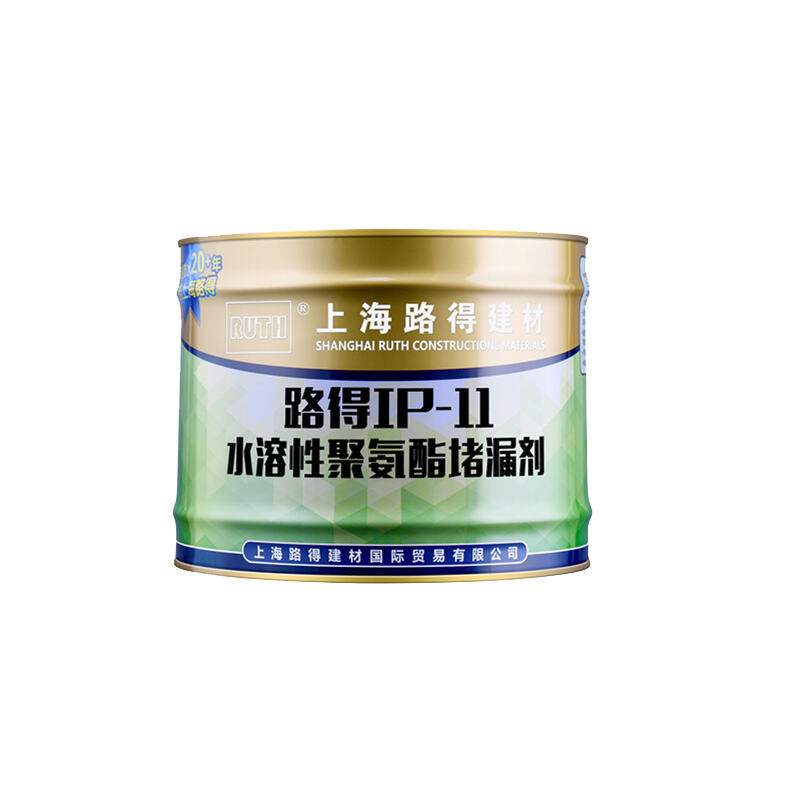
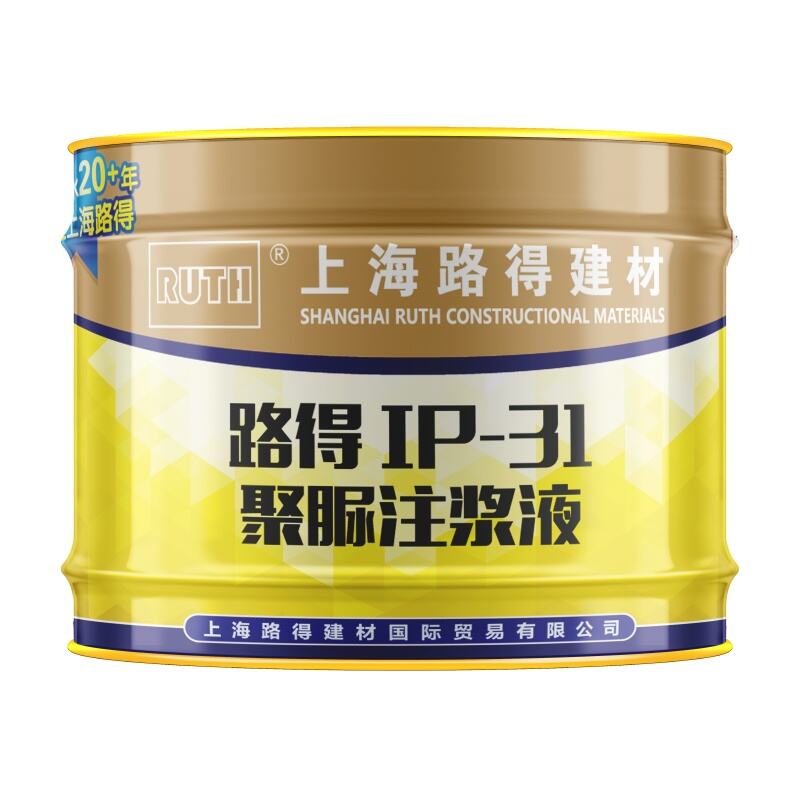
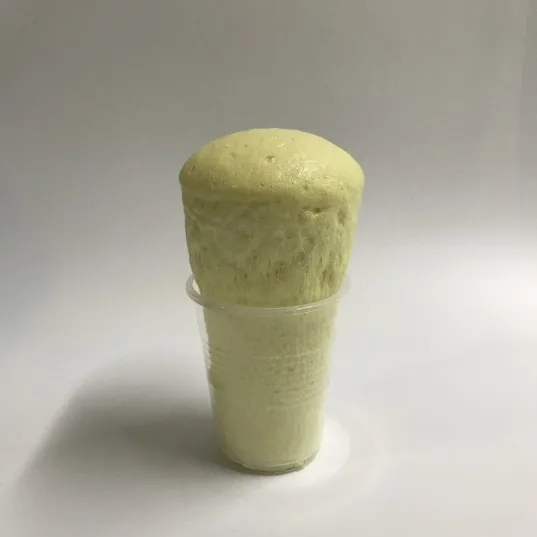
Polyurethane injection grouting waterproofing represents a cutting-edge solution for addressing water infiltration challenges in construction and infrastructure projects. This advanced technology utilizes specialized polyurethane resins that are injected directly into concrete cracks, joints, and porous substrates to create an impermeable barrier against moisture penetration. The polyurethane injection grouting waterproofing system operates through a chemical reaction process where the liquid polyurethane material expands and cures upon contact with water or humidity, forming a flexible yet durable seal that effectively prevents water leakage. The primary functions of polyurethane injection grouting waterproofing encompass crack sealing, joint waterproofing, void filling, and structural strengthening. This versatile system excels at treating both active and dormant water leaks, making it particularly valuable for emergency repairs and preventive maintenance applications. The technological features of polyurethane injection grouting waterproofing include rapid curing properties, excellent adhesion to various substrates, chemical resistance, and the ability to maintain flexibility under temperature fluctuations. The material demonstrates exceptional penetration capabilities, allowing it to infiltrate even hairline cracks and microscopic voids that traditional waterproofing methods might miss. Applications for polyurethane injection grouting waterproofing span across multiple sectors including residential basements, commercial buildings, industrial facilities, tunnels, bridges, parking structures, and marine environments. The system proves particularly effective in below-grade waterproofing applications where hydrostatic pressure poses significant challenges. Construction professionals frequently employ polyurethane injection grouting waterproofing for remedial work on existing structures experiencing water intrusion issues, as well as for proactive waterproofing measures during new construction projects to ensure long-term structural integrity and prevent costly water damage.

 EN
EN