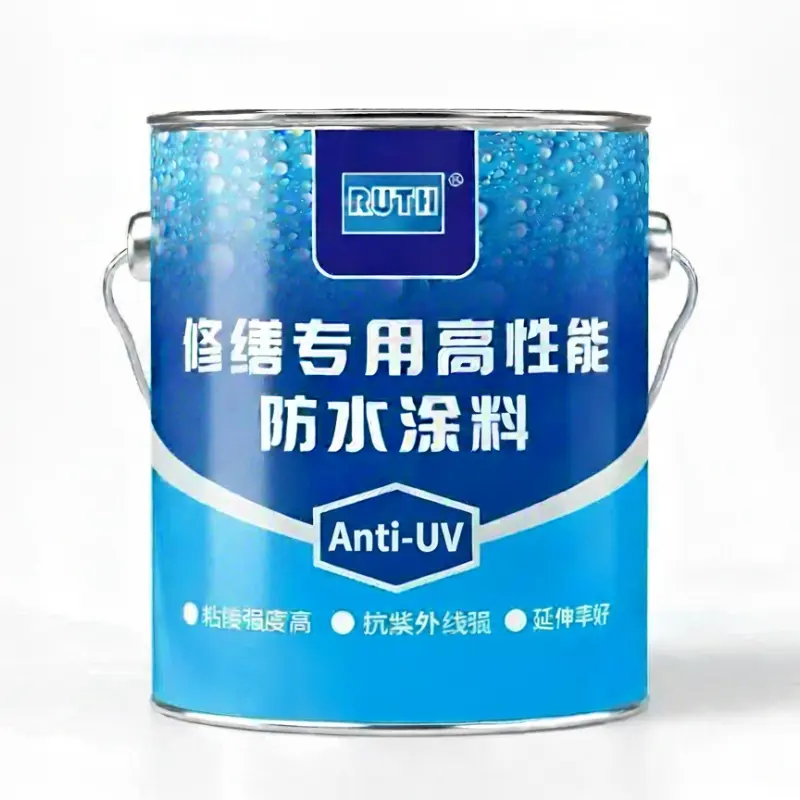
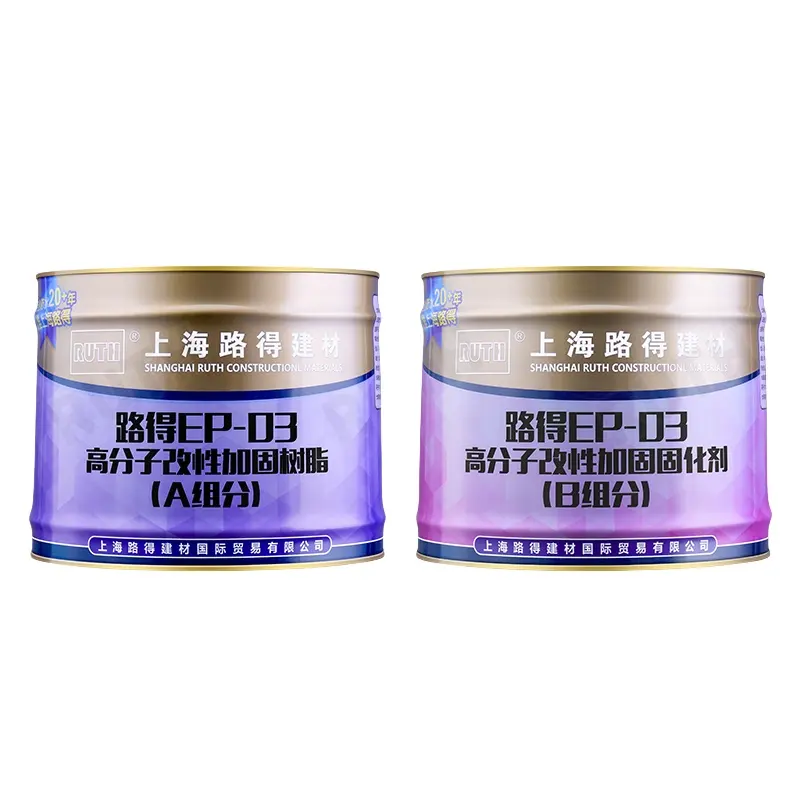
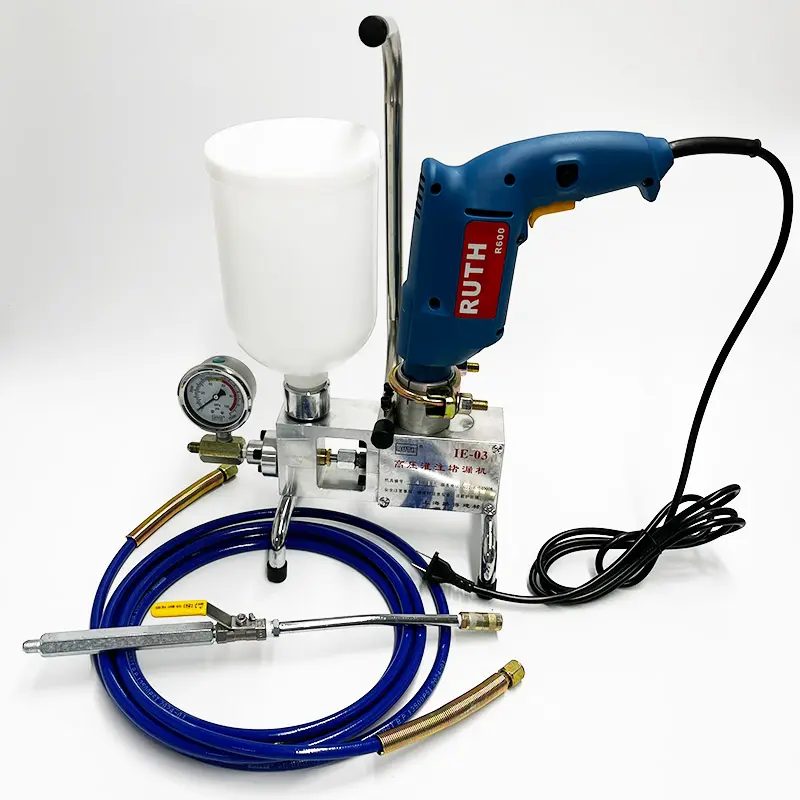
Professional Rock Stabilization Grout Solutions - Advanced Ground Reinforcement Technology

Get a Free Quote

Email
Name
Company Name
Message
0/1000

rock stabilization grout

Rock stabilization grout represents a specialized engineered solution designed to strengthen and secure unstable rock formations in various construction and mining applications. This advanced material combines cement-based compounds with chemical additives to create a robust binding agent that penetrates deep into rock cracks, fissures, and voids. The primary function of rock stabilization grout involves consolidating loose rock masses, preventing further deterioration, and establishing structural integrity in challenging geological conditions. Technological features of this innovative material include exceptional penetration capabilities, allowing it to reach microscopic fractures within rock formations. The grout exhibits controlled viscosity properties, ensuring optimal flow characteristics while maintaining sufficient density to fill cavities effectively. Modern formulations incorporate polymer modifications that enhance adhesion strength and flexibility, enabling the material to accommodate minor ground movements without compromising structural bonds. The setting time can be precisely controlled through chemical additives, allowing contractors to adjust working periods according to specific project requirements. Applications for rock stabilization grout span multiple industries and scenarios. In tunnel construction, this material secures unstable rock walls and prevents cave-ins during excavation processes. Underground mining operations utilize grout injection to stabilize ore extraction zones and maintain safe working conditions for personnel. Highway construction projects employ rock stabilization techniques to secure cut slopes and prevent rockfall incidents that could endanger traffic. Dam construction and maintenance operations rely on grout injection to seal foundation rocks and prevent water seepage through structural joints. Quarry operations use stabilization grout to consolidate working faces and reduce hazards associated with loose rock fragments. The material proves invaluable in historical building restoration, where natural stone foundations require reinforcement without compromising architectural integrity. Geotechnical engineering projects frequently specify rock stabilization grout for slope stabilization, retaining wall construction, and foundation improvements in challenging terrain conditions.


New Products

Rock stabilization grout delivers exceptional penetration depth, reaching areas that traditional stabilization methods cannot access. This deep penetration capability ensures comprehensive strengthening of rock formations from surface level to significant depths below ground. The material flows into hairline cracks and microscopic fissures, creating a network of reinforcement that dramatically improves overall structural stability. Unlike mechanical stabilization techniques that only address surface conditions, grout injection treats the entire affected rock mass, providing long-lasting protection against further deterioration. The cost-effectiveness of rock stabilization grout becomes apparent when comparing installation expenses to alternative methods. Traditional rock bolting requires extensive drilling, specialized equipment, and ongoing maintenance schedules that accumulate significant costs over time. Grout injection eliminates these recurring expenses by creating permanent bonds that require minimal future intervention. The installation process demands fewer workers and less heavy machinery, reducing labor costs and project timelines substantially. Material quantities remain relatively small compared to concrete replacement methods, keeping procurement expenses manageable for budget-conscious projects. Speed of application represents another significant advantage that appeals to contractors facing tight project deadlines. Grout injection equipment operates efficiently in confined spaces where larger machinery cannot function effectively. The process requires minimal site preparation, allowing work to commence immediately upon arrival. Multiple injection points can operate simultaneously, accelerating project completion rates significantly. Weather conditions rarely affect grout application, unlike concrete pouring operations that face delays during adverse conditions. Environmental benefits make rock stabilization grout an attractive choice for projects requiring sustainable construction practices. The material generates minimal waste during application, reducing disposal costs and environmental impact. No excavation or removal of existing rock becomes necessary, preserving natural formations and minimizing site disturbance. The chemical composition includes environmentally safe ingredients that pose no long-term contamination risks to soil or groundwater systems. Durability characteristics ensure decades of reliable performance without requiring replacement or major repairs. The grout maintains structural integrity under extreme temperature variations, moisture exposure, and chemical contact that would degrade alternative materials. Freeze-thaw cycles do not affect properly installed grout systems, making them ideal for regions experiencing seasonal temperature fluctuations.

Latest News

How Do Large Projects Benefit from Hydrophobic Polyurethane Grouting?

16

Feb

How Do Large Projects Benefit from Hydrophobic Polyurethane Grouting?

Large-scale construction and infrastructure projects face numerous challenges when it comes to water infiltration and structural integrity. From underground tunnels and basements to industrial facilities and marine structures, preventing water damage...
View More
How Does Hydrophobic Polyurethane Maintain Stability in Dry Crack Sealing?

02

Mar

How Does Hydrophobic Polyurethane Maintain Stability in Dry Crack Sealing?

The construction industry has witnessed remarkable advancements in sealing technologies, with hydrophobic polyurethane emerging as a revolutionary solution for crack repair and waterproofing applications. This innovative material combines the excepti...
View More
What Are Typical Applications of Hydrophobic Polyurethane in Infrastructure?

10

Mar

What Are Typical Applications of Hydrophobic Polyurethane in Infrastructure?

Infrastructure systems worldwide face constant challenges from water infiltration, soil movement, and environmental deterioration. Traditional waterproofing methods often fall short when dealing with complex underground conditions and dynamic structu...
View More
How Does Hydrophobic Polyurethane Perform Compared to Hydrophilic Systems?

20

Mar

How Does Hydrophobic Polyurethane Perform Compared to Hydrophilic Systems?

Understanding the performance differences between hydrophobic polyurethane and hydrophilic systems is crucial for engineers, contractors, and facility managers making informed decisions about waterproofing and sealing solutions. While both systems of...
View More

Get a Free Quote

Email
Name
Company Name
Message
0/1000

rock stabilization grout

Superior Penetration Technology for Complete Rock Mass Treatment

Superior Penetration Technology for Complete Rock Mass Treatment

The advanced penetration technology incorporated in rock stabilization grout sets it apart from conventional strengthening methods by achieving unprecedented depth and coverage throughout fractured rock formations. This sophisticated system utilizes precisely engineered particle sizes and rheological properties that enable the material to flow into cracks as narrow as 0.1 millimeters while maintaining sufficient viscosity to prevent excessive bleeding or segregation during injection. The penetration mechanism works through controlled pressure application that forces the grout mixture deep into the rock matrix, following natural fracture patterns and creating an interconnected reinforcement network that spans the entire affected zone. Unlike surface treatments that only address visible defects, this technology reaches hidden structural weaknesses that could cause future failures if left untreated. The injection process employs specialized equipment capable of generating precise pressure levels that optimize penetration without causing hydraulic fracturing of surrounding rock. Multiple injection points work systematically to ensure complete coverage, with overlapping treatment zones that eliminate potential weak spots between injection locations. The grout formulation includes carefully selected chemical additives that reduce surface tension, allowing deeper penetration into tight spaces while maintaining structural properties necessary for long-term stability. This comprehensive approach results in treated rock masses that exhibit significantly improved compressive strength, tensile resistance, and overall structural integrity compared to untreated formations. Field testing consistently demonstrates that properly executed grout penetration increases rock mass stability by 300 to 500 percent, providing exceptional value for infrastructure projects requiring reliable geological conditions. The technology proves especially valuable in sedimentary rock formations where natural bedding planes create potential failure surfaces that traditional methods cannot effectively address. Engineering evaluations confirm that deep penetration grout treatment creates monolithic rock behavior that eliminates the risk of progressive failure along natural discontinuities.
Rapid Curing System for Accelerated Project Completion

Rapid Curing System for Accelerated Project Completion

The innovative rapid curing system integrated into modern rock stabilization grout formulations revolutionizes project scheduling by dramatically reducing the time required for structural strengthening operations to reach full effectiveness. This advanced chemical system utilizes controlled hydration reactions that can be precisely adjusted to meet specific project timeline requirements, ranging from ultra-fast setting applications that achieve initial strength within hours to extended working time formulations that allow complex injection sequences over several days. The curing mechanism incorporates dual-phase strength development, where initial setting provides immediate stabilization to prevent further rock movement while long-term curing continues to build ultimate strength values over subsequent weeks. This characteristic proves invaluable for emergency stabilization situations where immediate results are critical for safety considerations. The system includes temperature compensation additives that maintain consistent curing rates regardless of ambient conditions, ensuring reliable performance in both hot summer installations and cold weather applications where conventional materials might fail to achieve proper strength development. Quality control measures built into the curing system provide visual indicators that confirm proper mixing and application, reducing the risk of installation errors that could compromise structural performance. The rapid strength gain allows subsequent construction activities to proceed without extended waiting periods, keeping project schedules on track and reducing overall construction costs. Accelerated laboratory testing protocols validate 28-day strength achievements within 72 hours of installation, providing early confirmation of treatment effectiveness. The curing system maintains dimensional stability throughout the strength development process, preventing shrinkage cracks that could compromise the integrity of the strengthened rock mass. Field applications demonstrate that projects utilizing rapid curing rock stabilization grout complete 40 to 60 percent faster than comparable installations using conventional materials, translating to significant cost savings and reduced exposure to weather-related delays.
Multi-Environmental Durability for Long-Term Performance Reliability

Multi-Environmental Durability for Long-Term Performance Reliability

The exceptional multi-environmental durability engineered into rock stabilization grout ensures reliable long-term performance across diverse climatic conditions and aggressive exposure environments that would quickly degrade alternative strengthening materials. This comprehensive durability system incorporates multiple protective mechanisms including chemical resistance additives that prevent deterioration from acid rain, sulfate attack, and chloride penetration commonly encountered in industrial and marine environments. The material formulation includes polymer modifications that provide flexibility to accommodate thermal expansion and contraction cycles without developing stress fractures that could compromise structural integrity. Extensive freeze-thaw testing validates performance through hundreds of temperature cycles ranging from -40°F to 120°F, confirming that the grout maintains bond strength and structural properties under extreme weather conditions. The durability system includes UV stabilizers that prevent degradation of exposed grout surfaces, maintaining structural properties and appearance for decades without requiring protective coatings or maintenance treatments. Alkali-silica reaction inhibitors prevent the formation of expansive gels that could cause internal stress and cracking in reactive aggregate environments. The chemical composition resists biological attack from mold, algae, and bacteria that thrive in moist underground conditions where rock stabilization treatments are frequently required. Independent laboratory testing confirms resistance to over 50 different chemicals commonly encountered in industrial applications, including acids, bases, solvents, and petroleum products. Long-term field monitoring of installations over 20 years old demonstrates minimal strength loss and no significant deterioration even in highly aggressive environments. The durability characteristics eliminate the need for regular maintenance cycles required by mechanical stabilization systems, providing substantial cost savings over the service life of treated structures. Quality assurance testing protocols ensure batch-to-batch consistency in durability properties, giving engineers confidence in long-term performance predictions for critical infrastructure applications.

Get a Free Quote

Email
Name
Company Name
Message
0/1000
Newsletter
Please Leave A Message With Us