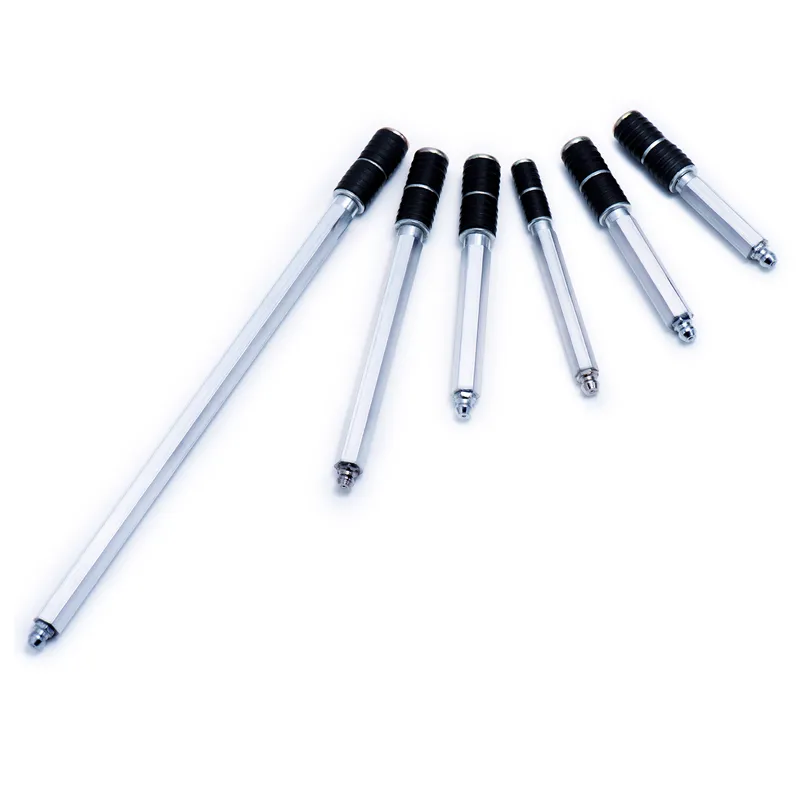
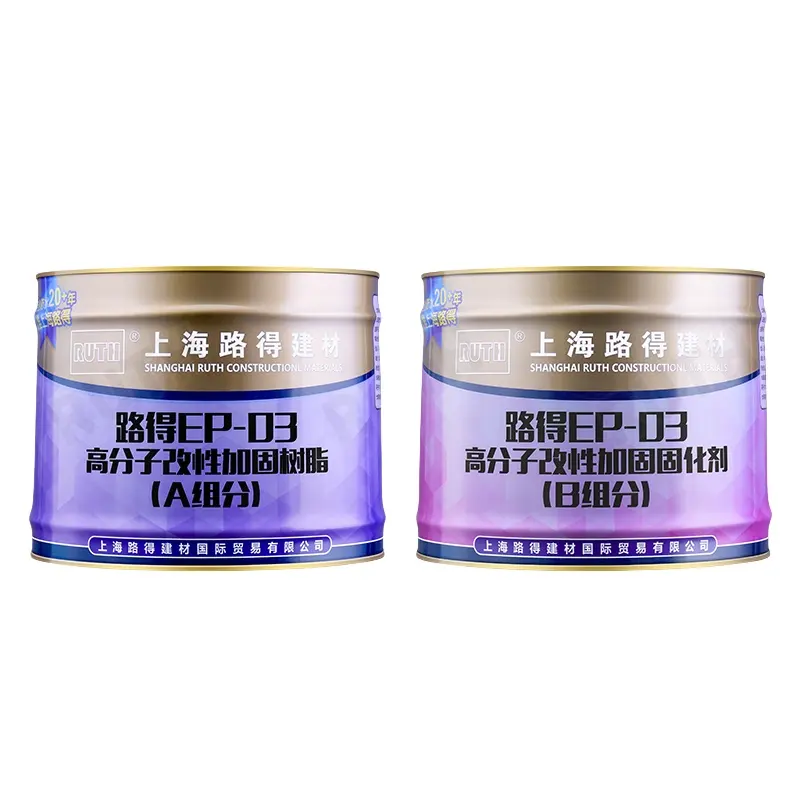
sewer rehabilitation grout
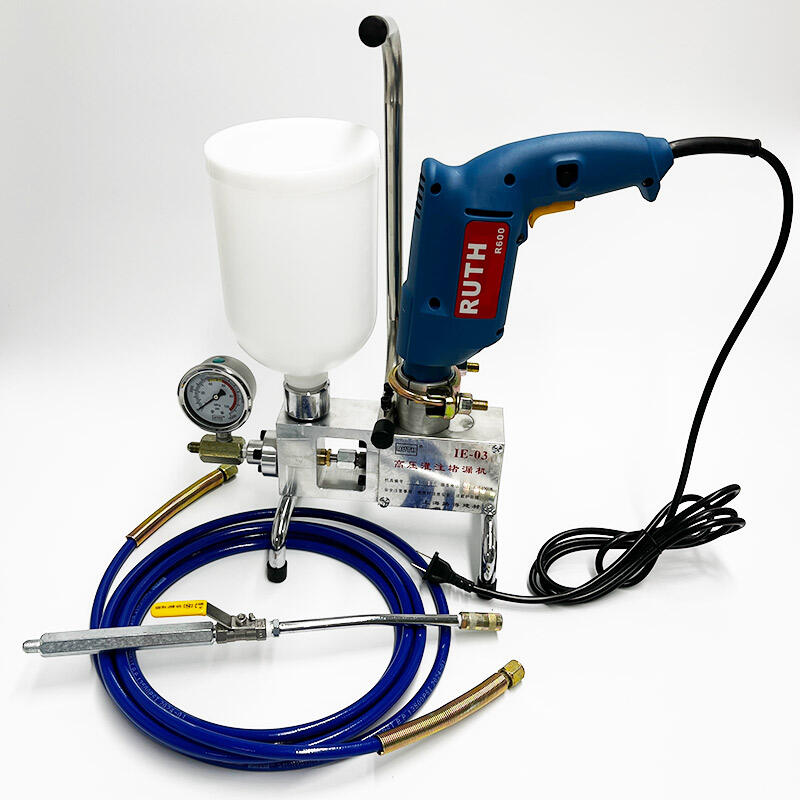
Sewer rehabilitation grout represents a cutting-edge solution for restoring and strengthening damaged sewer systems without the need for extensive excavation or complete pipe replacement. This specialized grouting material serves as a comprehensive repair system designed to address structural deficiencies, seal leaks, and extend the operational lifespan of aging sewer infrastructure. The primary functions of sewer rehabilitation grout encompass crack sealing, joint stabilization, void filling, and structural reinforcement of deteriorated pipe sections. Modern sewer rehabilitation grout formulations utilize advanced polymer chemistry and hydraulic binding agents that create durable, long-lasting repairs capable of withstanding harsh underground environments. The technological features of this innovative material include excellent penetration capabilities, allowing it to infiltrate even the smallest cracks and crevices within damaged pipe structures. The grout exhibits exceptional adhesion properties, forming strong bonds with various pipe materials including concrete, clay, cast iron, and PVC. Its chemical resistance ensures performance stability against common sewer contaminants such as hydrogen sulfide, acids, and organic compounds. The applications of sewer rehabilitation grout span across municipal wastewater systems, industrial drainage networks, residential sewer lines, and commercial property drainage systems. This versatile material effectively addresses common sewer problems including root intrusion damage, settling-related cracks, corrosion-induced deterioration, and joint displacement issues. The grouting process typically involves thorough cleaning of the affected pipe section, followed by precise injection of the rehabilitation material through specialized equipment. The rapid-setting characteristics of modern sewer rehabilitation grout formulations minimize service disruption while ensuring immediate structural improvement. This technology has revolutionized sewer maintenance practices by providing cost-effective alternatives to traditional excavation methods, making it an essential tool for infrastructure management professionals seeking efficient repair solutions.

 EN
EN