Professional Permeation Grouting Material Solutions - Advanced Soil Stabilization & Waterproofing Technology

Get a Free Quote

Email
Name
Company Name
Message
0/1000

permeation grouting material

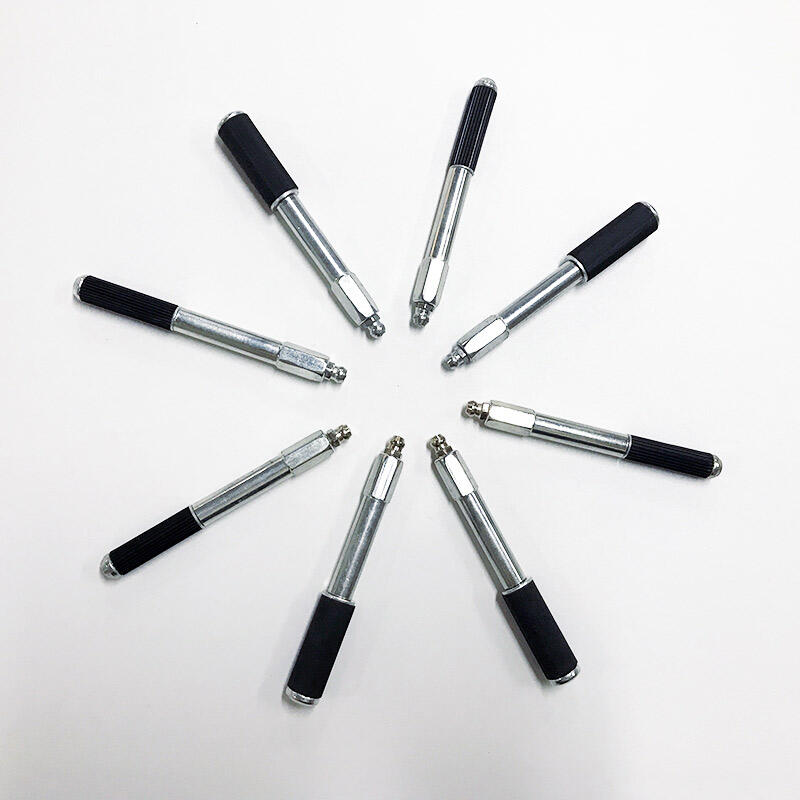
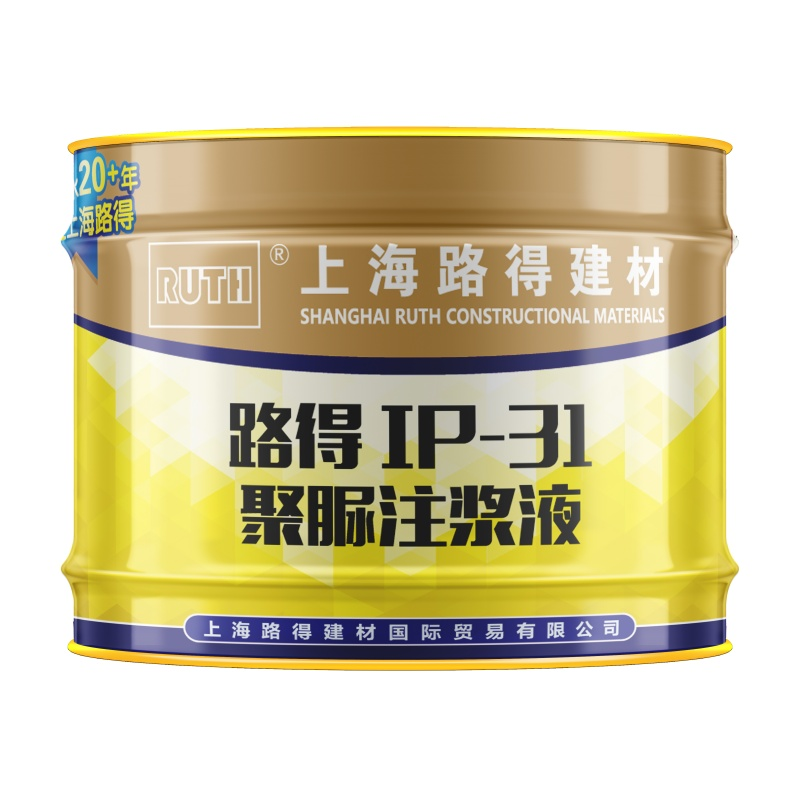
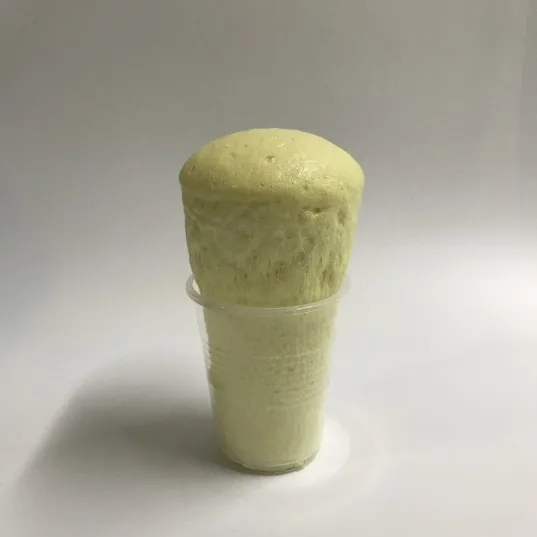
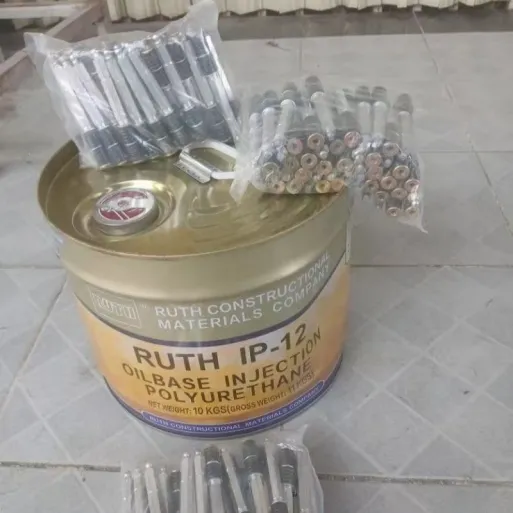
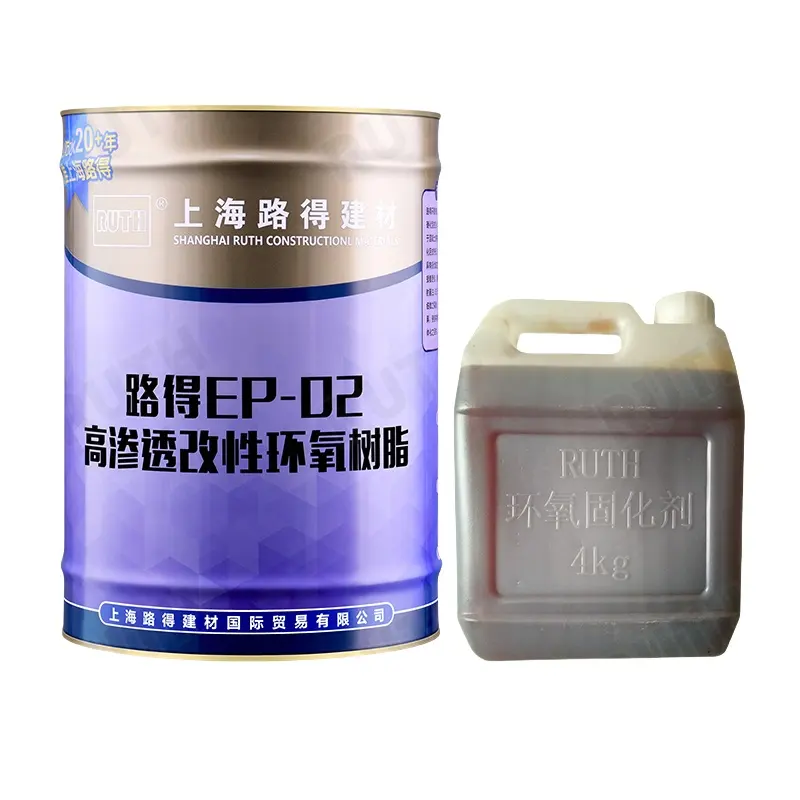
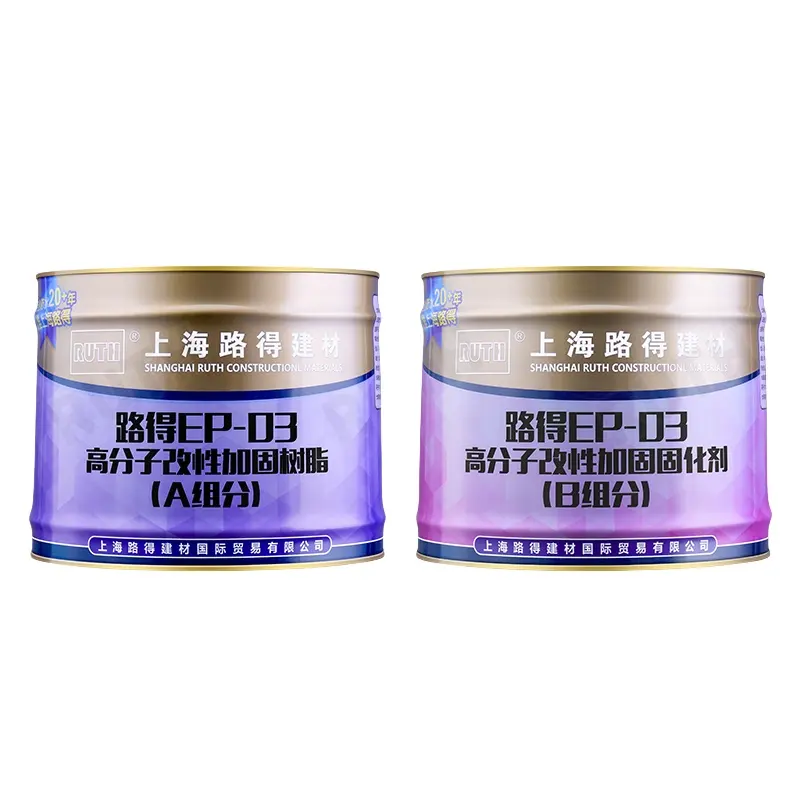
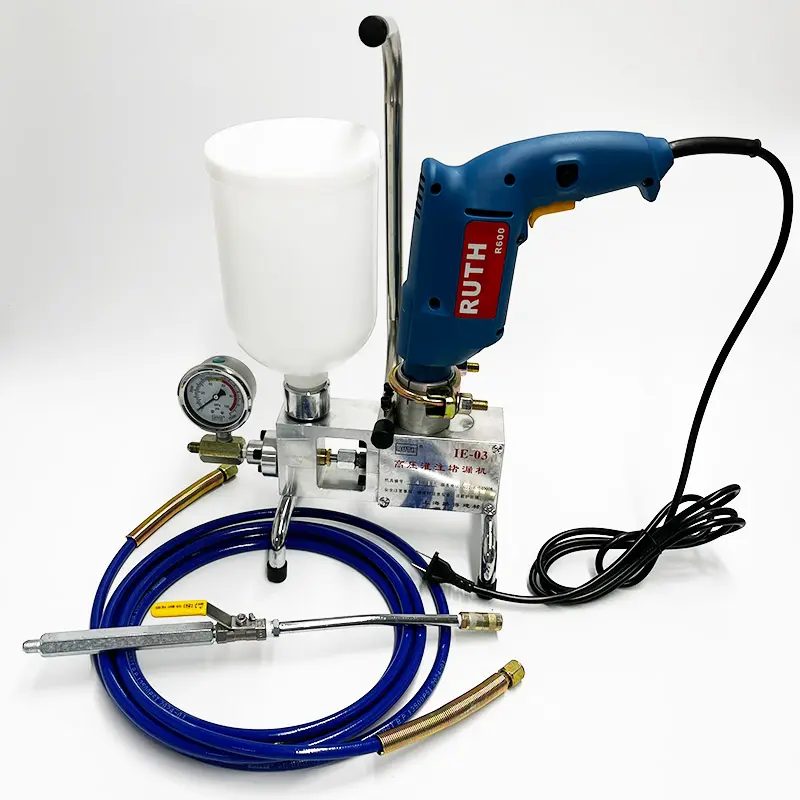
Permeation grouting material represents a revolutionary advancement in construction and civil engineering, designed to strengthen weak soils and seal water infiltration through precise injection techniques. This specialized chemical solution penetrates deep into soil particles, rock fractures, and concrete voids to create enhanced structural integrity and waterproofing capabilities. The permeation grouting material functions as a liquid injection system that hardens upon contact with groundwater or through chemical reactions, forming a solid barrier that prevents water movement and increases load-bearing capacity. Its primary functions include soil stabilization, groundwater control, foundation underpinning, and structural rehabilitation in various construction projects. The technological features of permeation grouting material encompass low viscosity formulations that ensure deep penetration into fine soil particles, adjustable setting times to accommodate different project requirements, and high compressive strength development upon curing. Advanced chemical compositions allow the material to maintain flowability during injection while achieving rapid hardening characteristics when needed. The material demonstrates excellent compatibility with different soil types, from sandy formations to clay deposits, making it versatile for diverse geological conditions. Applications for permeation grouting material span across multiple industries including tunnel construction, dam foundation treatment, building basement waterproofing, bridge pier stabilization, and underground structure rehabilitation. Construction teams utilize this material for ground improvement projects where traditional mechanical methods prove insufficient or impractical. The injection process involves specialized equipment that delivers the permeation grouting material under controlled pressure, ensuring uniform distribution throughout the target area. Environmental considerations have led to the development of eco-friendly formulations that minimize impact on surrounding ecosystems while maintaining superior performance characteristics. Quality control measures during application ensure optimal penetration depth and coverage area, maximizing the effectiveness of the permeation grouting material in achieving project objectives.


New Product Releases

Permeation grouting material offers exceptional cost-effectiveness compared to traditional soil improvement methods, delivering substantial savings in both material expenses and labor costs throughout project execution. The streamlined application process eliminates the need for extensive excavation work, reducing overall project timelines and minimizing disruption to surrounding areas. This efficiency translates directly into lower overhead costs and faster project completion, making permeation grouting material an economically attractive solution for contractors and developers. The material provides superior penetration capabilities that reach previously inaccessible areas where conventional stabilization methods fail to achieve adequate coverage. Its low viscosity characteristics enable deep infiltration into micro-fractures and fine soil particles, creating comprehensive strengthening that mechanical compaction cannot match. This enhanced penetration ensures uniform treatment distribution, eliminating weak spots that could compromise structural integrity over time. Durability stands as a primary advantage of permeation grouting material, with properly applied treatments lasting decades without significant degradation or maintenance requirements. The chemical composition resists environmental factors including freeze-thaw cycles, chemical exposure, and groundwater fluctuations that typically affect other stabilization methods. Long-term performance studies demonstrate consistent strength retention and waterproofing effectiveness, providing clients with reliable protection for their infrastructure investments. Environmental benefits include reduced construction site footprint and minimal disturbance to existing vegetation and wildlife habitats. The injection process requires smaller equipment setups compared to traditional earth-moving operations, preserving surrounding ecosystems while achieving superior results. Many modern permeation grouting material formulations incorporate environmentally responsible ingredients that pose minimal risk to groundwater quality or soil health. Versatility represents another significant advantage, as the material adapts to various soil conditions, project scales, and performance requirements. Contractors can adjust viscosity, setting time, and strength characteristics to match specific project needs, ensuring optimal results across diverse applications. The material works effectively in both saturated and unsaturated soil conditions, providing flexibility in scheduling and weather considerations. Quality assurance becomes more manageable with permeation grouting material due to predictable performance characteristics and standardized application procedures. Real-time monitoring capabilities allow project managers to verify injection volumes, pressure levels, and coverage areas, ensuring consistent quality throughout the treatment process.

Practical Tips

What Are the Key Advantages of Polyurea Grout in Infrastructure Repair?

10

Feb

What Are the Key Advantages of Polyurea Grout in Infrastructure Repair?

Infrastructure repair and maintenance represent critical challenges in modern construction and civil engineering. Among the numerous materials available for structural restoration, polyurea grout has emerged as a revolutionary solution that addresses...
View More
What Are the Injection Requirements for Hydrophobic Polyurethane Materials?

20

Feb

What Are the Injection Requirements for Hydrophobic Polyurethane Materials?

Understanding the injection requirements for hydrophobic polyurethane materials is crucial for successful waterproofing and structural repair applications. These specialized materials offer exceptional resistance to water penetration while maintainin...
View More
Why Is Hydrophobic Polyurethane Suitable for Permanent Waterproofing?

16

Mar

Why Is Hydrophobic Polyurethane Suitable for Permanent Waterproofing?

In the construction and infrastructure industry, achieving long-lasting waterproofing solutions remains a critical challenge for engineers and contractors worldwide. Traditional waterproofing methods often fall short when exposed to harsh environment...
View More
How Do Contractors Choose Hydrophilic Polyurethane for Wet Conditions?

25

Mar

How Do Contractors Choose Hydrophilic Polyurethane for Wet Conditions?

Waterproofing in wet conditions presents unique challenges that demand specialized solutions. When contractors face persistent moisture issues, concrete joints, and foundation leaks, selecting the right sealant becomes critical for project success. H...
View More

Get a Free Quote

Email
Name
Company Name
Message
0/1000

permeation grouting material

Advanced Deep Penetration Technology for Complete Soil Stabilization

Advanced Deep Penetration Technology for Complete Soil Stabilization

The revolutionary deep penetration capability of permeation grouting material sets new industry standards for comprehensive soil treatment and structural enhancement across challenging geological conditions. This advanced technology utilizes specially formulated low-viscosity solutions that infiltrate deep into soil matrices, reaching areas that traditional stabilization methods cannot access effectively. The material flows through microscopic pore spaces and hairline fractures, creating an extensive network of reinforcement that transforms weak soil formations into stable, load-bearing foundations. Engineers rely on this penetration technology to address complex subsurface conditions where surface treatments prove inadequate for long-term stability requirements. The injection process delivers permeation grouting material through strategically placed injection points, allowing controlled distribution throughout the target zone. Pressure monitoring systems ensure optimal injection parameters while preventing soil displacement or structural damage to adjacent areas. The material maintains its flowability during injection phases, then undergoes controlled hardening processes that create solid, durable bonds with surrounding soil particles. This transformation process strengthens the entire treated area, eliminating potential failure planes and creating uniform load distribution characteristics. Field applications demonstrate the effectiveness of this deep penetration technology in various soil types, from loose sandy deposits to fractured rock formations. The material successfully treats heterogeneous soil conditions where different layers require customized stabilization approaches, adapting its properties to match specific geological requirements. Quality control measures include real-time monitoring of injection volumes, penetration depths, and pressure readings to ensure complete coverage throughout the designated treatment area. Post-treatment testing confirms the achievement of target strength parameters and verifies the success of the deep penetration process. This technology proves particularly valuable in urban construction projects where space limitations prevent traditional excavation and replacement methods, providing effective stabilization solutions within existing infrastructure constraints. The long-term performance benefits include enhanced bearing capacity, reduced settlement potential, and improved resistance to environmental factors that typically affect untreated soil formations.
Superior Waterproofing Performance with Long-lasting Protection

Superior Waterproofing Performance with Long-lasting Protection

Permeation grouting material delivers exceptional waterproofing performance that surpasses conventional sealing methods through its unique ability to create comprehensive barrier systems within soil and rock formations. This superior waterproofing capability stems from the material's capacity to fill voids, fractures, and pore spaces completely, eliminating pathways for water infiltration while maintaining structural integrity over extended periods. The chemical composition forms impermeable barriers that resist hydrostatic pressure, groundwater fluctuations, and aggressive chemical environments commonly encountered in subsurface applications. Construction professionals choose permeation grouting material for critical waterproofing applications where failure could result in significant property damage or structural compromise. The material provides reliable protection against basement flooding, foundation settlement, and erosion problems that plague many construction projects. Its effectiveness extends beyond simple void filling, as the cured material maintains flexibility to accommodate minor structural movements while preserving waterproof characteristics. Laboratory testing demonstrates the material's resistance to water pressure exceeding typical groundwater conditions, ensuring reliable performance even during extreme weather events or seasonal water table fluctuations. The waterproofing mechanism involves complete saturation of treated areas, creating continuous barriers that prevent water migration through previously permeable zones. This comprehensive coverage eliminates the potential for bypass flow that often compromises partial treatment approaches. Field applications showcase successful waterproofing results in diverse environments, from coastal construction sites with high salt exposure to industrial facilities with chemical contamination concerns. The material's durability ensures that initial waterproofing investments provide long-term value without requiring frequent maintenance or reapplication. Environmental resistance includes protection against freeze-thaw damage, chemical attack, and biological degradation that typically affect other waterproofing materials over time. Quality assurance protocols verify waterproofing effectiveness through permeability testing and long-term monitoring programs that confirm sustained barrier performance. The economic benefits include reduced maintenance costs, elimination of secondary water damage, and preservation of structural elements that would otherwise require expensive repairs or replacement due to water infiltration problems.
Rapid Application Process with Minimal Site Disruption

Rapid Application Process with Minimal Site Disruption

The rapid application process of permeation grouting material revolutionizes construction schedules by delivering comprehensive soil stabilization and waterproofing results in significantly reduced timeframes compared to traditional methods. This efficiency advantage stems from streamlined injection procedures that require minimal site preparation, specialized equipment mobilization, and post-treatment activities. Construction teams can complete extensive ground improvement projects within compressed schedules while maintaining quality standards and achieving superior performance outcomes. The application methodology involves strategic placement of injection points followed by systematic material delivery under controlled conditions, allowing treatment of large areas within short time periods. Site disruption remains minimal throughout the process, as the injection equipment operates from surface locations without requiring extensive excavation or structural modifications to existing facilities. This approach proves particularly valuable in urban environments where construction activities must accommodate ongoing business operations, pedestrian traffic, and utility services. The rapid curing characteristics of permeation grouting material enable immediate load application in many cases, eliminating extended waiting periods typically associated with traditional soil improvement methods. Project managers benefit from predictable application schedules that allow accurate planning and resource allocation throughout construction phases. The efficiency extends beyond initial application to include reduced cleanup requirements and minimal restoration needs for treated areas. Quality control measures ensure that rapid application does not compromise treatment effectiveness, with real-time monitoring systems providing immediate feedback on injection parameters and coverage verification. The material's consistency and predictable behavior allow experienced crews to maintain high productivity rates while achieving uniform results across varying site conditions. Equipment requirements remain relatively modest compared to heavy machinery needed for excavation and replacement methods, reducing mobilization costs and site congestion issues. This rapid application capability enables contractors to take on multiple projects simultaneously, improving overall business efficiency and client satisfaction levels. The reduced construction timeline translates into lower overhead costs, earlier project completion, and faster return on investment for property owners and developers. Emergency applications benefit significantly from this rapid deployment capability, as critical stabilization needs can be addressed quickly to prevent further damage or safety hazards.

Get a Free Quote

Email
Name
Company Name
Message
0/1000
Newsletter
Please Leave A Message With Us