Professional Underwater Curing Grout Solutions - Advanced Marine Construction Technology

Get a Free Quote

Email
Name
Company Name
Message
0/1000

underwater curing grout

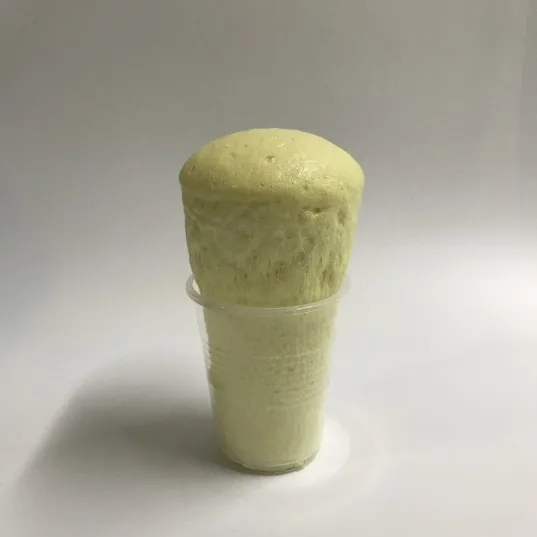
Underwater curing grout represents a revolutionary advancement in marine construction technology, specifically engineered to perform optimally in submerged environments where traditional grouting materials fail. This specialized material addresses the critical need for reliable underwater repairs and construction projects, offering exceptional performance in challenging aquatic conditions. The underwater curing grout is formulated with advanced polymer chemistry that enables it to set and cure effectively beneath the water surface, eliminating the need for costly dewatering operations or temporary barriers. Its main functions encompass structural repair of underwater concrete surfaces, filling voids in submerged foundations, sealing joints in marine infrastructure, and reinforcing weakened underwater structures. The technological features of this innovative material include rapid displacement of water from application areas, superior adhesion to wet surfaces, and controlled expansion properties that ensure complete void filling. The grout maintains its integrity during the curing process, even when exposed to continuous water flow or varying water temperatures. Key applications span across marine construction projects, underwater pipeline installations, bridge pier repairs, dam maintenance, offshore platform foundations, and harbor infrastructure restoration. The material proves invaluable for emergency repairs where immediate action is required without the luxury of creating dry work environments. Its versatility extends to both saltwater and freshwater applications, making it suitable for oceanic projects as well as lake and river construction work. The underwater curing grout delivers consistent results across various water depths and pressure conditions, ensuring reliable performance from shallow water repairs to deep-sea installations. This technology eliminates traditional barriers associated with underwater construction, reducing project timelines and operational costs while maintaining the highest standards of structural integrity and durability.


New Product Recommendations

The underwater curing grout delivers remarkable cost savings by eliminating the need for expensive dewatering systems, cofferdams, or diving bell operations that traditional construction methods require. Projects benefit from significant time reductions as work can proceed continuously without waiting for ideal weather conditions or tidal changes. The material sets reliably in temperatures ranging from freezing to tropical conditions, ensuring year-round construction capabilities that maximize project efficiency. Workers experience enhanced safety since dangerous dewatering operations and complex temporary structures become unnecessary, reducing workplace hazards and insurance costs. The grout provides superior bonding strength to existing concrete structures, creating permanent repairs that withstand harsh marine environments including salt exposure, freeze-thaw cycles, and constant moisture presence. Its self-leveling properties ensure complete coverage of irregular surfaces and hard-to-reach areas, delivering thorough protection that manual application methods cannot achieve. Environmental benefits include minimal disruption to aquatic ecosystems since construction can proceed without altering natural water flows or creating dry zones that disturb marine life habitats. The material resists washout during application, preventing waste and ensuring every portion contributes to the final structure rather than being lost to water currents. Quality control becomes more predictable as the grout maintains consistent properties regardless of water conditions, reducing the variability that weather and tidal factors typically introduce to marine projects. Long-term maintenance costs decrease substantially because properly applied underwater curing grout creates durable barriers against water infiltration and structural deterioration. The versatility of this material allows contractors to handle multiple project types with a single product, reducing inventory complexity and training requirements. Projects achieve faster completion schedules because work can continue during conditions that would halt conventional construction, providing significant competitive advantages in time-sensitive marine construction contracts. The reliability of underwater curing grout builds client confidence and enables more accurate project planning, leading to better resource allocation and improved profit margins for construction companies.

Latest News

What Are the Injection Requirements for Hydrophobic Polyurethane Materials?

20

Feb

What Are the Injection Requirements for Hydrophobic Polyurethane Materials?

Understanding the injection requirements for hydrophobic polyurethane materials is crucial for successful waterproofing and structural repair applications. These specialized materials offer exceptional resistance to water penetration while maintainin...
View More
How Does Hydrophobic Polyurethane Maintain Stability in Dry Crack Sealing?

02

Mar

How Does Hydrophobic Polyurethane Maintain Stability in Dry Crack Sealing?

The construction industry has witnessed remarkable advancements in sealing technologies, with hydrophobic polyurethane emerging as a revolutionary solution for crack repair and waterproofing applications. This innovative material combines the excepti...
View More
What Are Typical Applications of Hydrophobic Polyurethane in Infrastructure?

10

Mar

What Are Typical Applications of Hydrophobic Polyurethane in Infrastructure?

Infrastructure systems worldwide face constant challenges from water infiltration, soil movement, and environmental deterioration. Traditional waterproofing methods often fall short when dealing with complex underground conditions and dynamic structu...
View More
How Does Hydrophobic Polyurethane Perform Compared to Hydrophilic Systems?

20

Mar

How Does Hydrophobic Polyurethane Perform Compared to Hydrophilic Systems?

Understanding the performance differences between hydrophobic polyurethane and hydrophilic systems is crucial for engineers, contractors, and facility managers making informed decisions about waterproofing and sealing solutions. While both systems of...
View More

Get a Free Quote

Email
Name
Company Name
Message
0/1000

underwater curing grout

Advanced Water Displacement Technology

Advanced Water Displacement Technology

The underwater curing grout incorporates cutting-edge water displacement technology that fundamentally transforms how marine construction projects approach submerged repairs and installations. This innovative feature represents a breakthrough in material science, utilizing specialized polymers that actively repel water molecules while simultaneously bonding with existing concrete surfaces. The displacement mechanism works through a controlled chemical reaction that creates a temporary hydrophobic barrier, allowing the grout material to establish direct contact with the substrate surface even in fully submerged conditions. This technology eliminates the primary challenge that has historically plagued underwater construction: achieving reliable adhesion between new materials and wet surfaces. Traditional grouting methods struggle with water interference, often resulting in weak bonds, incomplete curing, or complete failure of the repair. The advanced water displacement system ensures that every molecule of grout makes direct contact with the target surface, creating a mechanical and chemical bond that rivals dry-application results. The process begins immediately upon application, with the displacement agents working to create microscopic dry zones where the actual bonding occurs. This happens so rapidly that water cannot re-establish contact before the grout begins its initial set phase. The technology maintains its effectiveness across varying water pressures, from shallow pond applications to deep-sea installations where hydrostatic pressure reaches extreme levels. Temperature variations that would compromise traditional materials have minimal impact on the displacement mechanism, ensuring consistent performance in Arctic waters as well as tropical marine environments. The system also handles water chemistry variations, performing equally well in pH-neutral freshwater, highly alkaline conditions, or corrosive saltwater environments. Quality assurance testing has demonstrated that bonds created using this water displacement technology often exceed the strength of the original concrete, providing superior structural integrity for decades of service life. This revolutionary approach to underwater construction opens new possibilities for marine infrastructure development while reducing the environmental impact and financial costs associated with traditional dewatering methods.
Rapid Setting and Curing Performance

Rapid Setting and Curing Performance

The rapid setting and curing performance of underwater curing grout represents a paradigm shift in marine construction efficiency, delivering professional-grade results in timeframes that traditional methods cannot match. This exceptional characteristic stems from precisely engineered chemical formulations that accelerate the hydration process while maintaining optimal working time for proper application. The material achieves initial set within minutes of application, even under continuous water exposure, allowing contractors to progress rapidly through complex repair sequences without extended waiting periods. This rapid performance does not compromise final strength development, as the grout continues to gain compressive strength over the following days, ultimately achieving ratings that exceed most structural concrete specifications. The accelerated timeline particularly benefits emergency repair situations where infrastructure damage threatens safety or operational continuity. Bridge piers damaged by vessel impact, dam surfaces showing signs of erosion, or offshore platform foundations requiring immediate attention can receive effective treatment within hours rather than weeks. The rapid curing process also minimizes exposure to environmental factors that could compromise repair quality, such as changing tidal conditions, temperature fluctuations, or increased water turbulence. Construction teams can complete entire repair cycles during brief weather windows or maintenance periods, maximizing productivity while minimizing disruption to facility operations. The material maintains its rapid performance characteristics across a wide range of application thicknesses, from thin crack repairs measuring mere millimeters to substantial void fills requiring several inches of material depth. Quality control becomes more predictable because the shortened curing timeline reduces the probability of external interference during the critical strength development phase. Project scheduling benefits enormously from this rapid performance, allowing contractors to sequence multiple repair locations efficiently and complete complex projects within condensed timeframes. The economic advantages multiply across large-scale projects where traditional methods would require extended mobilization of specialized equipment and personnel. Testing protocols have verified that structures repaired with rapid-setting underwater curing grout achieve design strength faster than conventional alternatives while maintaining superior durability characteristics. This performance reliability enables engineers to confidently specify aggressive construction schedules, knowing that the material will deliver consistent results regardless of challenging underwater conditions.
Superior Structural Integrity and Durability

Superior Structural Integrity and Durability

The superior structural integrity and durability of underwater curing grout establish new benchmarks for long-term performance in demanding marine environments, delivering decades of reliable service with minimal maintenance requirements. This exceptional durability stems from advanced material science that combines high-performance Portland cement with specialized additives designed to resist the harsh conditions prevalent in aquatic environments. The resulting matrix develops extraordinary compressive strength that often exceeds 6000 PSI, surpassing most structural concrete applications while maintaining the flexibility necessary to accommodate thermal expansion and structural movement. Freeze-thaw resistance reaches exceptional levels through controlled air entrainment technology that creates microscopic air pockets capable of accommodating ice formation without creating destructive internal pressures. This feature proves critical in climates where seasonal temperature variations subject underwater structures to repeated freezing cycles that would compromise conventional repair materials. The grout demonstrates remarkable resistance to chloride penetration, effectively blocking the primary mechanism responsible for reinforced concrete deterioration in marine environments. Salt water exposure, which rapidly degrades ordinary construction materials, has minimal impact on properly applied underwater curing grout, ensuring structural integrity for decades of continuous exposure. Chemical resistance extends beyond salt exposure to include petroleum products, industrial discharge, and biological agents commonly encountered in marine construction environments. The material maintains its protective properties even when subjected to constant water pressure, preventing the hydraulic forces that gradually compromise traditional repair materials. Fatigue resistance becomes particularly important in dynamic loading situations such as bridge piers or offshore structures where wave action creates millions of stress cycles over the structure's service life. Laboratory testing and field performance data consistently demonstrate that repairs made with underwater curing grout outlast original concrete in many applications, providing superior return on investment for infrastructure owners. The self-healing properties inherent in the material composition allow minor surface cracks to seal automatically when exposed to moisture, extending service life even further. This durability advantage translates directly into reduced life-cycle costs as maintenance intervals extend and replacement needs diminish significantly compared to alternative repair methods. Environmental factors including UV exposure, biological growth, and chemical attack have minimal impact on long-term performance, ensuring that underwater repairs maintain their protective function throughout extended service periods.

Get a Free Quote

Email
Name
Company Name
Message
0/1000
Newsletter
Please Leave A Message With Us