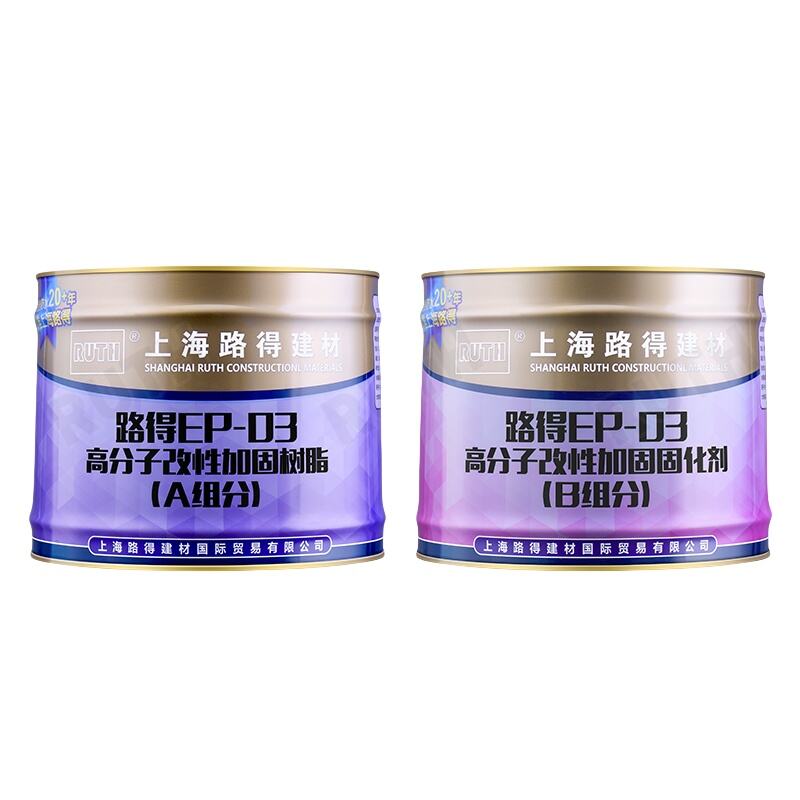
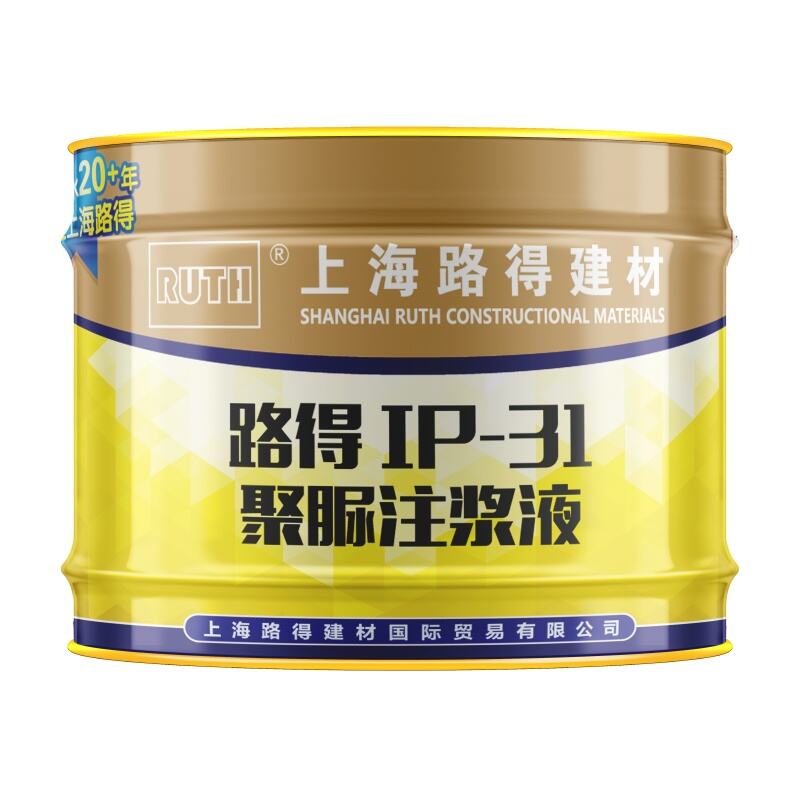
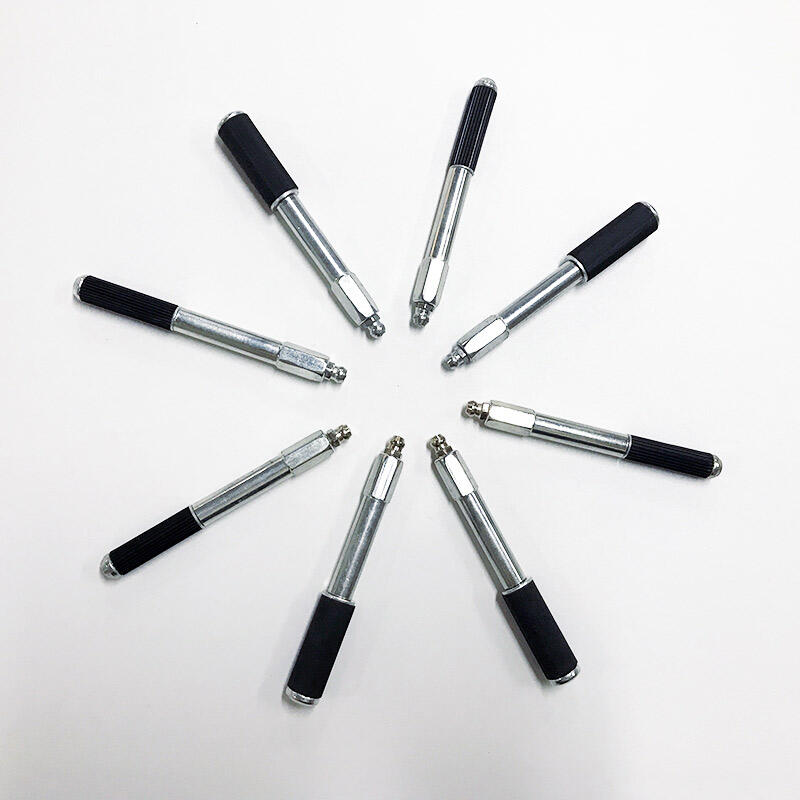
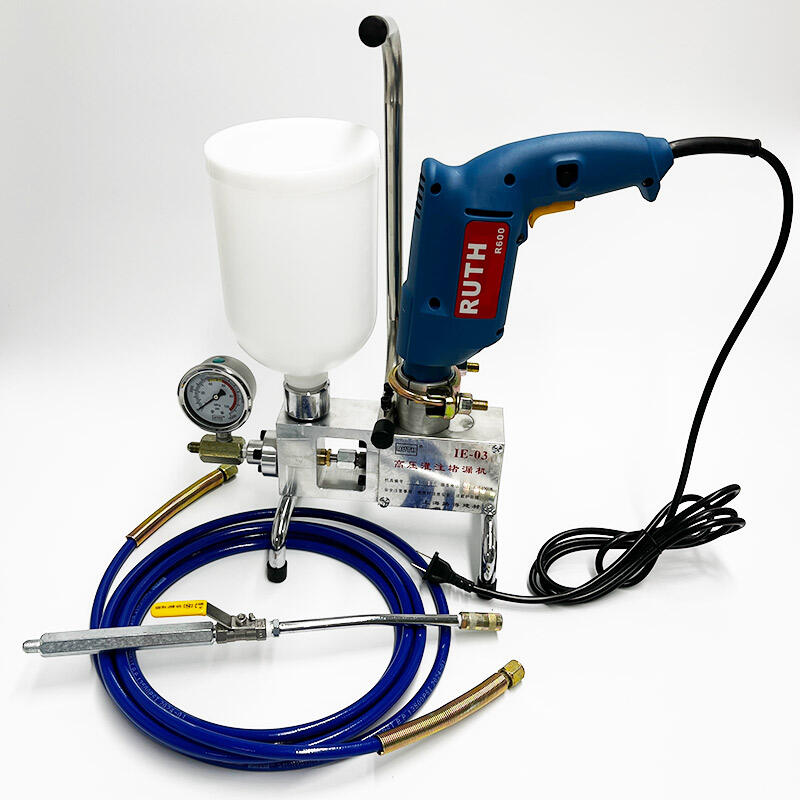
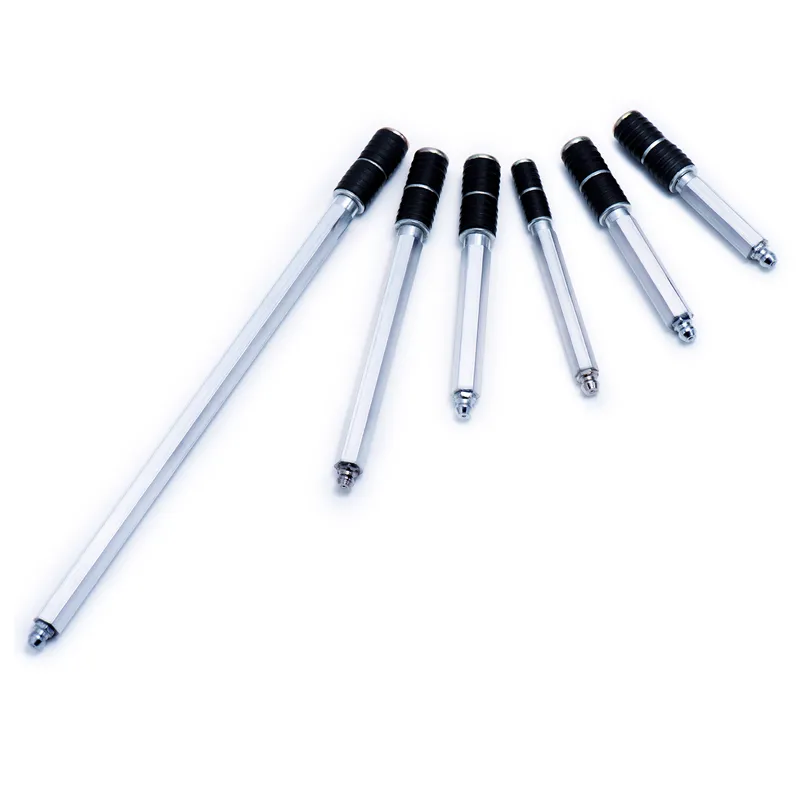
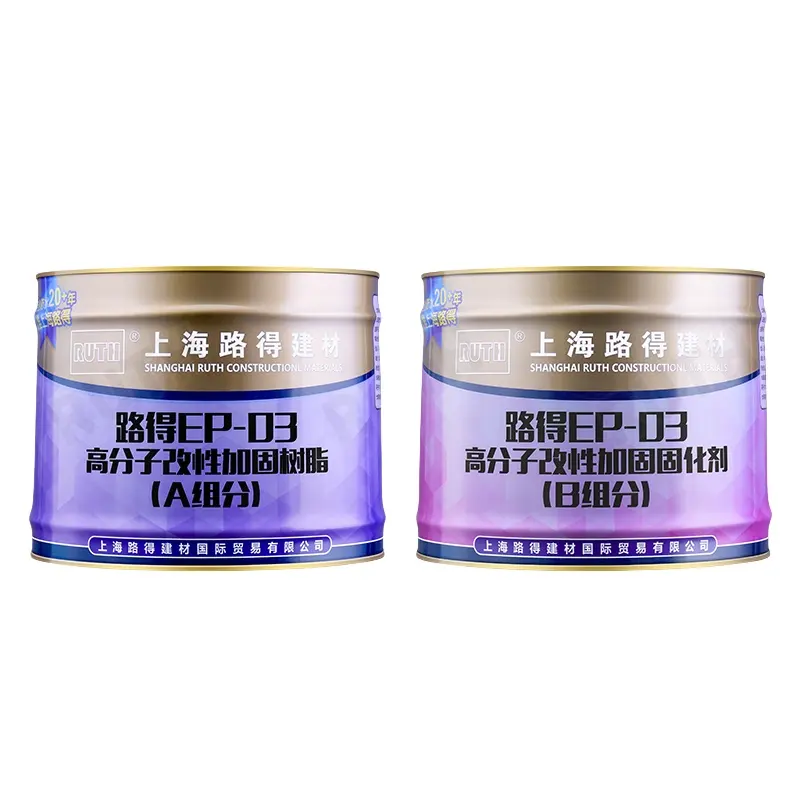
polyurethane grout injection for waterproofing
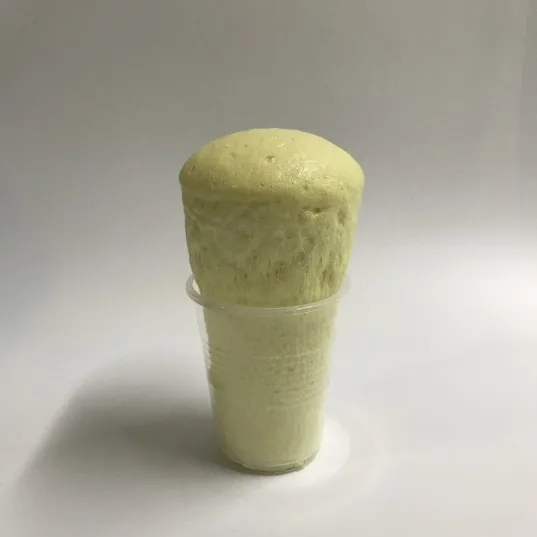
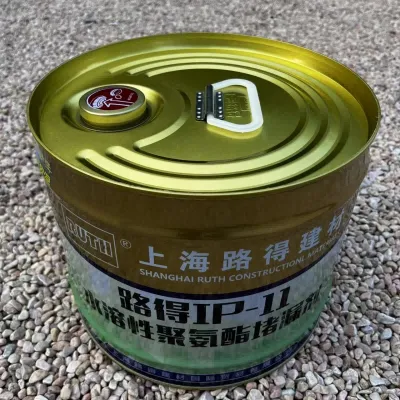
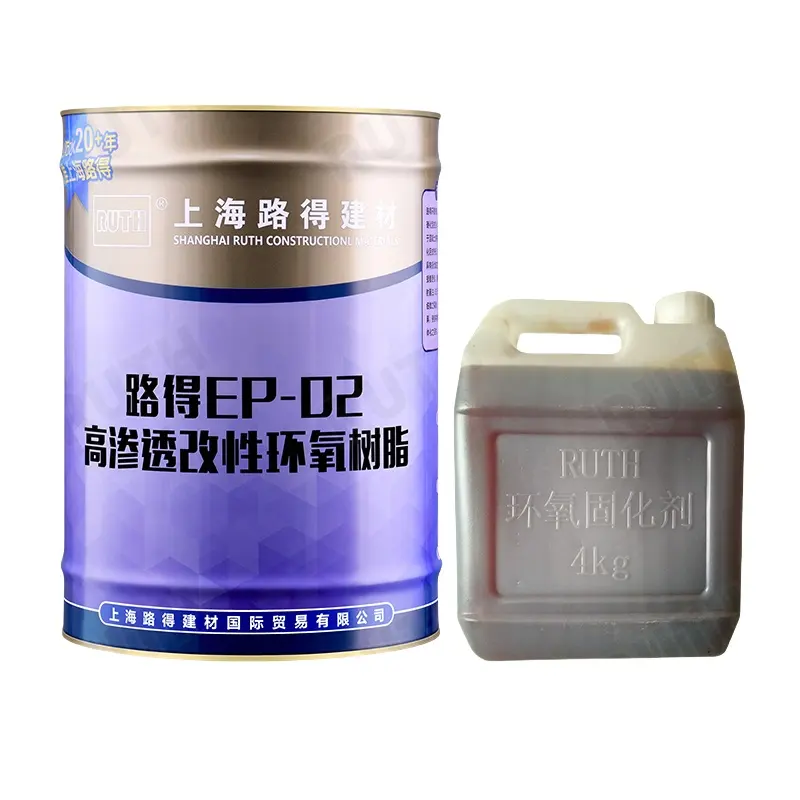
Polyurethane grout injection for waterproofing represents a cutting-edge solution designed to address water infiltration problems in concrete structures, basements, tunnels, and various construction projects. This advanced waterproofing technology involves injecting specialized polyurethane-based materials into cracks, joints, and porous areas within concrete and masonry structures to create an impermeable barrier against water penetration. The primary function of polyurethane grout injection for waterproofing centers on stopping active leaks and preventing future water damage by forming flexible, durable seals that adapt to structural movement. This innovative waterproofing method utilizes chemical reactions between polyurethane compounds and water to expand and fill voids, creating comprehensive protection against moisture intrusion. The technological features of polyurethane grout injection for waterproofing include its ability to penetrate deep into hairline cracks, expand upon contact with moisture, and maintain flexibility throughout temperature fluctuations and structural settling. The material bonds effectively with concrete, stone, and brick surfaces while remaining resistant to chemical degradation and environmental factors. Applications for polyurethane grout injection for waterproofing span numerous sectors including residential basement waterproofing, commercial building foundation repair, infrastructure projects such as subway tunnels and parking garages, industrial facilities requiring moisture control, and historical building restoration where traditional waterproofing methods prove inadequate. The versatility of polyurethane grout injection for waterproofing makes it suitable for both preventive maintenance and emergency leak repair situations. Construction professionals frequently choose this waterproofing solution for its rapid curing properties, minimal disruption to existing structures, and long-term effectiveness in challenging environmental conditions. The technology proves particularly valuable in situations where external waterproofing access remains limited or impossible.

 EN
EN