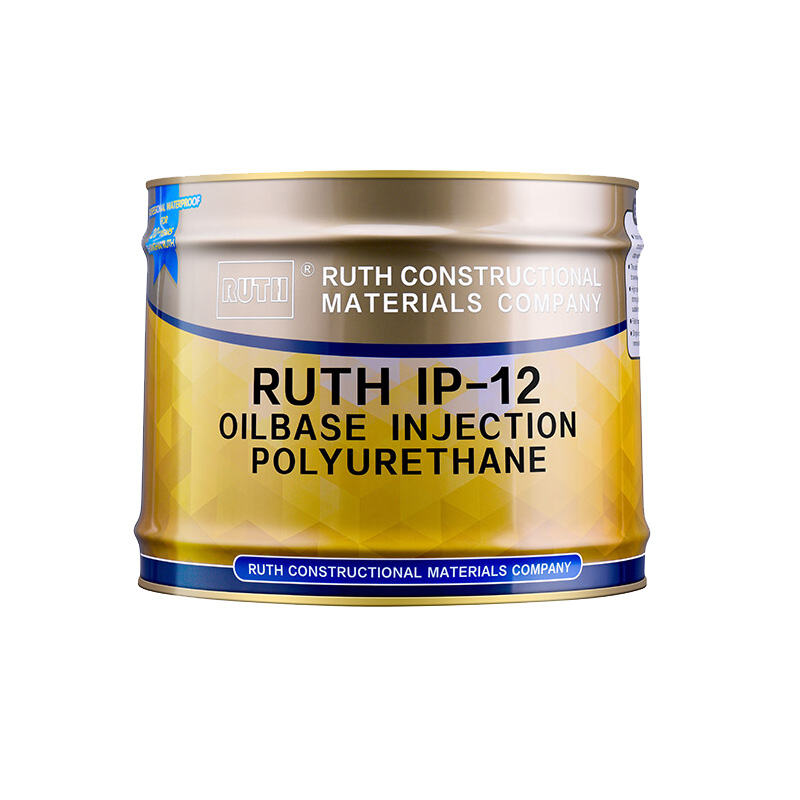
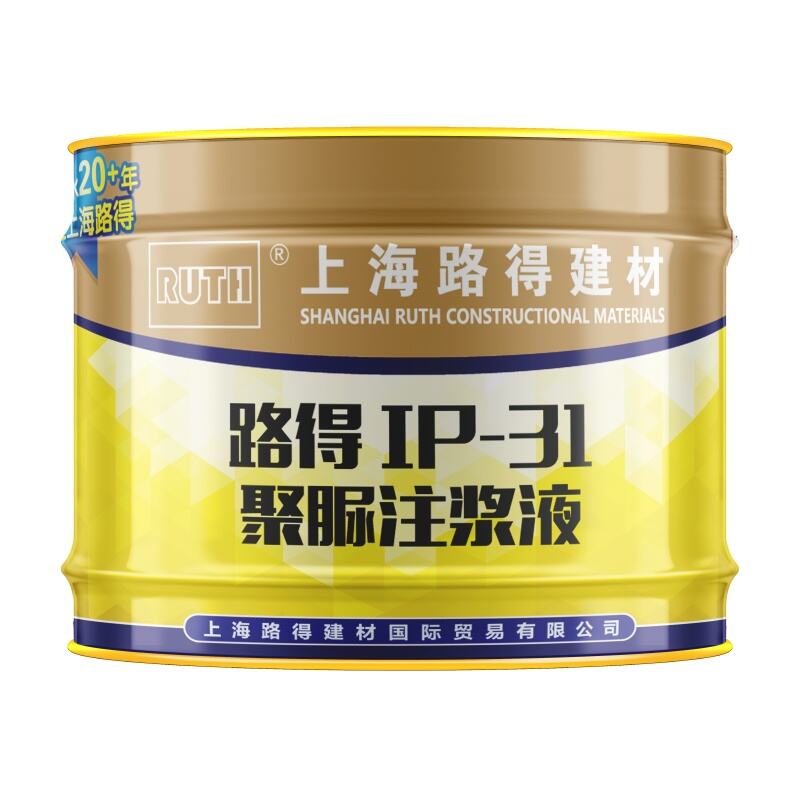
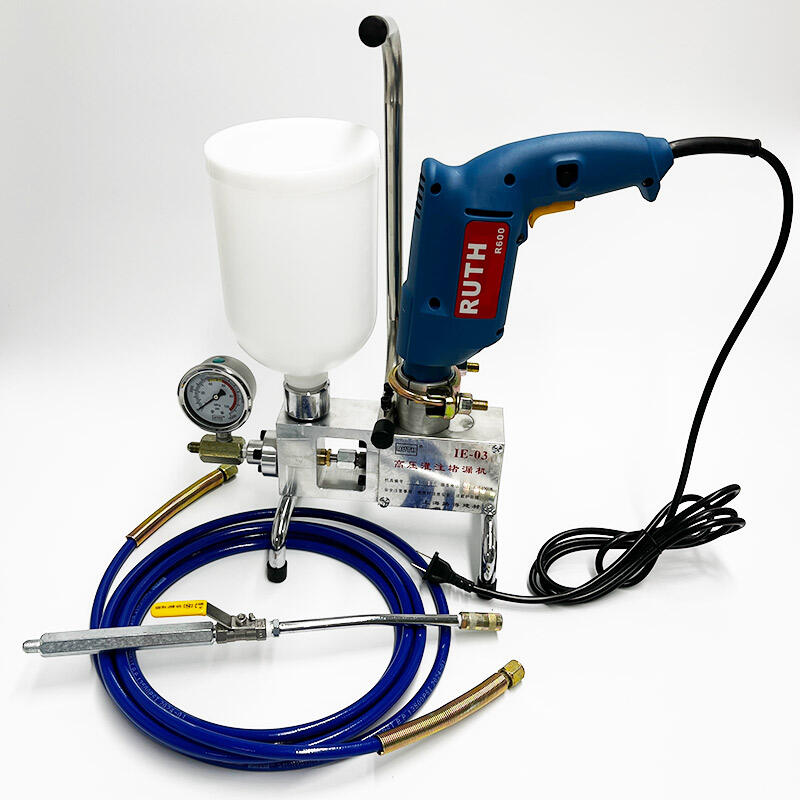
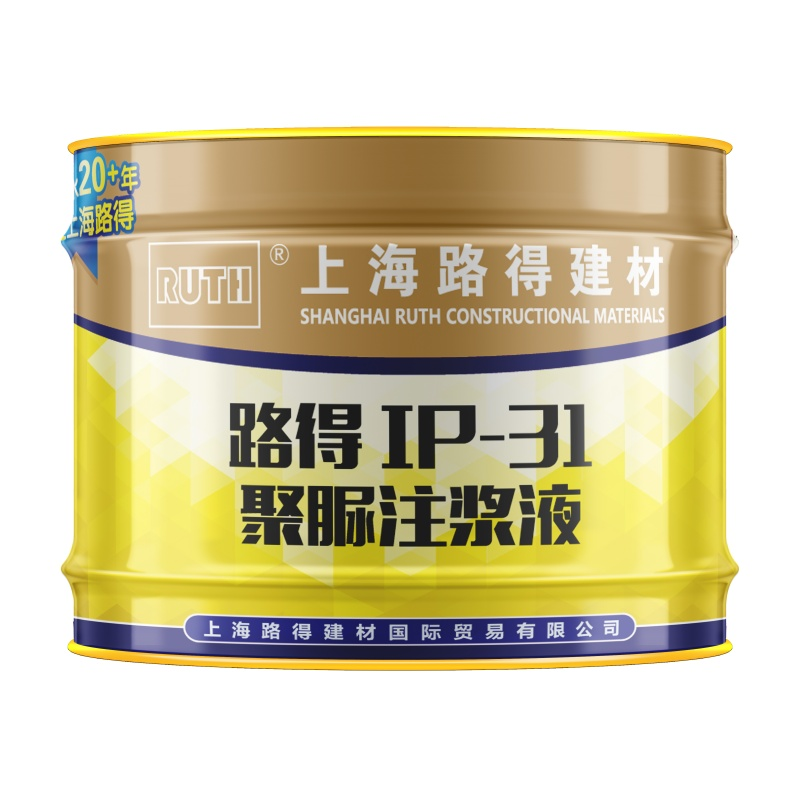
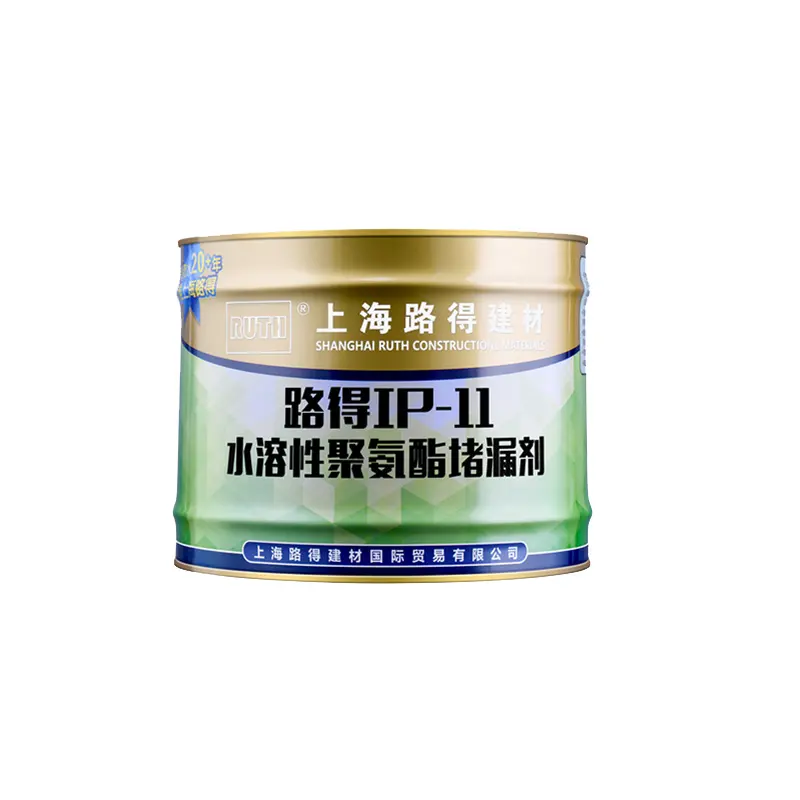
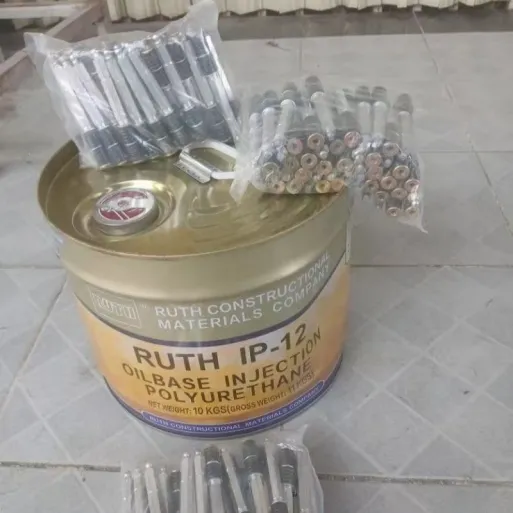
Premium Polyurethane Grout for Construction Concrete - Waterproofing & Structural Solutions

Get a Free Quote

Email
Name
Company Name
Message
0/1000

polyurethane grout for construction concrete

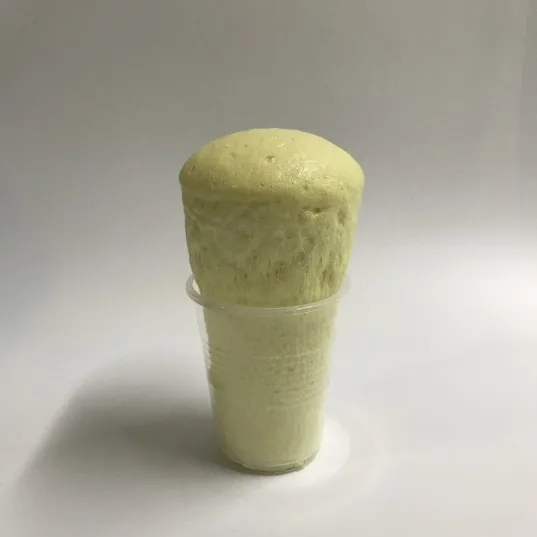
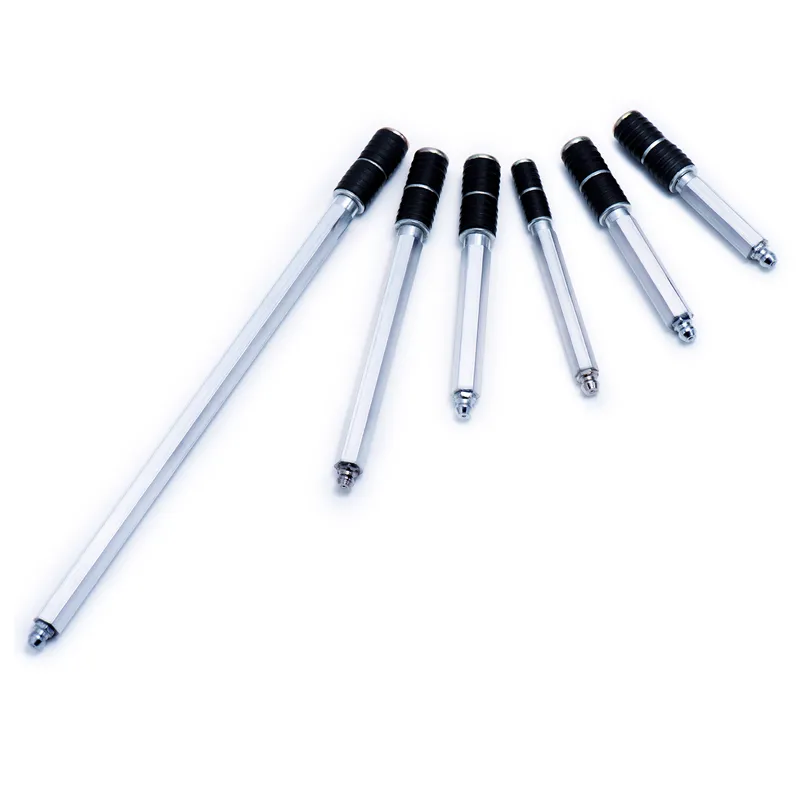
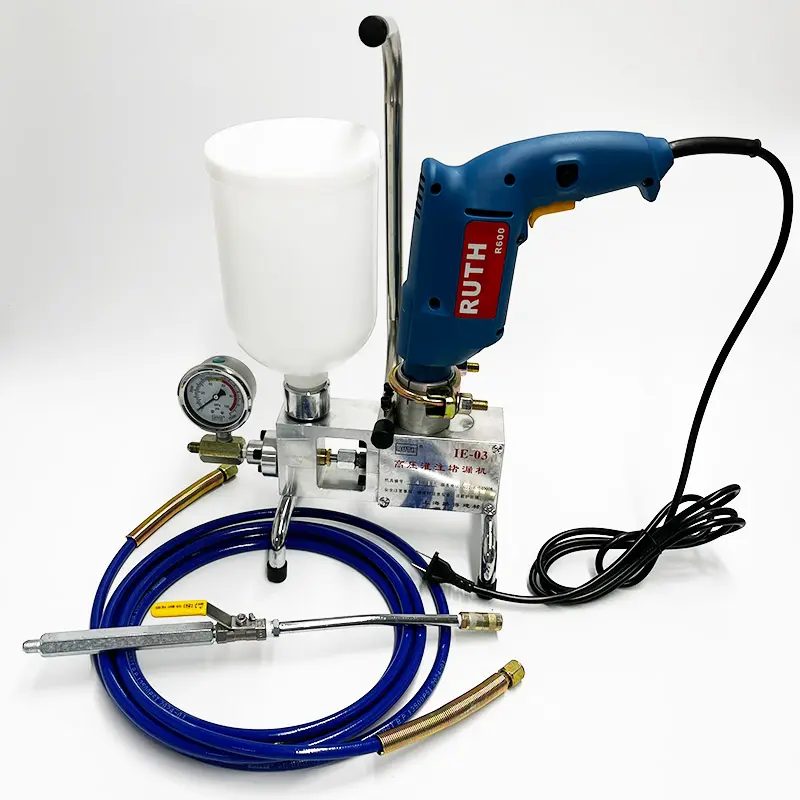
Polyurethane grout for construction concrete represents a revolutionary advancement in modern building technology, offering superior performance characteristics that significantly exceed traditional grouting materials. This specialized chemical grouting solution is engineered to provide exceptional structural integrity, waterproofing capabilities, and long-lasting durability in demanding construction environments. The primary function of polyurethane grout for construction concrete involves filling voids, cracks, and joints within concrete structures while creating impermeable barriers against water infiltration and chemical exposure. This advanced grouting system expands upon contact with water, forming a flexible yet robust seal that accommodates structural movement without compromising its protective properties. The technological features of polyurethane grout for construction concrete include rapid curing times, excellent adhesion to various substrates, and remarkable resistance to environmental factors such as freeze-thaw cycles, UV radiation, and chemical attack. Its unique molecular structure allows for controlled expansion rates, ensuring optimal filling of cavities and fissures without generating excessive pressure that could damage surrounding concrete. Construction applications for polyurethane grout span across multiple sectors including foundation waterproofing, tunnel lining, bridge deck rehabilitation, parking garage repairs, and industrial flooring systems. The material excels in both above-ground and below-ground installations, providing reliable performance in wet conditions where traditional cement-based grouts often fail. Professional contractors favor polyurethane grout for construction concrete due to its versatility in addressing both structural and waterproofing challenges simultaneously. The injection process is streamlined and efficient, requiring minimal equipment while delivering consistent results across varying project scales. Temperature stability ensures reliable performance in extreme climate conditions, making it suitable for projects in diverse geographic locations. This innovative grouting technology transforms how construction professionals approach concrete repair and waterproofing, delivering cost-effective solutions that extend structural lifespan while reducing maintenance requirements.


New Product Releases

Polyurethane grout for construction concrete delivers remarkable benefits that transform project outcomes and provide exceptional value for construction professionals and property owners alike. The waterproofing capabilities stand out as the most significant advantage, creating permanent barriers against moisture penetration that protect structural elements from costly water damage. Unlike traditional materials that deteriorate over time, polyurethane grout for construction concrete maintains its protective properties for decades, eliminating recurring repair costs and minimizing maintenance disruptions. The flexibility of this grouting system accommodates natural building movements, thermal expansion, and settling without cracking or losing adhesion, ensuring continuous protection throughout the structure's lifecycle. Installation efficiency represents another major benefit, as polyurethane grout for construction concrete requires less labor time compared to conventional methods while achieving superior results. The material flows easily into narrow spaces and complex geometries, reaching areas that other grouting products cannot access effectively. This comprehensive coverage eliminates potential weak points where water infiltration might occur, providing peace of mind for building owners and occupants. Cost savings accumulate over time through reduced maintenance requirements and extended structural lifespan, making polyurethane grout for construction concrete an intelligent long-term investment. The chemical resistance properties protect against aggressive substances commonly found in industrial and commercial environments, including oils, acids, and deicing salts that typically cause rapid deterioration in standard concrete repairs. Environmental benefits include reduced waste generation through longer-lasting repairs and lower energy consumption during installation processes. The lightweight nature of cured polyurethane grout for construction concrete adds minimal structural load while providing maximum protection, making it ideal for rehabilitation projects where weight restrictions apply. Quality control becomes simplified as the consistent performance characteristics eliminate variables that affect other grouting materials. Project schedules benefit from rapid curing times that allow faster construction progression without compromising quality. Professional contractors appreciate the predictable working properties and reliable outcomes that polyurethane grout for construction concrete delivers across diverse project types and environmental conditions, building reputation and client satisfaction through consistently excellent results.

Practical Tips

What Are the Key Advantages of Polyurea Grout in Infrastructure Repair?

10

Feb

What Are the Key Advantages of Polyurea Grout in Infrastructure Repair?

Infrastructure repair and maintenance represent critical challenges in modern construction and civil engineering. Among the numerous materials available for structural restoration, polyurea grout has emerged as a revolutionary solution that addresses...
View More
How Do Large Projects Benefit from Hydrophobic Polyurethane Grouting?

16

Feb

How Do Large Projects Benefit from Hydrophobic Polyurethane Grouting?

Large-scale construction and infrastructure projects face numerous challenges when it comes to water infiltration and structural integrity. From underground tunnels and basements to industrial facilities and marine structures, preventing water damage...
View More
Why Is Hydrophobic Polyurethane Suitable for Permanent Waterproofing?

16

Mar

Why Is Hydrophobic Polyurethane Suitable for Permanent Waterproofing?

In the construction and infrastructure industry, achieving long-lasting waterproofing solutions remains a critical challenge for engineers and contractors worldwide. Traditional waterproofing methods often fall short when exposed to harsh environment...
View More
How Do Contractors Choose Hydrophilic Polyurethane for Wet Conditions?

25

Mar

How Do Contractors Choose Hydrophilic Polyurethane for Wet Conditions?

Waterproofing in wet conditions presents unique challenges that demand specialized solutions. When contractors face persistent moisture issues, concrete joints, and foundation leaks, selecting the right sealant becomes critical for project success. H...
View More

Get a Free Quote

Email
Name
Company Name
Message
0/1000

polyurethane grout for construction concrete

Superior Waterproofing Performance and Durability

Superior Waterproofing Performance and Durability

The exceptional waterproofing performance of polyurethane grout for construction concrete stems from its unique chemical composition that creates impermeable barriers capable of withstanding extreme hydrostatic pressure while maintaining flexibility over extended periods. This advanced grouting system forms molecular bonds with concrete substrates that resist degradation from continuous water exposure, freeze-thaw cycles, and chemical attack from groundwater contaminants. Professional waterproofing contractors rely on polyurethane grout for construction concrete because it eliminates the common failure modes associated with rigid waterproofing materials that crack under structural movement or thermal stress. The expanded polymer structure creates a continuous membrane that bridges cracks and voids without creating weak points where leakage might develop over time. Laboratory testing demonstrates that properly installed polyurethane grout for construction concrete maintains its waterproofing integrity for over 50 years under normal service conditions, providing exceptional return on investment for building owners. The material's resistance to root penetration makes it particularly valuable for below-grade applications where vegetation might compromise traditional waterproofing systems. Construction projects benefit from the permanent nature of this waterproofing solution, as it eliminates the need for periodic reapplication or maintenance that disrupts building operations and generates ongoing costs. The flexibility of cured polyurethane grout for construction concrete allows it to accommodate structural movements up to 25% elongation without losing its waterproofing properties, ensuring continuous protection even in seismically active regions or structures subject to significant thermal expansion. Quality assurance becomes simplified because the performance characteristics remain consistent regardless of installation conditions or substrate variations. Property owners appreciate the peace of mind that comes from knowing their waterproofing system will perform reliably without requiring frequent inspections or preventive maintenance. The long-term durability of polyurethane grout for construction concrete makes it the preferred choice for critical applications where waterproofing failure would result in significant property damage or operational disruptions.
Rapid Installation and Versatile Application Methods

Rapid Installation and Versatile Application Methods

The installation advantages of polyurethane grout for construction concrete revolutionize project timelines and reduce labor costs while delivering superior results compared to traditional grouting methods. Professional contractors appreciate how quickly they can complete waterproofing and structural repair projects using this advanced material, as the low viscosity allows for easy injection into narrow cracks and complex geometries without requiring extensive surface preparation or specialized equipment. The working time characteristics of polyurethane grout for construction concrete provide sufficient opportunity for proper placement while allowing rapid progression to subsequent construction phases, minimizing project delays and reducing overall construction duration. Versatile application methods accommodate various project requirements, from high-pressure injection for deep crack repair to low-pressure grouting for void filling and waterproofing applications. Construction teams can adapt their approach based on specific site conditions without compromising performance or requiring different materials. The self-leveling properties ensure uniform distribution throughout the treatment area, eliminating voids or weak spots that might develop with manually placed materials. Temperature tolerance during installation allows year-round construction schedules, as polyurethane grout for construction concrete performs reliably in conditions ranging from near-freezing to high summer temperatures. Quality control improves because the visual indicators during installation provide immediate feedback about coverage and penetration, allowing contractors to adjust techniques in real-time for optimal results. The compatibility with existing concrete structures eliminates the need for extensive demolition or reconstruction, making rehabilitation projects more economical and less disruptive to building operations. Project managers value the predictable installation rates that facilitate accurate scheduling and resource allocation, while the minimal cleanup requirements reduce overall project costs. The ability to inject polyurethane grout for construction concrete through small access holes preserves architectural finishes and reduces restoration work after completion. Multiple injection points can be addressed simultaneously by small crews, maximizing productivity while maintaining consistent quality standards across the entire project area.
Enhanced Structural Integrity and Load Distribution

Enhanced Structural Integrity and Load Distribution

The structural enhancement capabilities of polyurethane grout for construction concrete extend far beyond simple void filling, providing significant improvements to load-bearing capacity and overall structural performance that benefit both new construction and rehabilitation projects. The chemical bonding mechanism creates intimate contact between the grout and existing concrete, effectively increasing the cross-sectional area available for load transfer while eliminating stress concentrations that occur at void locations. Structural engineers recognize that polyurethane grout for construction concrete contributes meaningfully to the composite strength of repaired structures, allowing for reduced reinforcement requirements in some applications while improving safety factors in others. The elastic modulus of cured polyurethane closely matches that of concrete, ensuring compatible deformation characteristics under service loads without creating differential stresses that could lead to premature failure. Construction projects involving foundation underpinning benefit significantly from the load distribution properties of polyurethane grout for construction concrete, as the material can transfer loads through weak soil layers to more competent bearing strata. The ability to inject material under controlled pressure allows contractors to pre-stress repair areas, potentially restoring or exceeding original structural capacity in damaged concrete elements. Fatigue resistance becomes particularly important in dynamic loading situations such as bridge decks or industrial floors, where polyurethane grout for construction concrete demonstrates superior performance compared to rigid repair materials that develop stress cracks over time. The lightweight nature of the cured material adds minimal dead load to existing structures while providing maximum reinforcement benefit, making it ideal for historic buildings or structures with limited reserve capacity. Seismic performance improves because the flexibility of polyurethane grout for construction concrete allows structures to dissipate earthquake energy without brittle failure modes that characterize other repair materials. Quality assurance testing confirms that bonded assemblies consistently exceed minimum strength requirements while providing predictable performance characteristics that structural engineers can confidently incorporate into their calculations. The long-term stability ensures that structural improvements remain effective throughout the design life of the building, providing sustained value and safety benefits for occupants and owners.

Get a Free Quote

Email
Name
Company Name
Message
0/1000
Newsletter
Please Leave A Message With Us