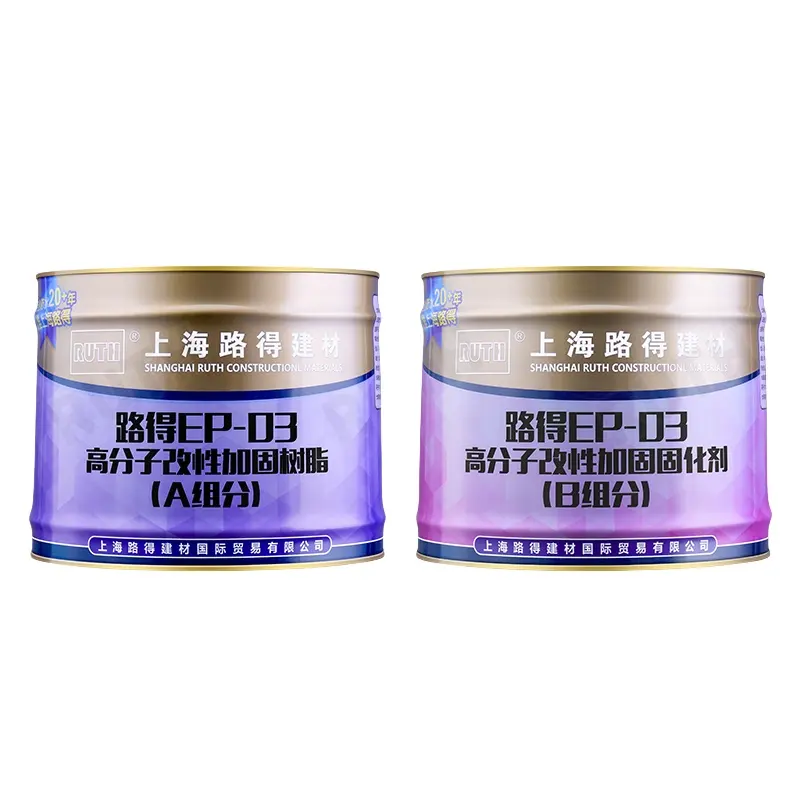
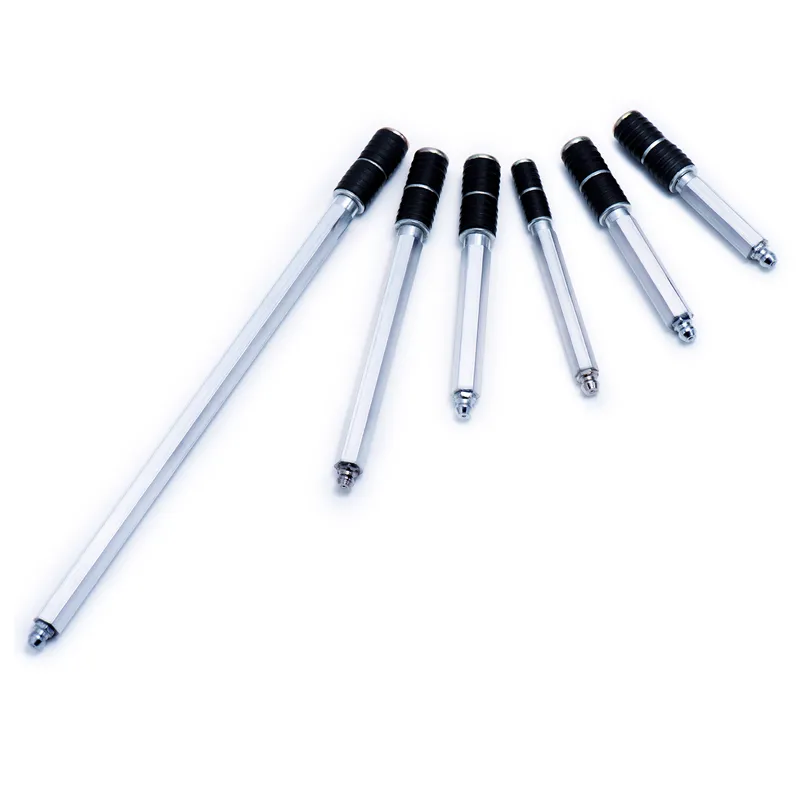
acrylate gel injection
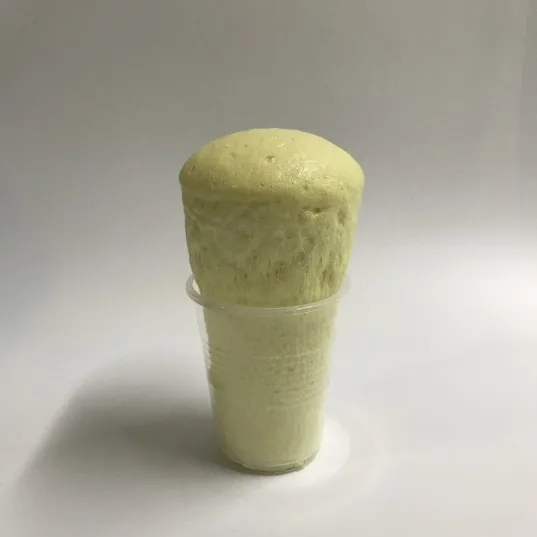
Acrylate gel injection represents a cutting-edge waterproofing and ground stabilization technology that has revolutionized underground construction and remedial engineering applications. This advanced chemical grouting system utilizes polyurethane acrylate polymers that react with water to form a flexible, impermeable gel barrier. The acrylate gel injection process involves the precise injection of specialized chemical formulations into soil, rock formations, or structural voids to create effective sealing solutions. The technology operates through a controlled chemical reaction where the acrylate compounds polymerize upon contact with moisture, expanding to fill cracks, fissures, and porous materials. This innovative approach provides superior performance in challenging ground conditions where traditional waterproofing methods prove inadequate. The main functions of acrylate gel injection include water ingress control, soil stabilization, void filling, and structural reinforcement. The system demonstrates exceptional versatility in addressing various geological challenges, from fine sand infiltration to major water leakage issues. Technological features encompass low viscosity formulations that penetrate effectively into small openings, controllable gel times ranging from seconds to hours, and excellent chemical resistance properties. The injection process utilizes specialized equipment that ensures precise mixing ratios and controlled delivery pressure. Applications span across tunnel construction, basement waterproofing, mine sealing, dam rehabilitation, and underground infrastructure projects. The acrylate gel injection method proves particularly effective in dynamic water conditions where static sealants fail. Environmental considerations include the use of non-toxic formulations that comply with stringent safety regulations. The technology offers remarkable adaptability to different soil types, from clay to granular materials, making it an essential tool for modern construction challenges.

 EN
EN