epoxy for seal concrete cracks
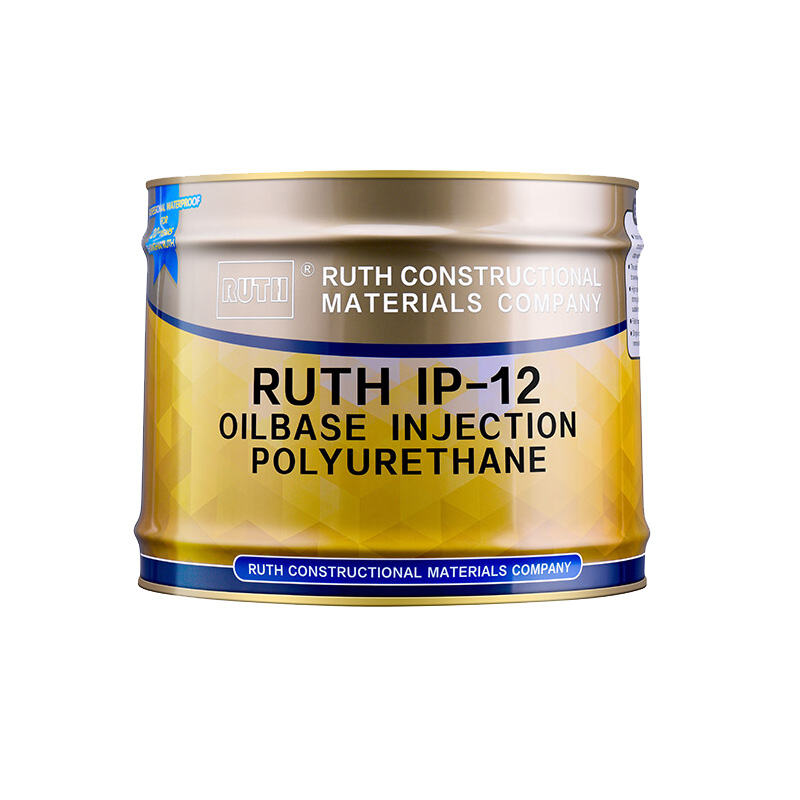
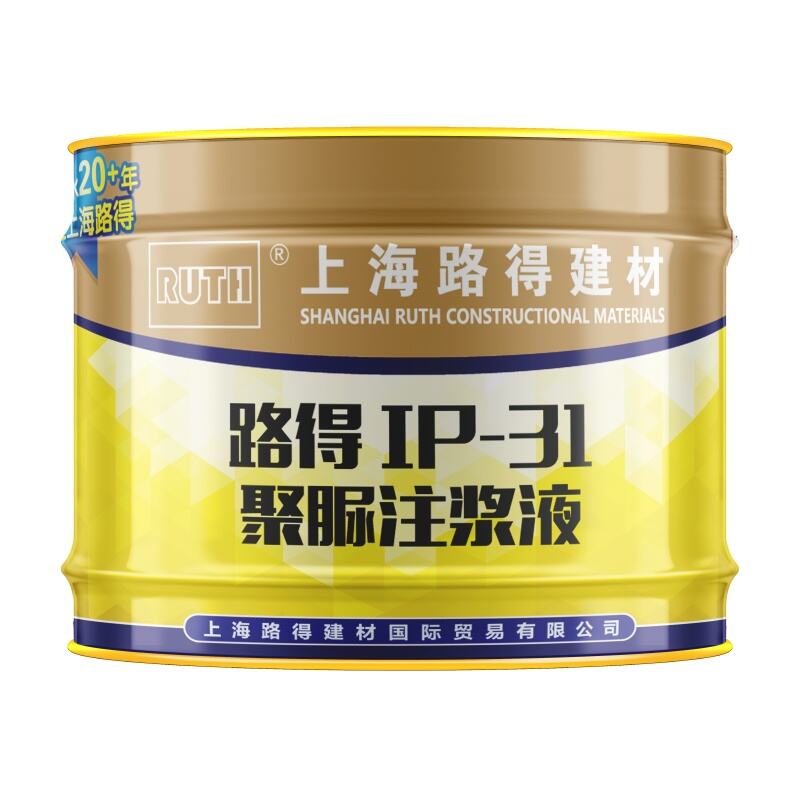
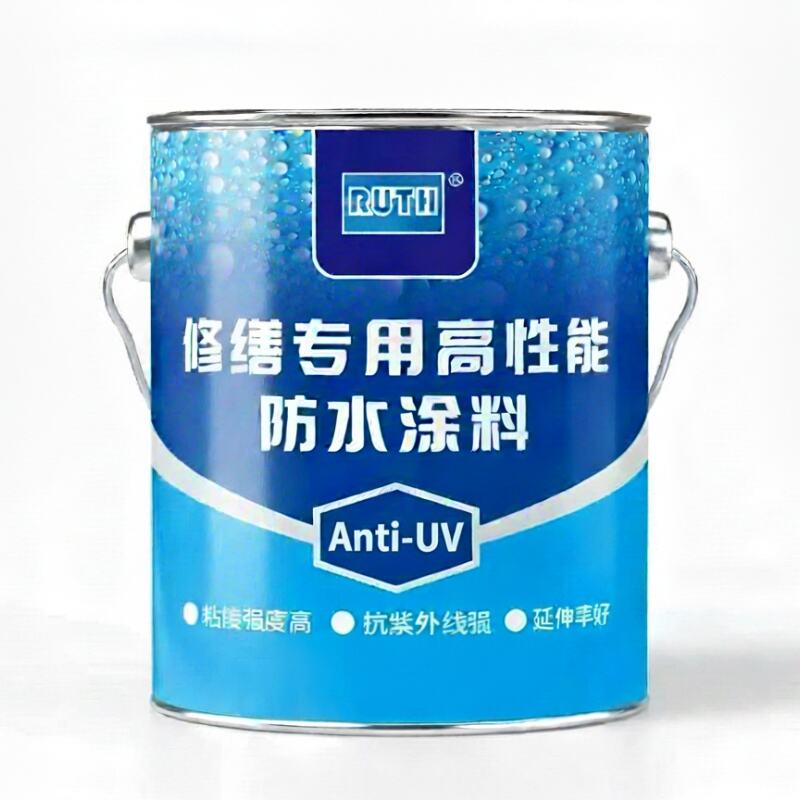
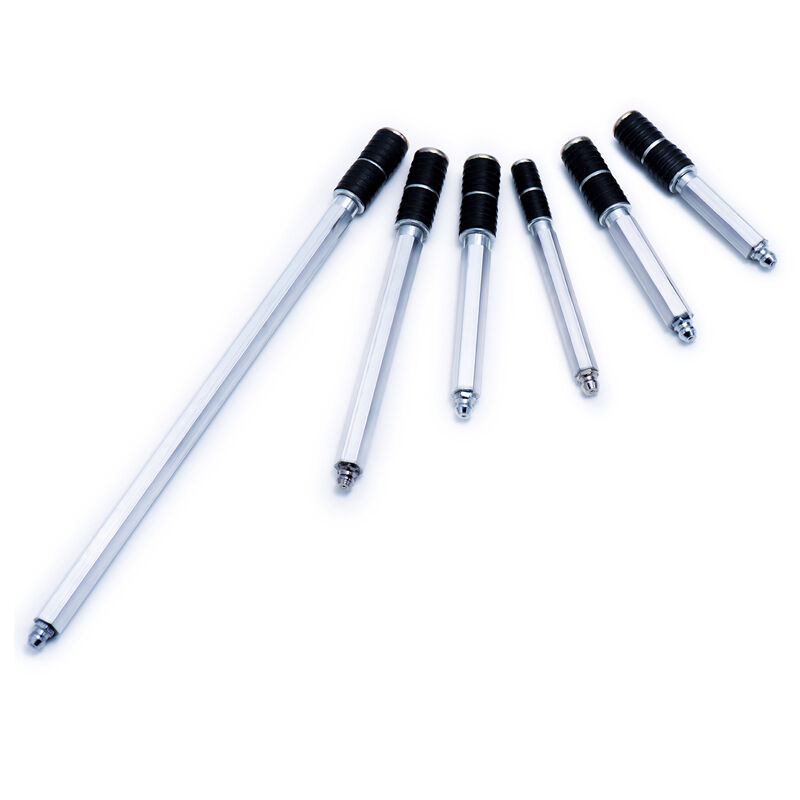
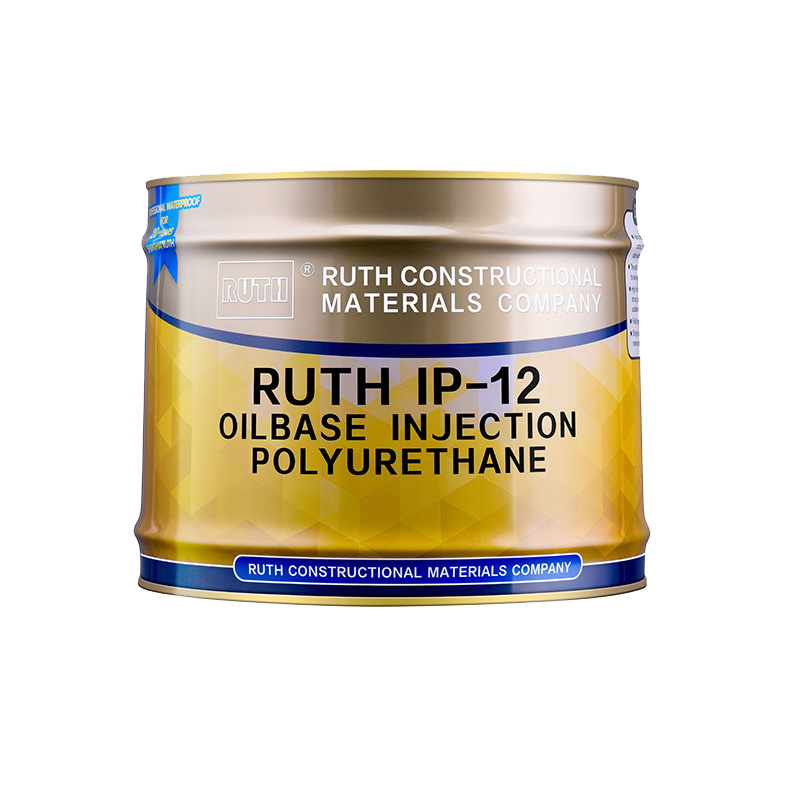
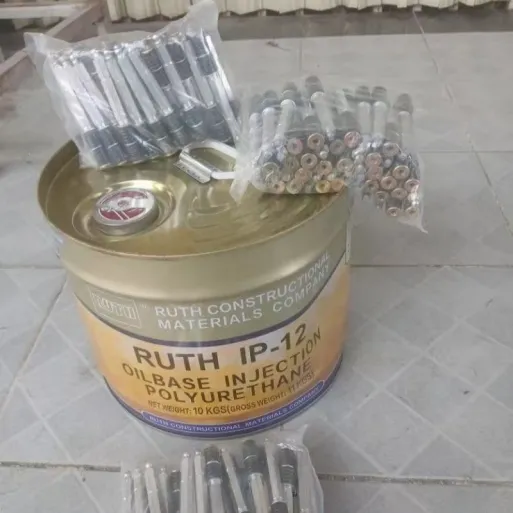
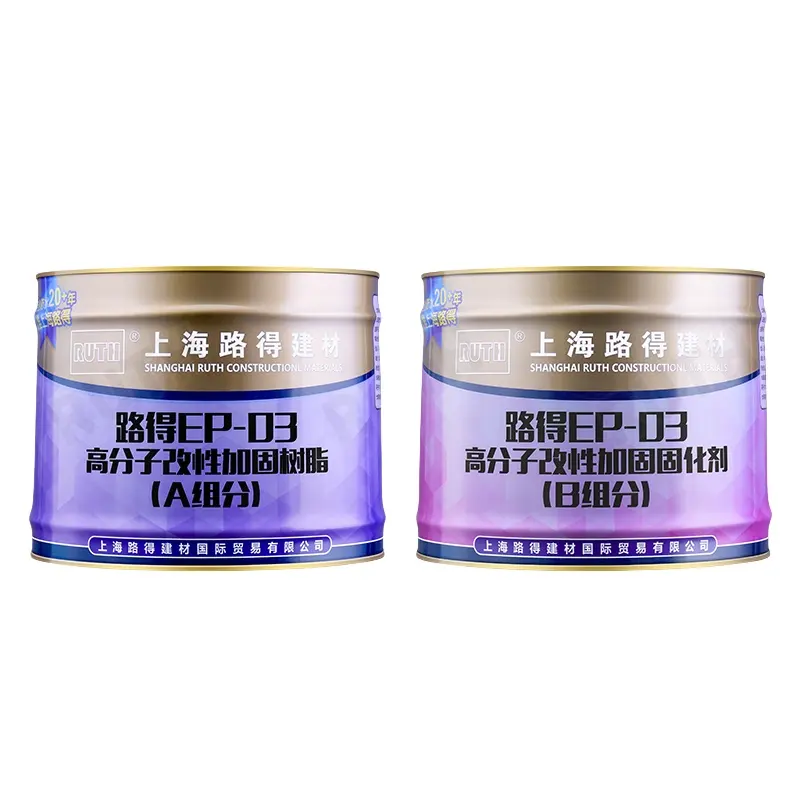
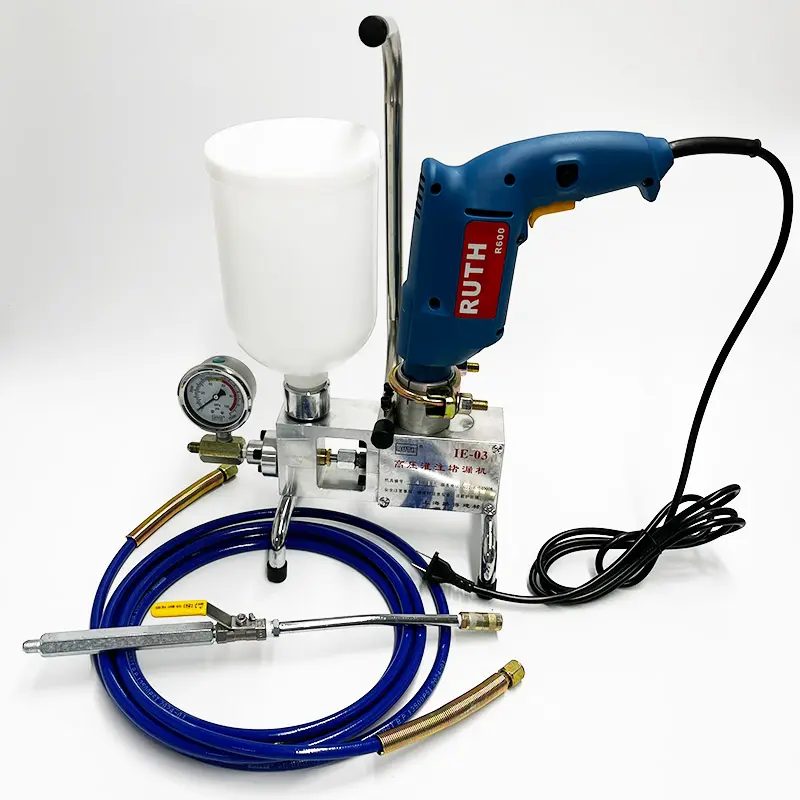
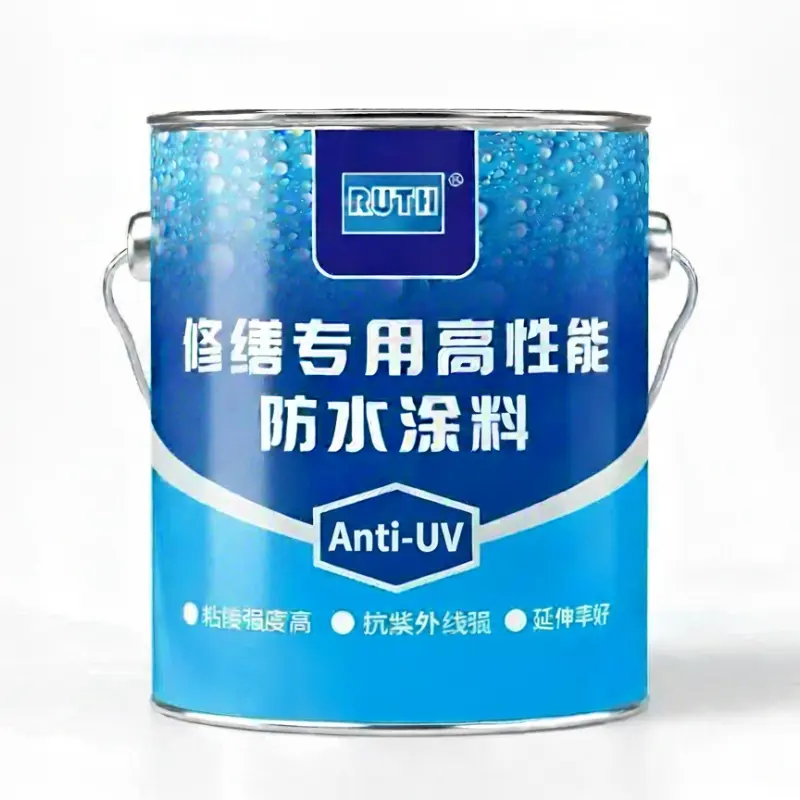
Epoxy for seal concrete cracks represents a revolutionary solution in structural repair technology, designed to restore the integrity and durability of concrete surfaces effectively. This specialized epoxy formulation penetrates deeply into crack systems, creating permanent bonds that prevent moisture infiltration, chemical penetration, and further structural deterioration. The primary function of epoxy for seal concrete cracks involves chemical bonding at the molecular level, where low-viscosity resins flow into hairline fractures and wider gaps, curing into rigid, waterproof barriers. Technological features include superior adhesion properties, exceptional compressive strength ratings exceeding 12,000 PSI, and temperature resistance spanning from -40°F to 180°F. The epoxy for seal concrete cracks utilizes advanced polymer chemistry that ensures compatibility with various concrete compositions, including standard Portland cement, reinforced concrete, and pre-cast elements. Applications encompass residential foundations, commercial buildings, industrial floors, bridge structures, parking garages, and marine installations. The epoxy for seal concrete cracks demonstrates remarkable versatility across diverse environmental conditions, from basement waterproofing to highway infrastructure maintenance. Professional contractors and facility managers rely on this epoxy for seal concrete cracks because it eliminates costly replacement procedures while extending structural service life significantly. The curing mechanism transforms liquid epoxy into solid material that matches concrete thermal expansion properties, preventing stress concentrations that could initiate new fractures. Quality epoxy for seal concrete cracks incorporates UV stabilizers, corrosion inhibitors, and freeze-thaw additives that enhance long-term performance under challenging exposure conditions. Installation procedures accommodate both gravity-fed injection methods and pressure injection systems, allowing technicians to select optimal application techniques based on crack geometry and accessibility requirements.

 EN
EN