High-Performance Epoxy Bond Grout: Superior Strength, Chemical Resistance & Fast Installation Solutions

Get a Free Quote

Email
Name
Company Name
Message
0/1000

epoxy bond grout

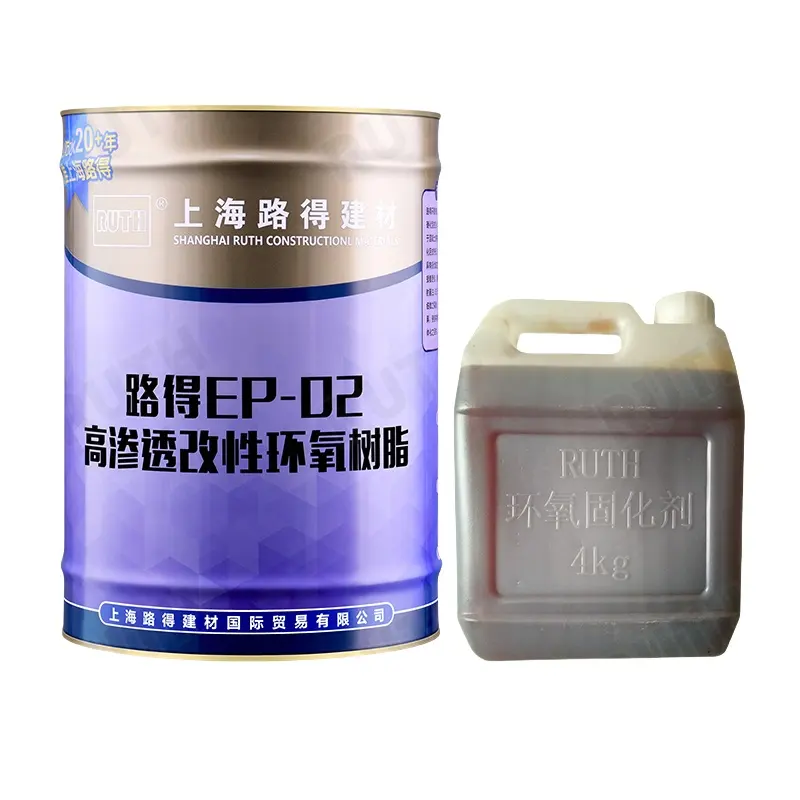
Epoxy bond grout represents a revolutionary advancement in construction and maintenance materials, offering superior performance characteristics that surpass traditional cement-based alternatives. This specialized two-component system combines epoxy resins with carefully selected aggregates to create an exceptionally durable and versatile bonding solution. The primary function of epoxy bond grout centers on providing structural connections between concrete elements, filling gaps in masonry work, and creating permanent repairs in damaged surfaces. Its chemical composition enables it to form molecular bonds with substrates, resulting in connections that often exceed the strength of the original materials themselves. The technological features of epoxy bond grout include rapid curing capabilities, excellent chemical resistance, and remarkable adhesion properties. Unlike conventional grouts that rely on mechanical interlocking, this advanced material creates chemical bonds at the molecular level, ensuring long-lasting performance even under extreme conditions. The formulation incorporates high-strength polymers that maintain flexibility while providing exceptional compressive and tensile strength ratings. Temperature resistance stands as another crucial technological advantage, with most epoxy bond grout formulations maintaining structural integrity across wide temperature ranges. This makes the material suitable for both indoor and outdoor applications where thermal cycling occurs regularly. The low shrinkage characteristics prevent crack formation during curing, while the non-porous final surface resists moisture penetration and chemical attack. Applications for epoxy bond grout span numerous industries and project types. Construction professionals utilize this material for structural repairs, anchor bolt installations, and equipment mounting applications. Infrastructure projects benefit from its ability to create permanent connections in bridge repairs, tunnel linings, and foundation work. Manufacturing facilities rely on epoxy bond grout for machinery installations where vibration resistance and precision alignment are critical. The marine industry values its resistance to saltwater corrosion, making it ideal for dock repairs and underwater applications. Additionally, the material serves effectively in residential projects for tile installation, crack repairs, and waterproofing applications where durability and appearance matter equally.


New Products

The advantages of epoxy bond grout extend far beyond basic bonding capabilities, delivering measurable benefits that directly impact project success and long-term performance. Cost savings represent one of the most compelling advantages for property owners and contractors alike. While the initial material cost may exceed traditional alternatives, epoxy bond grout eliminates the need for frequent repairs and replacements, resulting in significantly lower lifecycle costs. Projects completed with this advanced material typically require minimal maintenance over decades, reducing labor costs and minimizing disruption to operations. The time-saving benefits become apparent immediately during installation. Epoxy bond grout cures rapidly, allowing projects to proceed without extended waiting periods that often plague construction schedules. Most formulations reach handling strength within hours rather than days, enabling faster project completion and earlier return to service. This rapid turnaround translates directly into reduced labor costs and increased productivity for construction teams. Durability stands as perhaps the most significant practical benefit for end users. Epoxy bond grout maintains its structural integrity under conditions that would cause traditional materials to fail. The chemical resistance properties protect against acids, alkalis, oils, and other aggressive substances commonly encountered in industrial environments. This resistance extends the service life of repairs and installations, providing peace of mind for facility managers and property owners. The versatility of epoxy bond grout allows contractors to use a single product for multiple applications, simplifying inventory management and reducing training requirements. Whether the project involves structural repairs, equipment mounting, or decorative installations, this material adapts to various requirements while maintaining consistent performance standards. Environmental benefits also contribute to its appeal among environmentally conscious builders and facility managers. The long service life reduces material consumption over time, while the chemical stability prevents leaching of harmful substances into soil or groundwater. Many formulations contain low volatile organic compound levels, supporting indoor air quality objectives in occupied buildings. Weather resistance provides another practical advantage that traditional materials cannot match. Epoxy bond grout performs consistently across extreme temperature ranges, from arctic conditions to desert environments. This reliability eliminates concerns about seasonal application restrictions and ensures consistent performance regardless of climate conditions. The ease of application, despite its advanced chemistry, makes epoxy bond grout accessible to contractors with varying experience levels, while its forgiving nature allows for corrections during installation when necessary.

Latest News

What Are the Key Advantages of Polyurea Grout in Infrastructure Repair?

10

Feb

What Are the Key Advantages of Polyurea Grout in Infrastructure Repair?

Infrastructure repair and maintenance represent critical challenges in modern construction and civil engineering. Among the numerous materials available for structural restoration, polyurea grout has emerged as a revolutionary solution that addresses...
View More
How Do Large Projects Benefit from Hydrophobic Polyurethane Grouting?

16

Feb

How Do Large Projects Benefit from Hydrophobic Polyurethane Grouting?

Large-scale construction and infrastructure projects face numerous challenges when it comes to water infiltration and structural integrity. From underground tunnels and basements to industrial facilities and marine structures, preventing water damage...
View More
What Are the Injection Requirements for Hydrophobic Polyurethane Materials?

20

Feb

What Are the Injection Requirements for Hydrophobic Polyurethane Materials?

Understanding the injection requirements for hydrophobic polyurethane materials is crucial for successful waterproofing and structural repair applications. These specialized materials offer exceptional resistance to water penetration while maintainin...
View More
How Does Hydrophobic Polyurethane Perform Compared to Hydrophilic Systems?

20

Mar

How Does Hydrophobic Polyurethane Perform Compared to Hydrophilic Systems?

Understanding the performance differences between hydrophobic polyurethane and hydrophilic systems is crucial for engineers, contractors, and facility managers making informed decisions about waterproofing and sealing solutions. While both systems of...
View More

Get a Free Quote

Email
Name
Company Name
Message
0/1000

epoxy bond grout

Unmatched Structural Strength and Load-Bearing Capacity

Unmatched Structural Strength and Load-Bearing Capacity

The exceptional structural strength of epoxy bond grout revolutionizes how construction professionals approach critical load-bearing applications and structural repairs. This advanced material achieves compressive strengths exceeding 12,000 PSI, surpassing most concrete formulations and providing reliable support for heavy equipment, structural elements, and high-stress connections. The molecular bonding mechanism creates intimate contact with substrate materials, distributing loads more effectively than mechanical fastening methods alone. Engineering studies demonstrate that properly installed epoxy bond grout connections often become the strongest points in structural assemblies, effectively transferring loads without stress concentrations that could lead to failure. The material's tensile strength characteristics complement its compressive capabilities, creating connections capable of handling complex multi-directional loading scenarios. This becomes particularly valuable in seismic zones where structures experience dynamic forces that would compromise traditional bonding materials. The load-bearing capacity extends beyond static applications to include dynamic and impact loading situations commonly encountered in industrial environments. Machinery installations benefit tremendously from this strength characteristic, as the grout can absorb vibrations while maintaining precise alignment tolerances required for sensitive equipment. The fatigue resistance properties ensure that repeated loading cycles do not degrade the bond integrity over time, making epoxy bond grout ideal for applications involving rotating machinery, conveyor systems, and other dynamic equipment. Quality control testing validates these strength claims through standardized procedures that measure both short-term and long-term performance under various loading conditions. The predictable strength development allows engineers to specify epoxy bond grout with confidence, knowing that design values will be achieved consistently across different installation conditions and environmental exposures. This reliability becomes crucial for critical infrastructure projects where structural failure could have catastrophic consequences.
Superior Chemical Resistance and Environmental Protection

Superior Chemical Resistance and Environmental Protection

Chemical resistance capabilities distinguish epoxy bond grout from conventional alternatives, providing long-term protection in aggressive environments where traditional materials deteriorate rapidly. The cross-linked polymer matrix creates an impervious barrier that resists penetration by acids, bases, solvents, and other corrosive substances commonly found in industrial facilities. Laboratory testing demonstrates resistance to concentrated sulfuric acid, sodium hydroxide solutions, petroleum products, and various organic chemicals without significant degradation of mechanical properties. This chemical immunity becomes particularly valuable in manufacturing plants, chemical processing facilities, and wastewater treatment systems where exposure to aggressive substances occurs regularly. The material maintains its structural integrity and bonding strength even after prolonged exposure to chemicals that would dissolve cement-based materials within weeks or months. Food processing facilities benefit from the non-porous surface characteristics that prevent bacterial growth and facilitate thorough cleaning with harsh sanitizing agents. The FDA-compliant formulations available for food-contact applications provide safe, durable solutions for equipment mounting and facility repairs in restaurants, breweries, and food manufacturing plants. Environmental protection extends beyond chemical resistance to include thermal cycling resistance and UV stability for outdoor applications. The polymer chemistry remains stable across temperature extremes, preventing thermal stress cracking that commonly affects other bonding materials. UV-stable formulations maintain color consistency and mechanical properties when exposed to direct sunlight, eliminating the need for protective coatings in many exterior applications. Freeze-thaw cycling tests confirm that epoxy bond grout maintains bond integrity through multiple thermal cycles that would cause traditional materials to spall and fail. The expansion characteristics closely match those of concrete and masonry substrates, preventing differential movement that could compromise bond integrity. Water absorption rates remain extremely low even after extended immersion, preventing internal pressure buildup during freeze cycles that could cause explosive failure in porous materials.
Rapid Installation and Minimal Downtime Requirements

Rapid Installation and Minimal Downtime Requirements

Installation efficiency represents a critical advantage of epoxy bond grout that directly impacts project timelines and operational continuity for businesses and facility managers. The fast-curing chemistry allows most applications to achieve sufficient strength for loading within 24 hours, compared to weeks required for conventional cement-based materials to reach design strength. This rapid strength development enables accelerated construction schedules and minimizes disruption to ongoing operations in occupied buildings and active industrial facilities. Emergency repairs become feasible with epoxy bond grout formulations designed for rapid strength gain, allowing critical equipment to return to service quickly and preventing extended production shutdowns that could cost thousands of dollars per hour. The material's workability characteristics provide generous open time for precise placement and adjustment, while the predictable gel time allows contractors to plan work efficiently without concerns about premature hardening. Temperature-compensated formulations maintain consistent working properties across seasonal variations, eliminating weather-related delays that commonly affect construction projects. The self-leveling properties of many epoxy bond grout formulations reduce labor requirements by eliminating the need for extensive finishing work, while the non-shrink characteristics prevent gaps and voids that would require additional remediation. Quality control becomes simplified through visual inspection of the uniform, void-free surface that results from proper installation. The forgiving nature of the material allows for minor adjustments during placement without compromising final strength, reducing the risk of costly reinstallation due to positioning errors. Cleanup procedures remain straightforward when proper techniques are followed, with uncured material removing easily with appropriate solvents while cured material provides permanent, maintenance-free service. Training requirements for installation crews remain minimal due to the intuitive mixing and placement procedures, while the consistent performance characteristics reduce variability between different installers and project sites.

Get a Free Quote

Email
Name
Company Name
Message
0/1000
Newsletter
Please Leave A Message With Us