Professional Geotechnical Polyurethane Foam Solutions - Advanced Soil Stabilization & Foundation Repair

Get a Free Quote

Email
Name
Company Name
Message
0/1000

geotechnical polyurethane foam

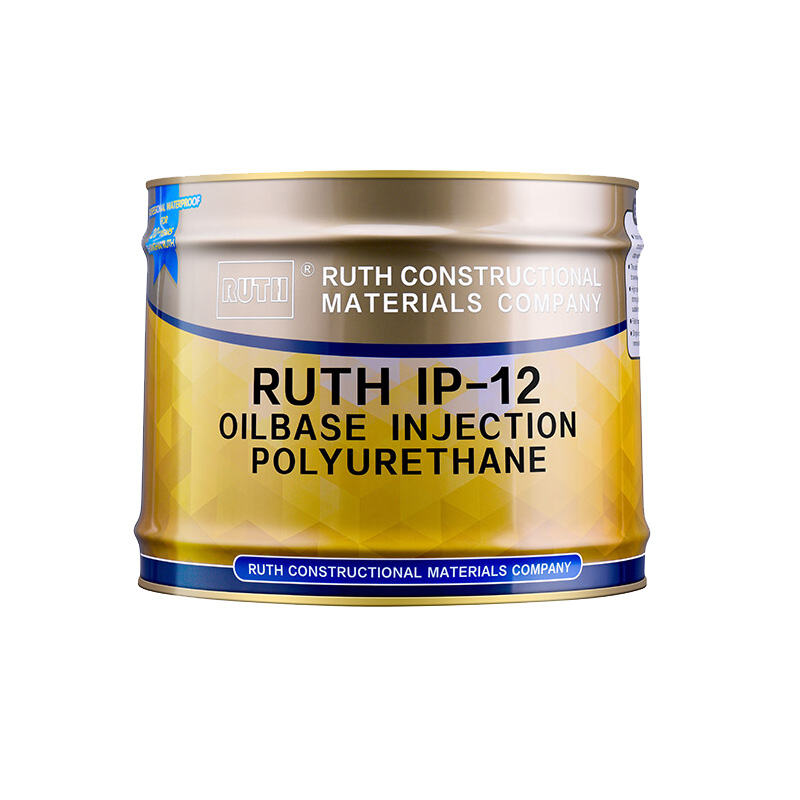
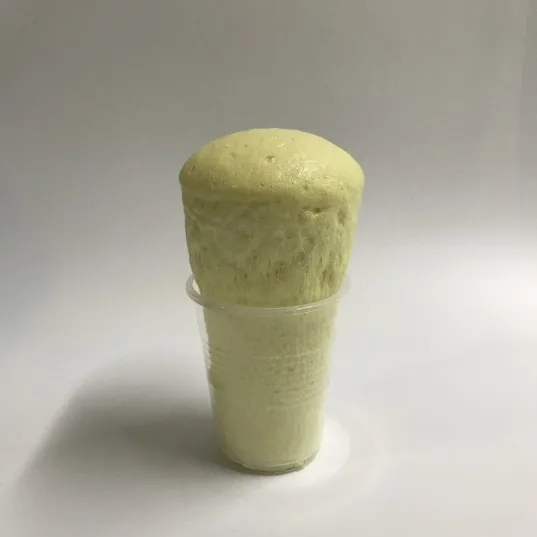
Geotechnical polyurethane foam represents a revolutionary solution in modern construction and infrastructure repair applications. This specialized chemical injection material transforms from liquid to solid foam through a controlled reaction process, creating an exceptionally strong and lightweight structural compound. The geotechnical polyurethane foam serves multiple critical functions including soil stabilization, void filling, crack sealing, and foundation reinforcement across diverse engineering projects. Its primary technological features center on rapid expansion capabilities, excellent adhesion properties, and remarkable durability under varying environmental conditions. The foam demonstrates superior penetration abilities, allowing it to reach confined spaces and irregular cavities that traditional materials cannot access effectively. Key applications encompass foundation underpinning, tunnel stabilization, roadway repair, pipeline protection, and structural void elimination. The geotechnical polyurethane foam exhibits exceptional compressive strength while maintaining flexibility, making it ideal for dynamic loading situations. Its chemical composition resists water infiltration, preventing degradation and maintaining structural integrity over extended periods. The material expands uniformly during application, ensuring consistent coverage and optimal performance throughout the treated area. Installation procedures require minimal excavation compared to conventional methods, reducing project timelines and associated costs significantly. The geotechnical polyurethane foam bonds permanently with surrounding materials, creating seamless integration with existing structures. Its lightweight nature minimizes additional loading on compromised foundations while providing substantial reinforcement. Environmental considerations favor this technology due to its non-toxic formulation and minimal ecological impact during application. The foam cures rapidly under normal temperature conditions, allowing immediate return to service in most applications. Quality control measures ensure consistent performance characteristics across different batches and environmental conditions. Professional installation techniques maximize the effectiveness of geotechnical polyurethane foam applications, delivering reliable long-term results for infrastructure projects.


New Product Releases

The primary advantages of geotechnical polyurethane foam center on its exceptional versatility and performance characteristics that surpass traditional repair methods. This innovative material offers rapid installation capabilities, completing most projects within hours rather than days or weeks required by conventional approaches. The foam penetrates deep into soil structures and foundation elements, creating comprehensive stabilization that addresses root causes rather than surface symptoms. Property owners benefit from minimal disruption during installation since geotechnical polyurethane foam requires small injection ports rather than extensive excavation work. The material expands precisely to fill voids completely, eliminating air pockets and creating uniform support throughout the treatment area. Cost effectiveness becomes apparent through reduced labor requirements, shorter project durations, and eliminated need for heavy machinery typically associated with traditional methods. The geotechnical polyurethane foam provides permanent solutions that resist future deterioration, eliminating recurring maintenance expenses and repeated repairs. Its chemical composition remains stable across temperature variations, ensuring consistent performance during seasonal changes and extreme weather conditions. The foam demonstrates superior load-bearing capacity while remaining lightweight, preventing additional stress on existing structural elements. Water resistance properties protect treated areas from moisture damage, a common cause of foundation problems and structural failures. Installation flexibility allows application in confined spaces and difficult access areas where conventional equipment cannot operate effectively. The geotechnical polyurethane foam cures without producing harmful emissions, maintaining safe working conditions and environmental compliance throughout the process. Its compatibility with various soil types and construction materials makes it suitable for diverse project requirements across residential, commercial, and industrial applications. The material bonds permanently with surrounding elements, creating monolithic structures that perform as integrated systems rather than separate components. Quality assurance protocols ensure consistent material properties and predictable performance outcomes for every application. Professional contractors appreciate the reduced physical demands and improved safety conditions associated with geotechnical polyurethane foam installations. The technology eliminates weather dependencies that often delay traditional construction projects, allowing year-round application schedules.

Latest News

What Are the Injection Requirements for Hydrophobic Polyurethane Materials?

20

Feb

What Are the Injection Requirements for Hydrophobic Polyurethane Materials?

Understanding the injection requirements for hydrophobic polyurethane materials is crucial for successful waterproofing and structural repair applications. These specialized materials offer exceptional resistance to water penetration while maintainin...
View More
What Are Typical Applications of Hydrophobic Polyurethane in Infrastructure?

10

Mar

What Are Typical Applications of Hydrophobic Polyurethane in Infrastructure?

Infrastructure systems worldwide face constant challenges from water infiltration, soil movement, and environmental deterioration. Traditional waterproofing methods often fall short when dealing with complex underground conditions and dynamic structu...
View More
Why Is Hydrophobic Polyurethane Suitable for Permanent Waterproofing?

16

Mar

Why Is Hydrophobic Polyurethane Suitable for Permanent Waterproofing?

In the construction and infrastructure industry, achieving long-lasting waterproofing solutions remains a critical challenge for engineers and contractors worldwide. Traditional waterproofing methods often fall short when exposed to harsh environment...
View More
How Does Hydrophobic Polyurethane Perform Compared to Hydrophilic Systems?

20

Mar

How Does Hydrophobic Polyurethane Perform Compared to Hydrophilic Systems?

Understanding the performance differences between hydrophobic polyurethane and hydrophilic systems is crucial for engineers, contractors, and facility managers making informed decisions about waterproofing and sealing solutions. While both systems of...
View More

Get a Free Quote

Email
Name
Company Name
Message
0/1000

geotechnical polyurethane foam

Rapid Expansion and Precise Void Filling Technology

Rapid Expansion and Precise Void Filling Technology

The geotechnical polyurethane foam features advanced expansion technology that delivers unmatched precision in void filling applications across various structural scenarios. This sophisticated chemical reaction process begins when two liquid components combine during injection, creating controlled expansion that fills cavities completely without excessive pressure buildup. The expansion rate can be precisely controlled through formulation adjustments, allowing customization for specific project requirements and environmental conditions. Unlike traditional materials that may settle or shrink over time, geotechnical polyurethane foam maintains its expanded volume permanently, ensuring long-term structural stability and support. The foam's molecular structure creates millions of tiny cells during expansion, resulting in exceptional strength-to-weight ratios that provide maximum support with minimal additional loading on existing structures. This cellular composition also contributes to excellent thermal insulation properties, helping to regulate temperature variations that can cause structural movement and cracking. The precision filling capability extends to irregular cavities and complex geometries where conventional materials fail to provide complete coverage. Engineers and contractors value this technology because it eliminates guesswork associated with material quantities and coverage areas. The geotechnical polyurethane foam flows into narrow cracks and expands to seal them permanently while simultaneously providing structural reinforcement. Quality control measures during manufacturing ensure consistent expansion characteristics across different environmental conditions and application scenarios. The material's ability to conform to existing structures while expanding creates seamless integration that performs as a monolithic system. This expansion technology proves particularly valuable in emergency repair situations where rapid stabilization is critical for safety and operational continuity. The controlled expansion process prevents damage to surrounding structures while delivering maximum reinforcement where needed most.
Superior Water Resistance and Chemical Stability

Superior Water Resistance and Chemical Stability

Geotechnical polyurethane foam exhibits exceptional water resistance and chemical stability properties that ensure long-term performance in challenging environmental conditions. The closed-cell structure formed during the curing process creates an impermeable barrier that prevents water infiltration and moisture-related deterioration. This water resistance proves crucial in below-grade applications where groundwater and soil moisture pose constant threats to structural integrity and material performance. The chemical composition remains stable across pH variations commonly encountered in soil environments, resisting degradation from acidic or alkaline conditions that destroy conventional materials. Unlike cement-based products that can deteriorate when exposed to sulfates or other aggressive chemicals, geotechnical polyurethane foam maintains its structural properties indefinitely under normal service conditions. The material demonstrates remarkable resistance to freeze-thaw cycles, a critical advantage in climates with significant temperature variations that cause expansion and contraction damage. This stability extends to resistance against common soil contaminants including petroleum products, road salts, and industrial chemicals that may be present in urban environments. The molecular structure of geotechnical polyurethane foam prevents bacterial and fungal growth, eliminating biological degradation processes that affect organic materials over time. Root intrusion resistance protects foundations and underground structures from plant growth damage, a common problem in landscaped areas. The material's chemical inertness ensures compatibility with various construction materials including concrete, steel, wood, and masonry without causing corrosion or other adverse reactions. Laboratory testing confirms that geotechnical polyurethane foam retains its mechanical properties after decades of exposure to aggressive environmental conditions. This exceptional durability translates to reduced maintenance costs and extended service life for infrastructure projects. The water resistance properties also prevent the material from becoming a pathway for moisture migration, protecting adjacent structures from water damage.
Minimal Disruption Installation Process

Minimal Disruption Installation Process

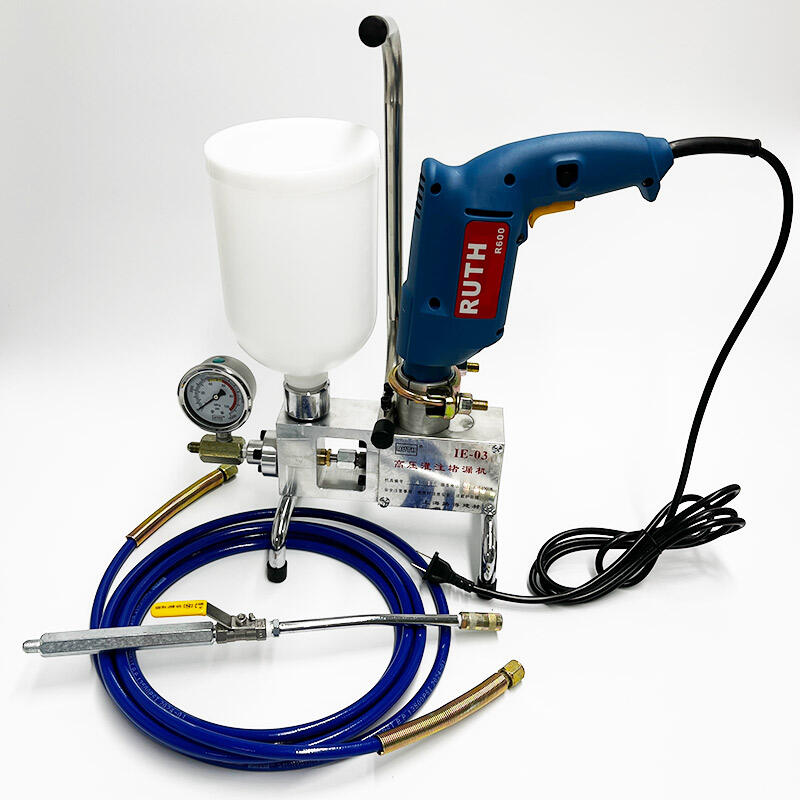
The installation process for geotechnical polyurethane foam revolutionizes structural repair and soil stabilization by minimizing disruption to existing operations and surrounding environments. This advanced application method requires only small injection ports, typically ranging from half-inch to one-inch diameter, eliminating the need for extensive excavation or demolition work. Property owners benefit significantly from this approach since normal activities can continue during treatment, avoiding costly shutdowns and relocations associated with traditional repair methods. The injection process utilizes specialized equipment that precisely controls material flow and placement, ensuring optimal distribution throughout the treatment area without waste or overflow. Professional technicians complete most installations within hours rather than days or weeks required by conventional approaches, dramatically reducing project timelines and associated costs. The geotechnical polyurethane foam begins working immediately upon injection, providing rapid stabilization that allows structures to return to service quickly. This speed advantage proves particularly valuable in commercial and industrial settings where operational downtime translates to significant revenue losses. The non-invasive nature of the installation protects landscaping, paving, and architectural features that would require restoration after traditional excavation methods. Access requirements are minimal, allowing treatment of confined spaces and areas with limited clearance where heavy machinery cannot operate effectively. The injection equipment operates quietly compared to excavation machinery, minimizing noise pollution and community disruption during urban projects. Environmental benefits include reduced soil disturbance and eliminated need for material disposal associated with excavation methods. The precise application prevents material waste and reduces environmental impact while delivering superior results. Quality control measures during installation ensure proper material placement and curing conditions for optimal long-term performance. The minimal disruption approach also reduces safety risks associated with open excavations and heavy equipment operations in populated areas. Post-installation cleanup requirements are minimal since the process generates no debris or excess materials requiring disposal.

Get a Free Quote

Email
Name
Company Name
Message
0/1000
Newsletter
Please Leave A Message With Us