injection packers suppliers
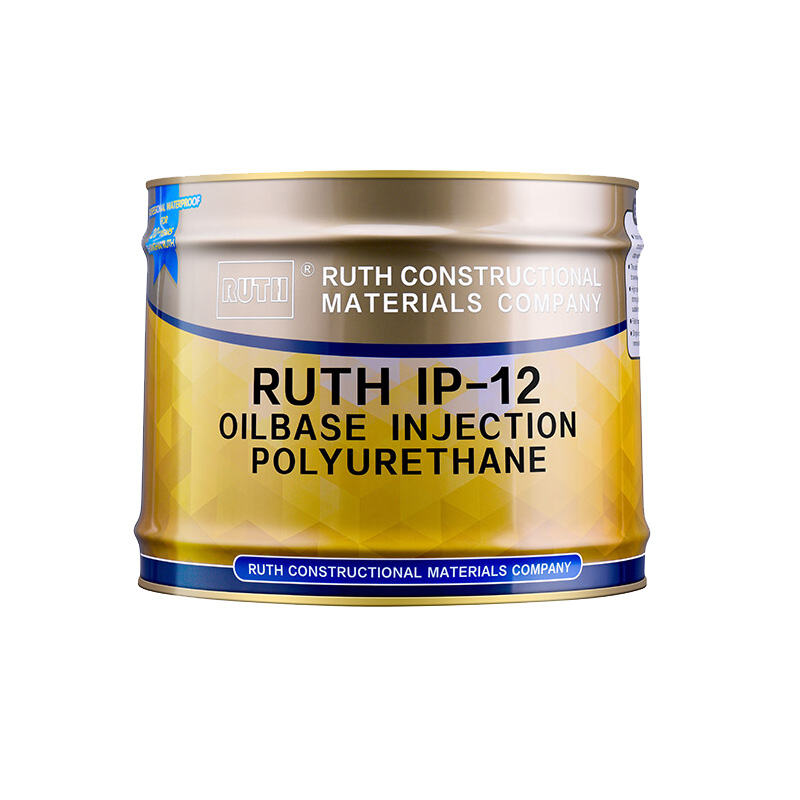
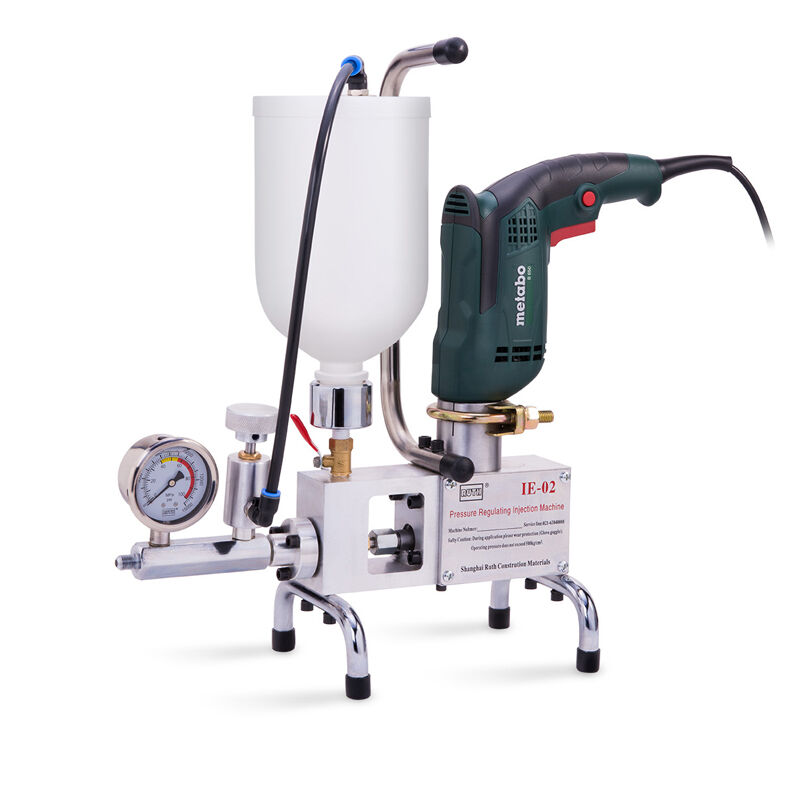
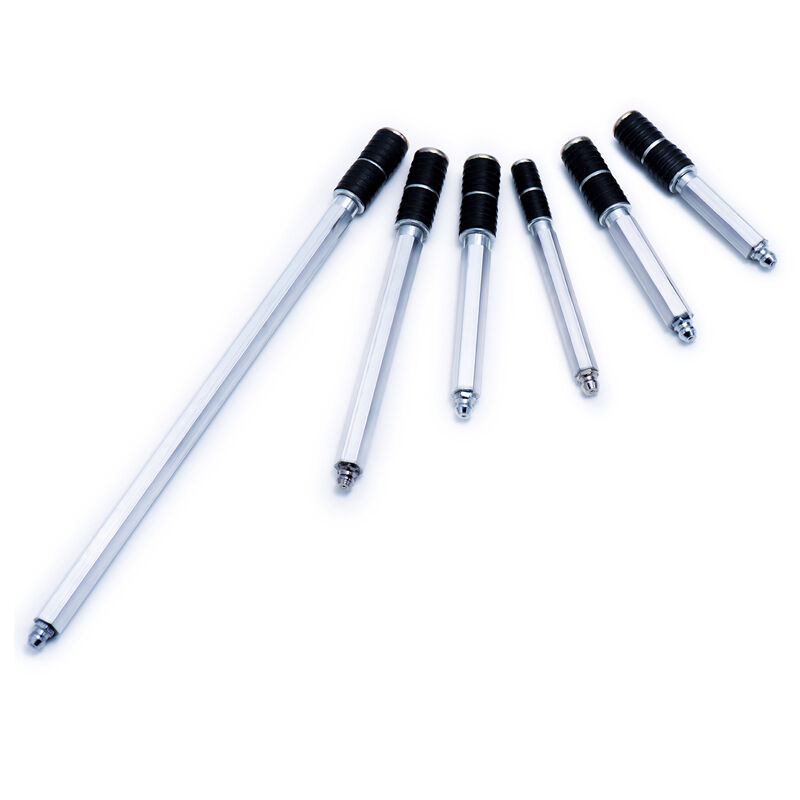
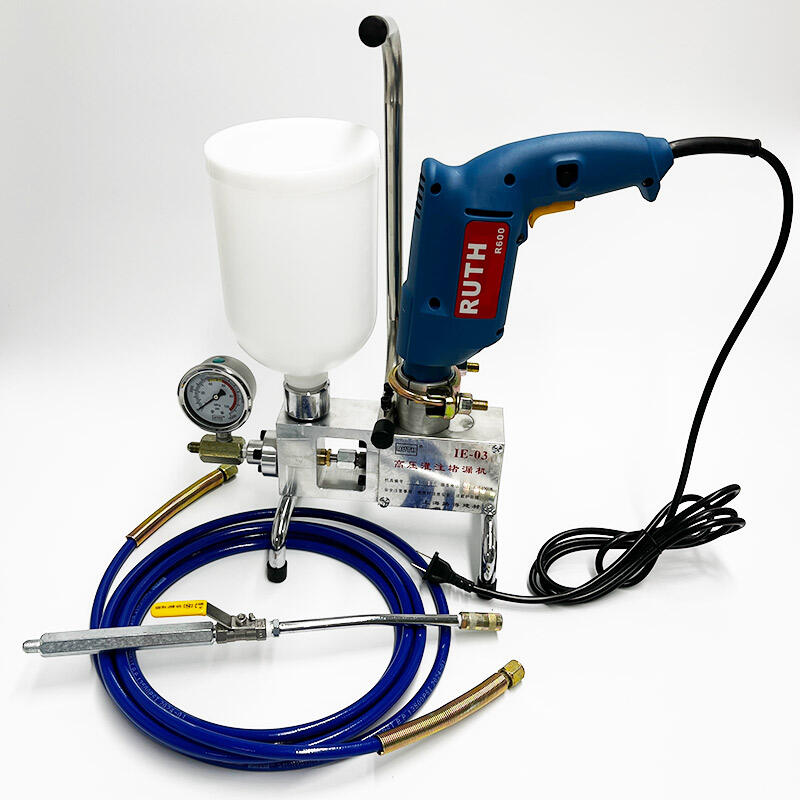
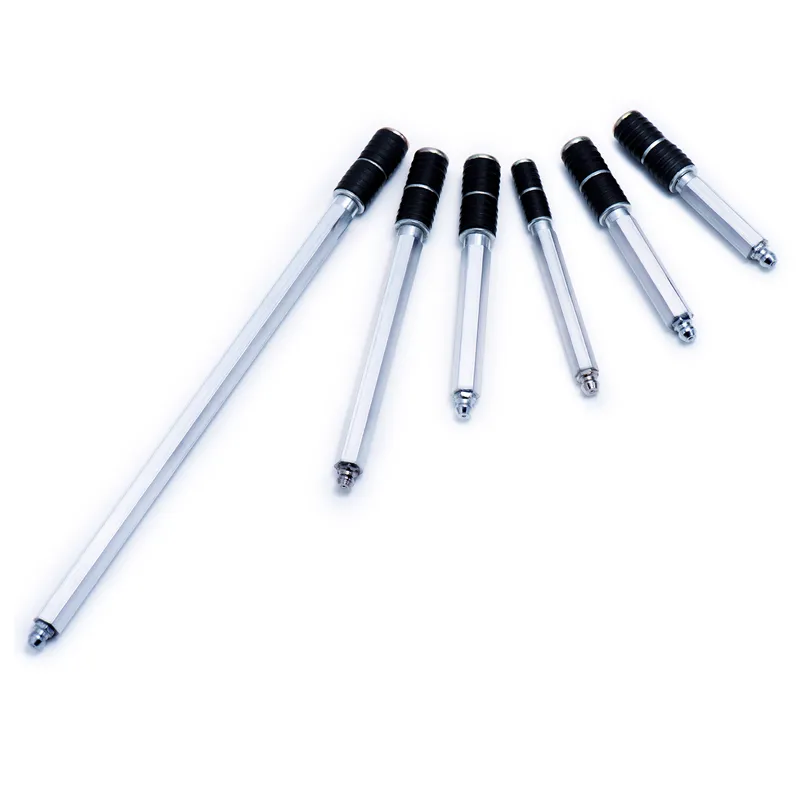
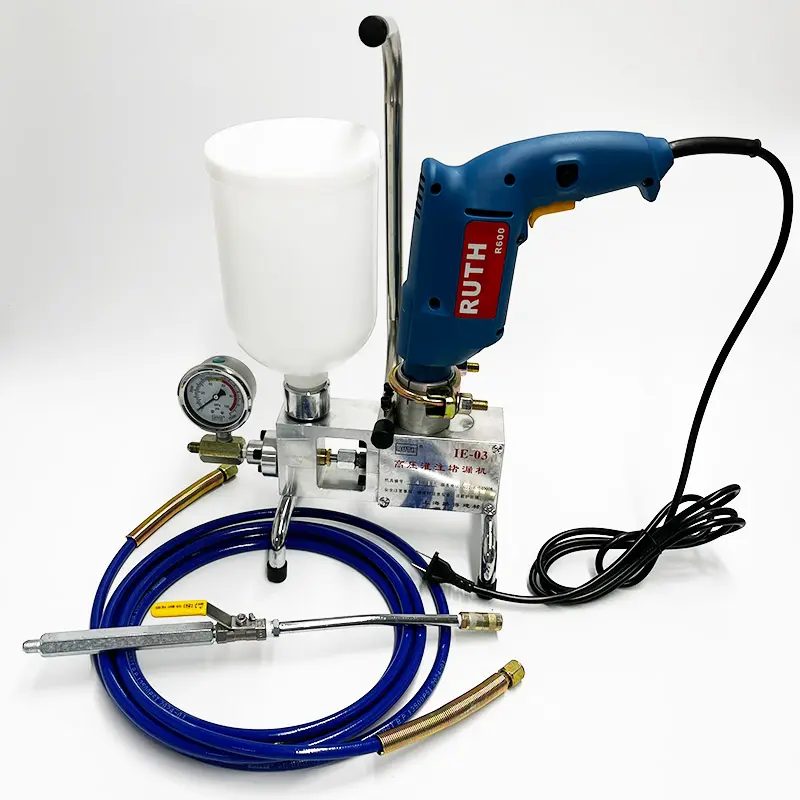
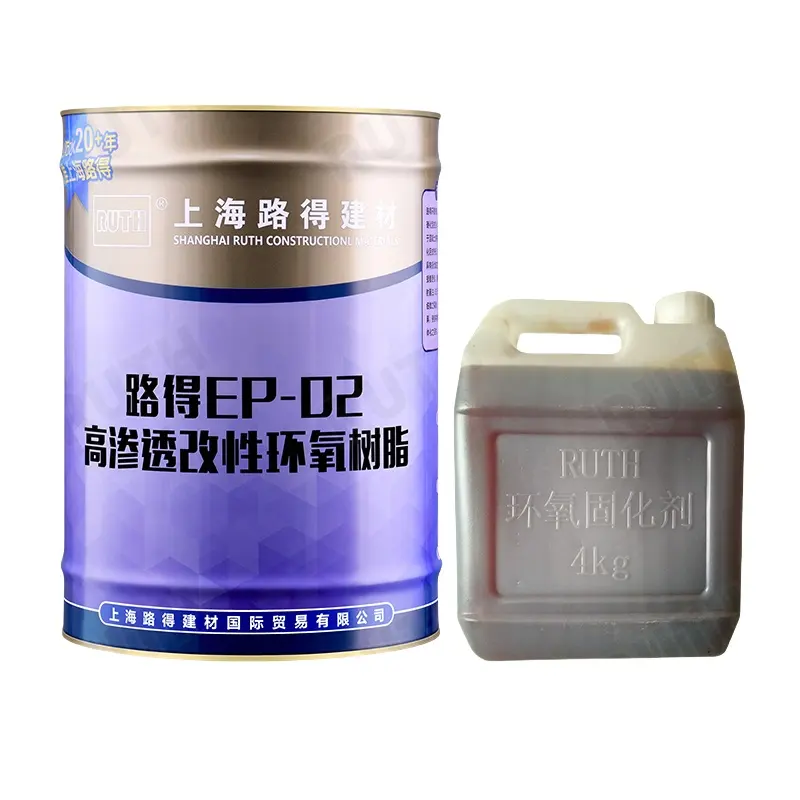
Injection packers suppliers play a crucial role in the construction and infrastructure industry by providing specialized sealing solutions for concrete structures. These suppliers offer comprehensive systems designed to seal cracks, joints, and voids in concrete, masonry, and other building materials through precise injection techniques. The primary function of injection packers involves creating watertight barriers that prevent moisture infiltration, structural deterioration, and environmental damage to buildings and infrastructure projects. Modern injection packers suppliers utilize advanced polymer-based sealants, polyurethane resins, and epoxy compounds that cure rapidly to form durable, flexible seals capable of withstanding extreme weather conditions and structural movements. The technological features of contemporary injection packer systems include precision-engineered nozzles, adjustable pressure controls, and computerized mixing ratios that ensure consistent application results across diverse project requirements. These systems incorporate automated dispensing mechanisms that eliminate human error while maintaining optimal seal integrity throughout the application process. Professional injection packers suppliers offer comprehensive product portfolios including surface-mounted packers, embedded packers, and specialized injection ports designed for specific structural applications. The versatility of these systems enables effective sealing solutions for basement waterproofing, tunnel construction, bridge rehabilitation, parking garage repairs, and industrial facility maintenance projects. Quality injection packers suppliers maintain rigorous quality control standards, ensuring their products meet international building codes and environmental regulations. They provide technical support services including site assessments, application training, and post-installation monitoring to guarantee optimal performance outcomes. The applications extend beyond traditional waterproofing to include structural strengthening, void filling, and chemical resistance enhancement in harsh industrial environments where conventional sealing methods prove inadequate for long-term protection requirements.

 EN
EN