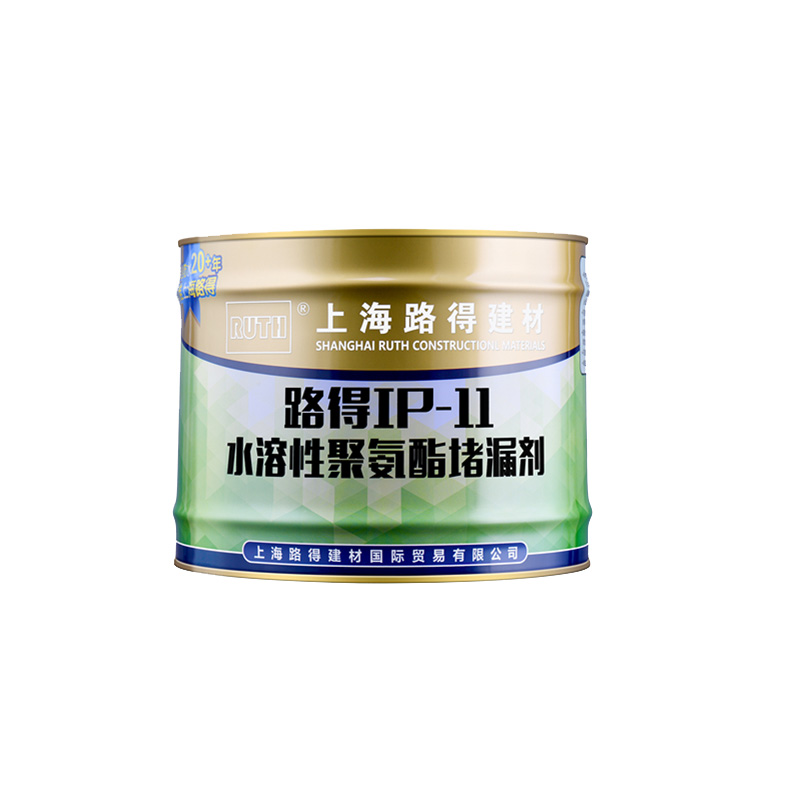
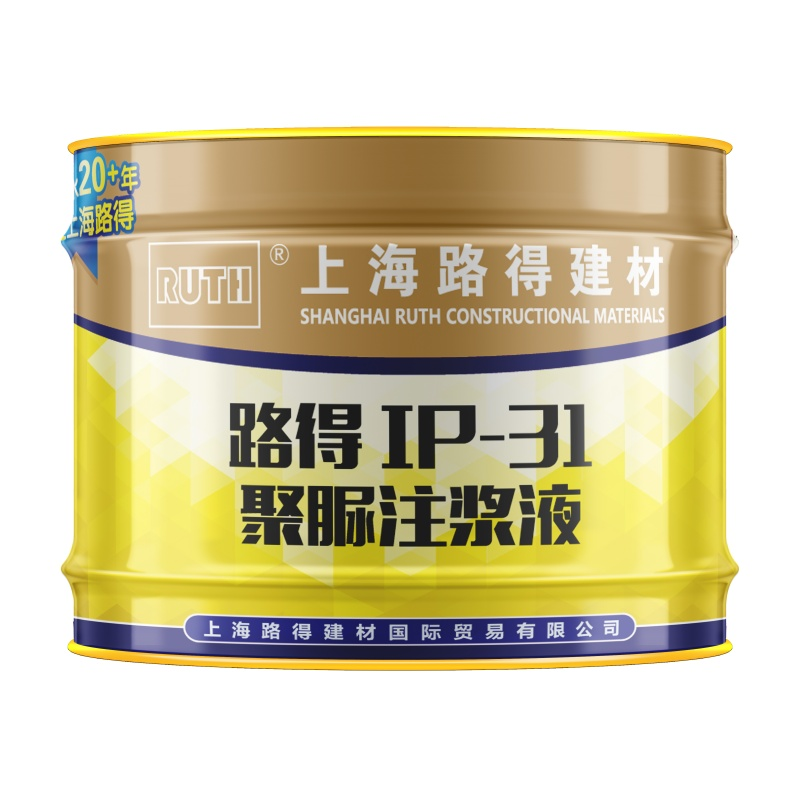
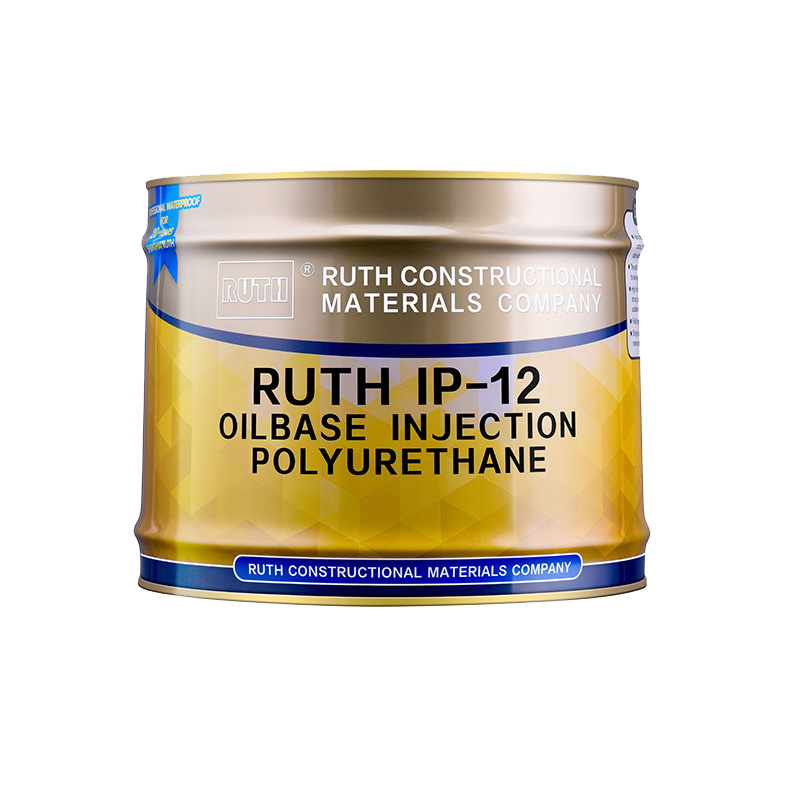
Premium Polyurea Concrete Joint Filler - Rapid Cure, Chemical Resistant Sealing Solution

Get a Free Quote

Email
Name
Company Name
Message
0/1000

polyurea concrete joint filler

Polyurea concrete joint filler represents a revolutionary advancement in construction sealing technology, designed specifically to address the critical need for durable and flexible joint sealing in concrete structures. This innovative material combines the superior properties of polyurea chemistry with practical application requirements, creating a high-performance solution that outperforms traditional joint filling materials. The primary function of polyurea concrete joint filler centers on preventing water infiltration, chemical penetration, and debris accumulation in concrete expansion joints, control joints, and construction joints. Its advanced formulation provides exceptional adhesion to concrete surfaces while maintaining flexibility to accommodate structural movement and thermal expansion cycles. The technological backbone of this material lies in its rapid-cure polyurea chemistry, which enables fast installation and quick return to service, minimizing project downtime. This joint filler demonstrates remarkable resistance to UV radiation, temperature fluctuations, and chemical exposure, making it suitable for both interior and exterior applications. Key technological features include its ability to cure within minutes of application, excellent elongation properties that prevent cracking under stress, and superior bond strength that ensures long-term performance. The material exhibits outstanding durability characteristics, withstanding heavy traffic loads, freeze-thaw cycles, and aggressive chemical environments without degradation. Applications span across various sectors including industrial facilities, commercial buildings, parking structures, warehouses, manufacturing plants, and infrastructure projects. In industrial settings, polyurea concrete joint filler proves invaluable for sealing joints in chemical processing areas, food production facilities, and automotive manufacturing plants where chemical resistance is paramount. Commercial applications include retail spaces, office buildings, and educational institutions where aesthetics and performance must coexist. The versatility of this material extends to specialized environments such as cold storage facilities, where temperature extremes demand exceptional flexibility, and marine structures where salt exposure requires superior corrosion resistance.


New Product Releases

The advantages of polyurea concrete joint filler extend far beyond basic sealing capabilities, delivering comprehensive benefits that address multiple construction and maintenance challenges simultaneously. Installation speed represents one of the most significant advantages, as this material cures rapidly within minutes rather than hours or days required by conventional alternatives. This quick cure time reduces labor costs, minimizes project delays, and allows facilities to resume normal operations almost immediately after application. The exceptional flexibility of polyurea concrete joint filler ensures it accommodates building movement without cracking or losing adhesion, preventing costly repairs and maintaining seal integrity over extended periods. Cost-effectiveness emerges through reduced maintenance requirements, as the material resists wear, weathering, and chemical attack that typically necessitate frequent reapplication of traditional joint fillers. The superior adhesion properties create a permanent bond with concrete surfaces, eliminating common failure points where inferior materials separate from substrates. Temperature resistance spans an impressive range, performing reliably in extreme cold and heat without becoming brittle or soft, making it suitable for diverse climatic conditions. Chemical resistance protects against acids, alkalis, solvents, and petroleum products commonly found in industrial environments, preventing joint degradation and structural damage. The material demonstrates excellent abrasion resistance, withstanding heavy foot traffic, vehicle loads, and equipment movement without wearing away or requiring frequent touch-ups. Moisture barrier properties prevent water infiltration that can cause freeze-thaw damage, corrosion of reinforcing steel, and structural deterioration. UV stability ensures color retention and material integrity in outdoor applications, eliminating the chalking and degradation associated with many conventional joint sealers. Easy application requires minimal specialized equipment or extensive training, reducing installation complexity and potential for errors. The self-leveling properties of many polyurea concrete joint filler formulations create smooth, professional-looking finishes that enhance facility appearance while providing superior performance. Long-term value proposition includes extended service life, reduced replacement frequency, and lower total cost of ownership compared to traditional alternatives. Environmental benefits include low VOC emissions and improved indoor air quality, supporting green building initiatives and worker safety requirements.

Tips And Tricks

How Does Polyurethane Injection Adapt to Different Leak Conditions?

02

Feb

How Does Polyurethane Injection Adapt to Different Leak Conditions?

Water intrusion and structural leaks present persistent challenges across construction, infrastructure, and industrial sectors. Traditional repair methods often fall short when addressing complex leak scenarios, particularly in challenging environmen...
View More
What Are the Key Advantages of Polyurea Grout in Infrastructure Repair?

10

Feb

What Are the Key Advantages of Polyurea Grout in Infrastructure Repair?

Infrastructure repair and maintenance represent critical challenges in modern construction and civil engineering. Among the numerous materials available for structural restoration, polyurea grout has emerged as a revolutionary solution that addresses...
View More
How Does Hydrophobic Polyurethane Prevent Water Penetration After Curing?

13

Feb

How Does Hydrophobic Polyurethane Prevent Water Penetration After Curing?

Construction and industrial applications face constant challenges from water infiltration, making waterproofing solutions critical for structural integrity and longevity. Hydrophobic polyurethane has emerged as a revolutionary material that transform...
View More
What Are Typical Applications of Hydrophobic Polyurethane in Infrastructure?

10

Mar

What Are Typical Applications of Hydrophobic Polyurethane in Infrastructure?

Infrastructure systems worldwide face constant challenges from water infiltration, soil movement, and environmental deterioration. Traditional waterproofing methods often fall short when dealing with complex underground conditions and dynamic structu...
View More

Get a Free Quote

Email
Name
Company Name
Message
0/1000

polyurea concrete joint filler

Rapid Cure Technology for Maximum Efficiency

Rapid Cure Technology for Maximum Efficiency

The rapid cure technology of polyurea concrete joint filler revolutionizes project timelines and operational efficiency in ways that traditional joint sealing materials simply cannot match. This advanced curing system transforms the material from liquid to fully cured elastomer within minutes of application, dramatically reducing downtime and accelerating project completion schedules. The fast-setting properties stem from the unique polyurea chemistry that initiates an immediate reaction upon mixing, creating molecular cross-links that rapidly develop into a durable, flexible seal. This technology proves particularly valuable in high-traffic facilities where extended closure periods result in significant operational losses and customer inconvenience. Manufacturing plants, distribution centers, and retail facilities benefit enormously from the ability to seal joints and resume normal operations within hours rather than days. The rapid cure characteristic also enhances worker productivity by eliminating waiting periods between application phases, allowing crews to complete entire projects in single shifts rather than returning multiple times for different stages. Temperature independence represents another crucial aspect of this rapid cure technology, as the material cures reliably across a wide temperature range without requiring special heating or cooling equipment. This consistency ensures predictable results regardless of seasonal conditions or geographic location. The immediate strength development means the polyurea concrete joint filler achieves full physical properties quickly, providing immediate protection against moisture infiltration and chemical exposure. Quality control becomes more manageable with rapid cure technology, as installers can immediately assess results and make adjustments if necessary, rather than waiting for slow-curing materials to reveal potential issues. Emergency repair scenarios benefit significantly from this rapid cure capability, allowing urgent joint failures to be addressed and resolved quickly, preventing further damage and maintaining facility safety. The economic impact extends beyond direct labor savings to include reduced equipment rental costs, shorter project insurance periods, and faster return on investment for facility improvements.
Exceptional Chemical and Environmental Resistance

Exceptional Chemical and Environmental Resistance

The exceptional chemical and environmental resistance of polyurea concrete joint filler sets it apart as the premium choice for demanding industrial and commercial applications where exposure to aggressive substances and extreme conditions is commonplace. This remarkable resistance stems from the dense molecular structure of cured polyurea, which creates an impermeable barrier against a vast array of chemicals including acids, bases, solvents, oils, and cleaning agents typically encountered in modern facilities. Food processing plants benefit tremendously from this chemical resistance, as the material withstands repeated exposure to sanitizing chemicals, food acids, and high-pressure washdown procedures without degradation or contamination risks. Manufacturing facilities handling petroleum products, automotive fluids, and industrial chemicals rely on this resistance to prevent joint failure and substrate damage that could result in costly repairs and environmental compliance issues. The material demonstrates outstanding performance against de-icing salts and freeze-thaw cycles, making it ideal for parking structures, loading docks, and exterior walkways in harsh winter climates where traditional materials fail prematurely. UV radiation resistance ensures long-term performance in outdoor applications, preventing the chalking, color fading, and material breakdown that plague conventional joint fillers exposed to sunlight. Thermal cycling resistance allows the polyurea concrete joint filler to maintain flexibility and adhesion through repeated expansion and contraction cycles that would cause rigid materials to crack and fail. Moisture vapor transmission resistance creates an effective barrier against humidity and water vapor that can cause concrete deterioration and mold growth in enclosed spaces. The material resists bacterial and fungal growth, supporting hygienic requirements in healthcare facilities, laboratories, and clean room environments where biological contamination poses serious risks. Ozone resistance ensures performance longevity in areas with high atmospheric ozone concentrations or where ozone-generating equipment operates nearby. The combination of these resistance properties creates a comprehensive protection system that maintains seal integrity and appearance over extended service periods, reducing maintenance costs and improving facility reliability while supporting regulatory compliance in sensitive applications.
Superior Flexibility and Movement Accommodation

Superior Flexibility and Movement Accommodation

The superior flexibility and movement accommodation capabilities of polyurea concrete joint filler represent critical performance characteristics that ensure long-term sealing effectiveness in dynamic structural environments where building movement, thermal expansion, and settling create ongoing challenges for joint integrity. This exceptional flexibility results from the elastomeric properties of cured polyurea, which can elongate significantly under stress while maintaining molecular cohesion and returning to original dimensions when stress is removed. The material accommodates both compression and extension movements that occur naturally in concrete structures due to temperature fluctuations, moisture changes, structural loading, and foundation settlement. High-rise buildings experience significant thermal movement as exterior temperatures vary throughout daily and seasonal cycles, requiring joint fillers that can compress and extend repeatedly without failure. The polyurea concrete joint filler maintains its sealing properties through these movements, preventing water infiltration and maintaining weathertight building envelopes. Industrial facilities with heavy machinery and dynamic loading benefit from this flexibility as equipment vibrations and operational forces create constant stress on joint systems. The material absorbs these forces elastically rather than transmitting them to surrounding concrete, reducing stress concentrations that could cause substrate cracking. Bridge and infrastructure applications demand exceptional movement accommodation as structures experience significant thermal expansion, traffic loading, and seismic activity throughout their service lives. The flexibility characteristics enable the polyurea concrete joint filler to maintain continuous sealing while allowing necessary structural movement, preventing damage to both the sealant and surrounding concrete elements. Cold storage facilities present extreme flexibility requirements as temperature differentials create substantial dimensional changes in concrete structures, and the material performs reliably in these demanding conditions without becoming brittle or losing adhesion. The elastic memory properties ensure the joint filler returns to its original configuration after movement cycles, preventing permanent deformation that could compromise seal integrity. Multi-story parking structures benefit significantly from this flexibility as daily temperature swings create substantial thermal movement that must be accommodated without seal failure. The combination of high elongation capability, excellent recovery properties, and maintained adhesion under stress creates a joint sealing system that adapts to structural behavior while providing reliable, long-term protection against environmental intrusion and maintaining the aesthetic appearance of finished surfaces.

Get a Free Quote

Email
Name
Company Name
Message
0/1000
Newsletter
Please Leave A Message With Us