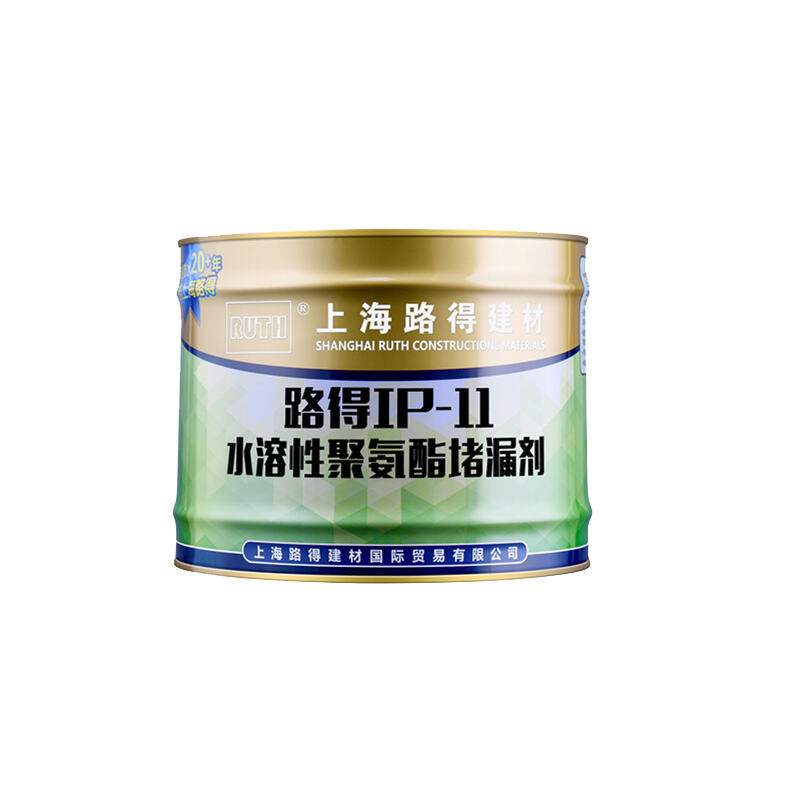
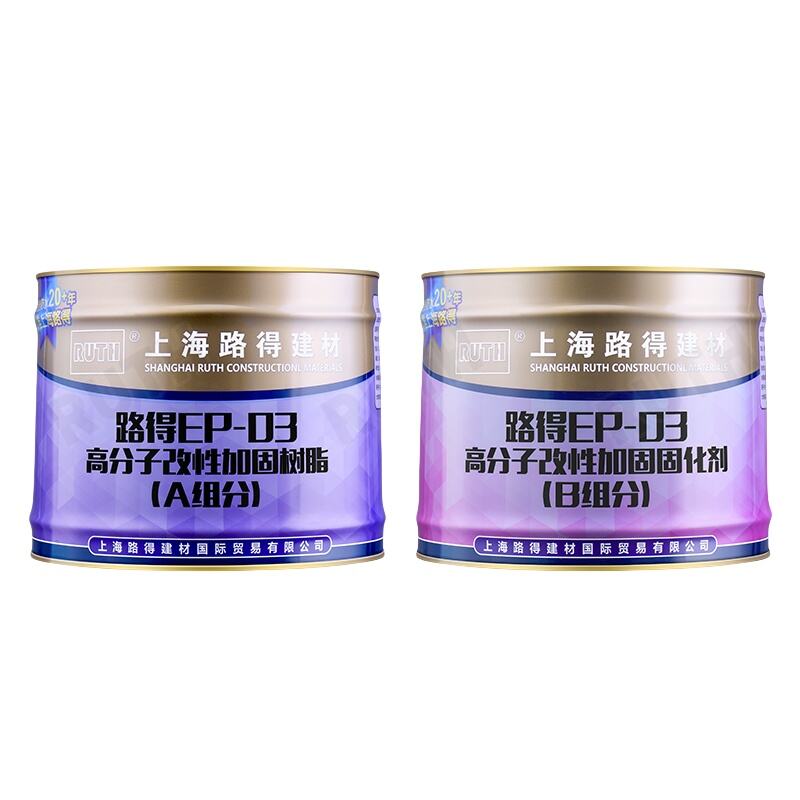
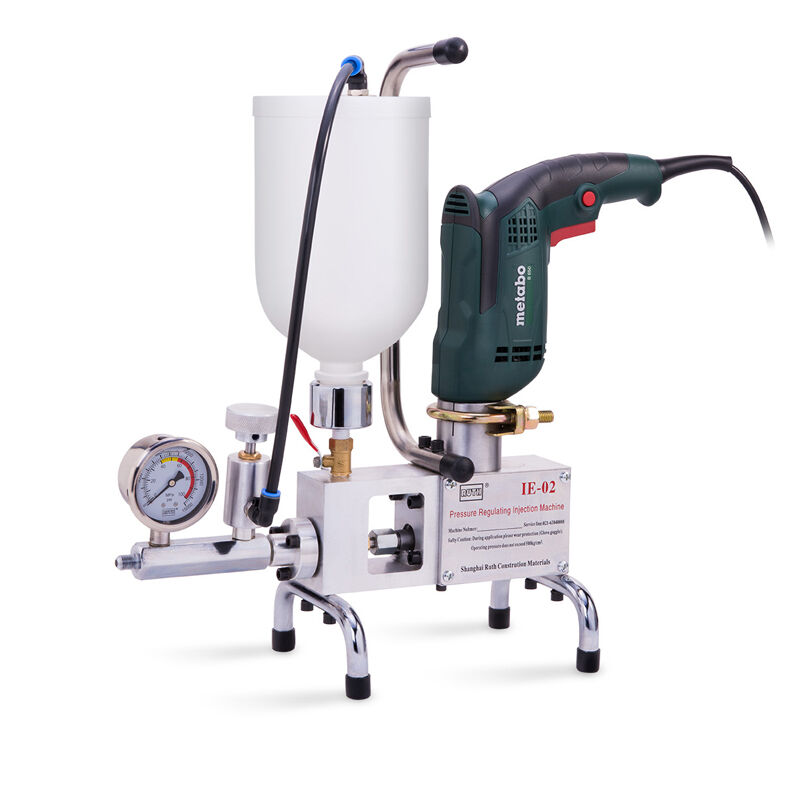
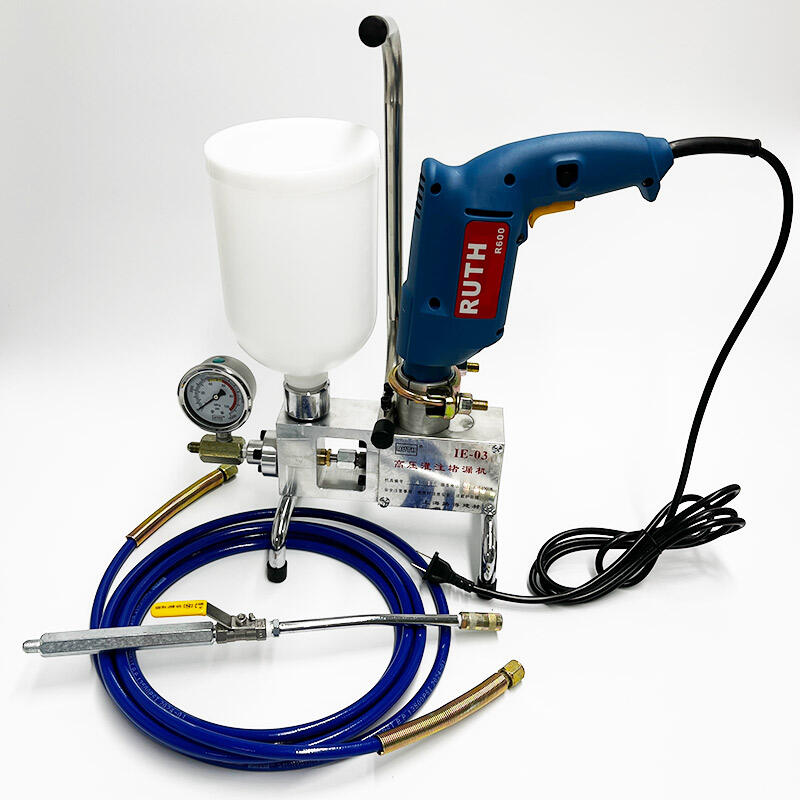
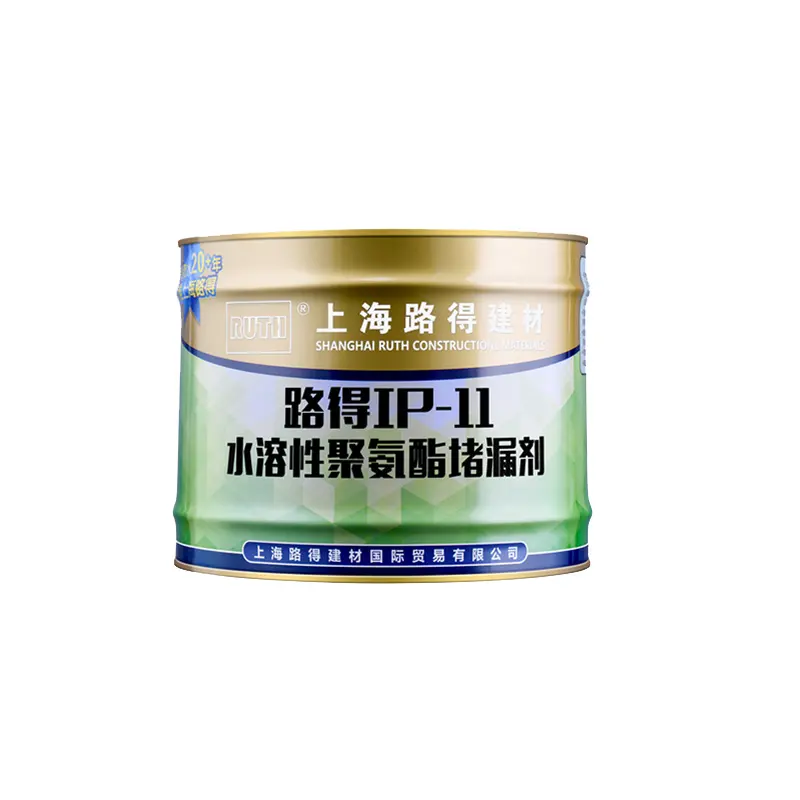
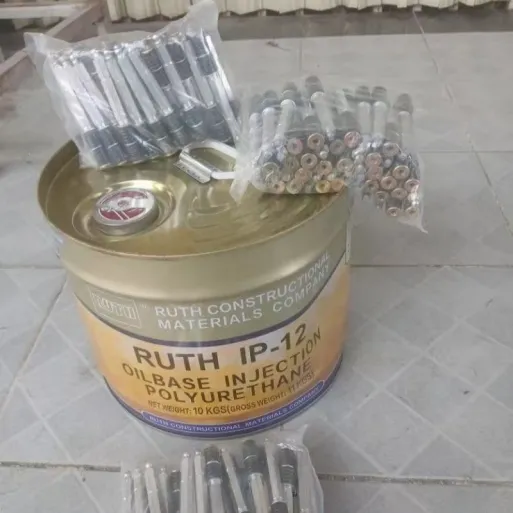
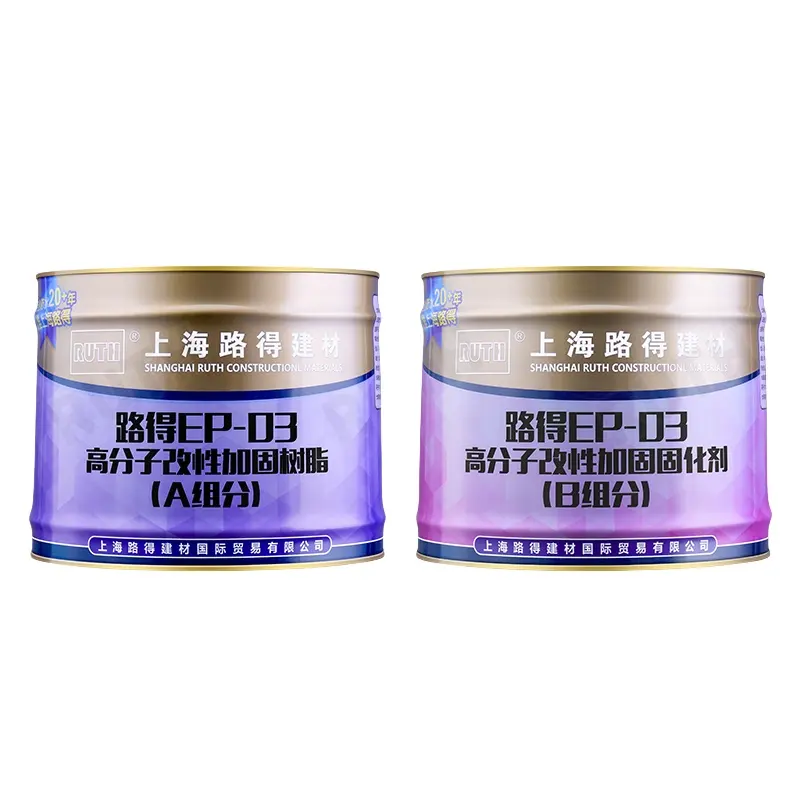
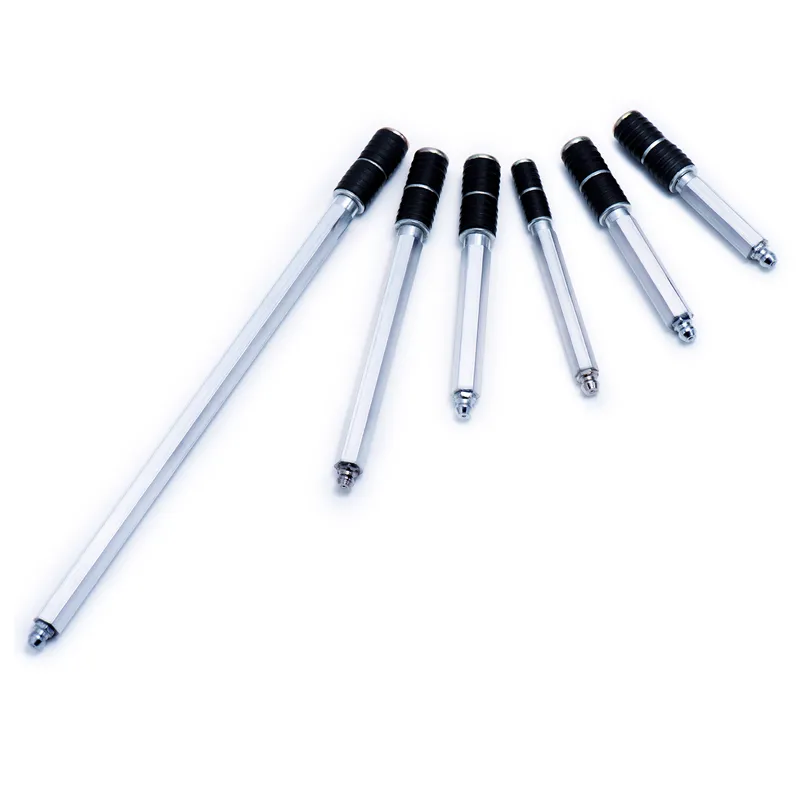
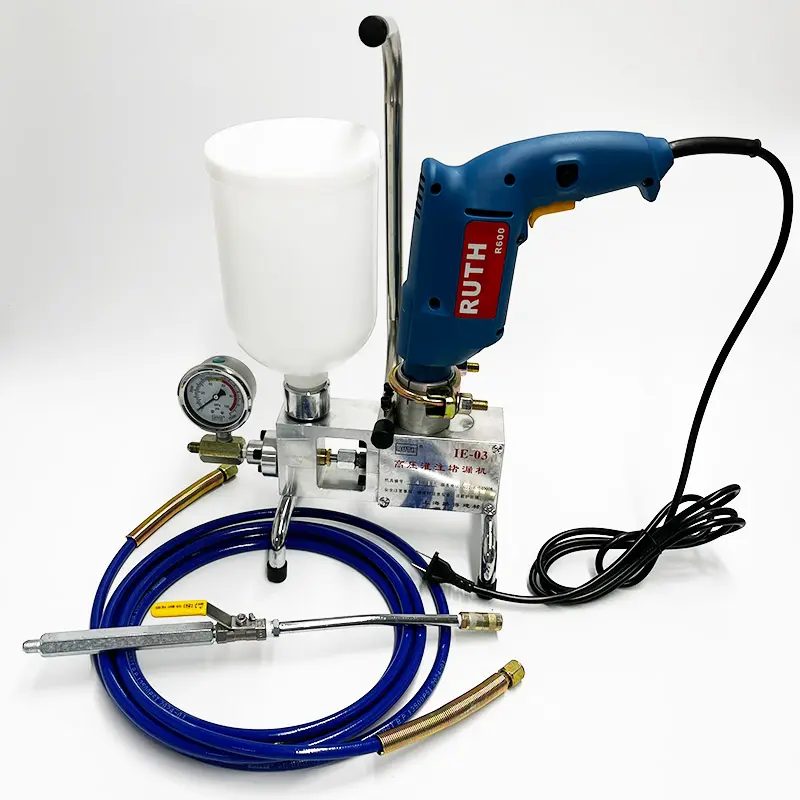
polyurethane water stop foam
Polyurethane water stop foam represents a revolutionary advancement in waterproofing technology, designed to provide superior sealing solutions for construction and industrial applications. This innovative material combines the flexibility of polyurethane chemistry with specialized foaming agents to create an expanding barrier that effectively prevents water infiltration through gaps, joints, and structural penetrations. The polyurethane water stop foam operates through a unique chemical reaction process that begins upon contact with moisture, triggering rapid expansion and curing to form a durable, impermeable seal. The technological foundation of polyurethane water stop foam lies in its molecular structure, which features urethane linkages that provide exceptional elasticity and adhesion properties. When applied, the foam expands to fill irregular spaces and conforming to complex geometries that traditional sealing materials cannot accommodate effectively. This expansion capability allows the polyurethane water stop foam to create continuous barriers even in challenging installation conditions. The cured foam exhibits remarkable resistance to environmental stresses, including temperature fluctuations, UV exposure, and chemical contact, ensuring long-term performance in diverse applications. Construction professionals utilize polyurethane water stop foam extensively in basement waterproofing, foundation sealing, and underground structure protection. The material proves invaluable in tunnel construction, where water ingress poses significant engineering challenges. Infrastructure projects benefit from its application in bridge joint sealing, parking garage waterproofing, and concrete structure rehabilitation. Industrial facilities employ polyurethane water stop foam for equipment foundation sealing, storage tank containment, and process area waterproofing. The versatility of polyurethane water stop foam extends to marine applications, where it provides effective sealing for dock structures, seawalls, and offshore installations. Its ability to maintain flexibility while providing structural integrity makes it suitable for dynamic environments subject to movement and vibration.

 EN
EN