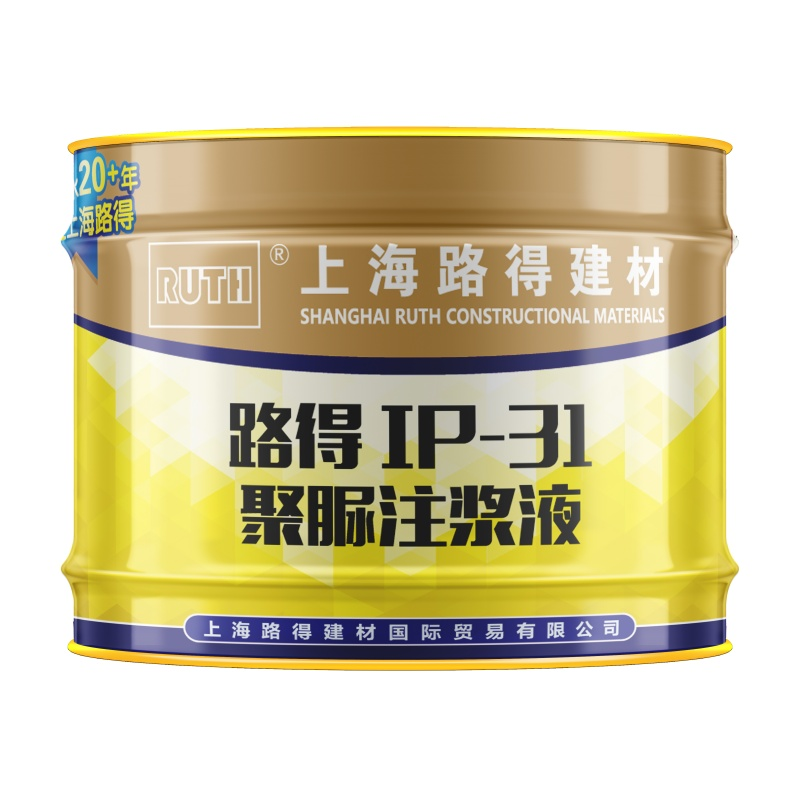
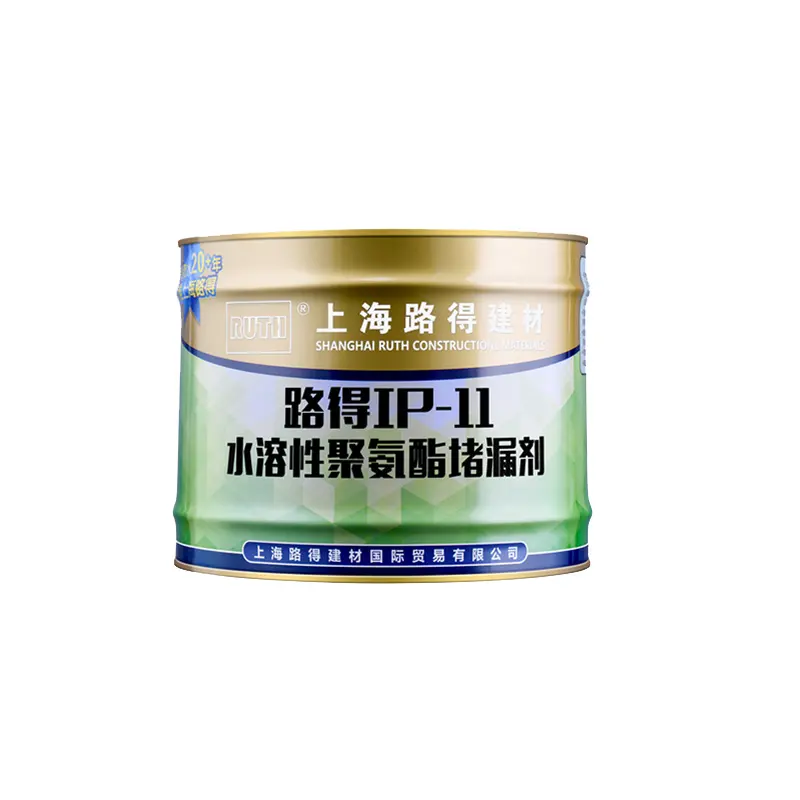
pu foam injection grouting
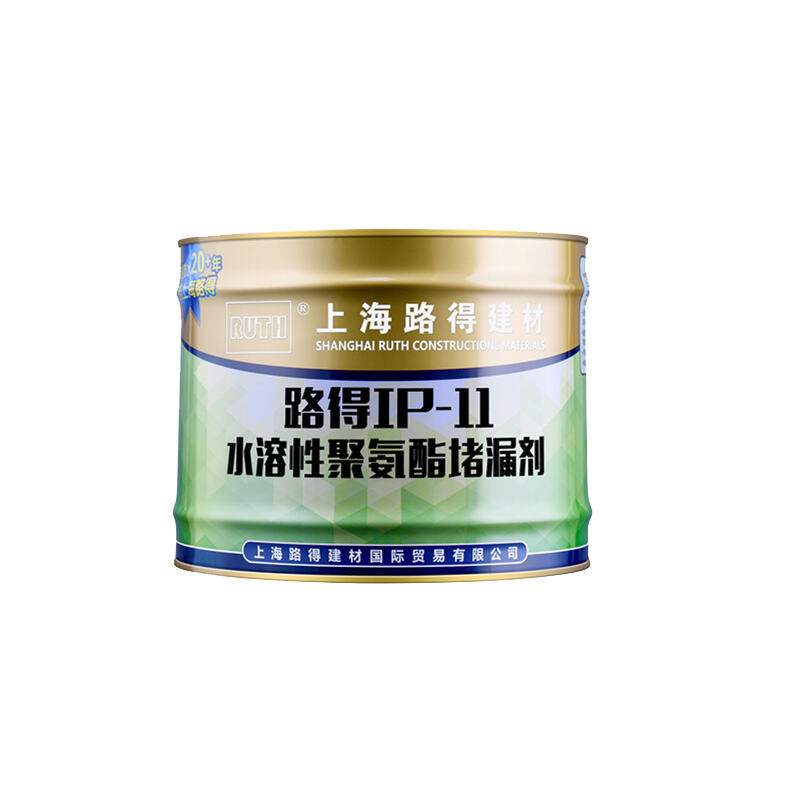
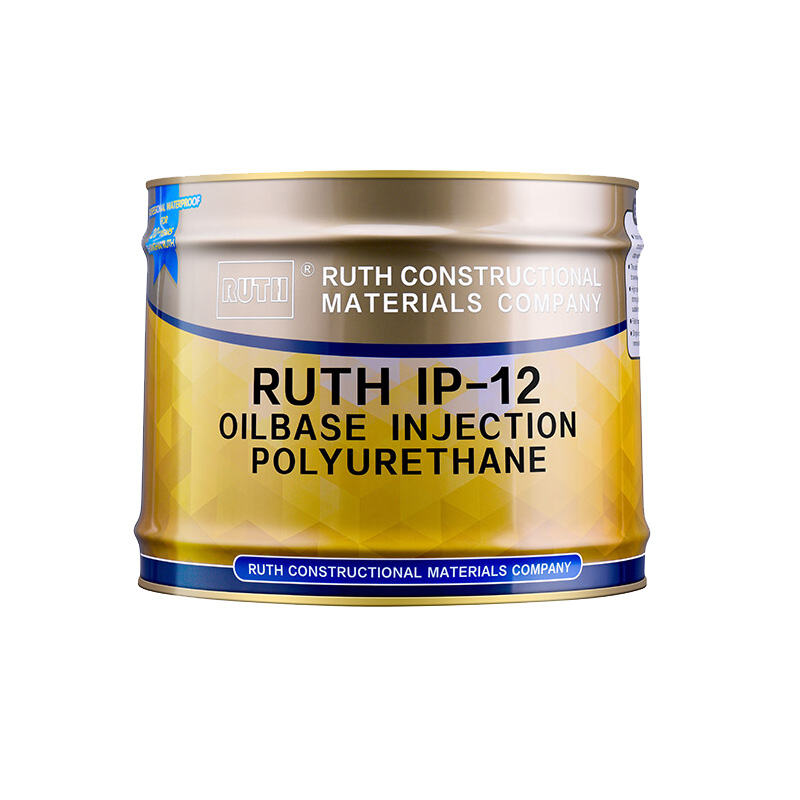
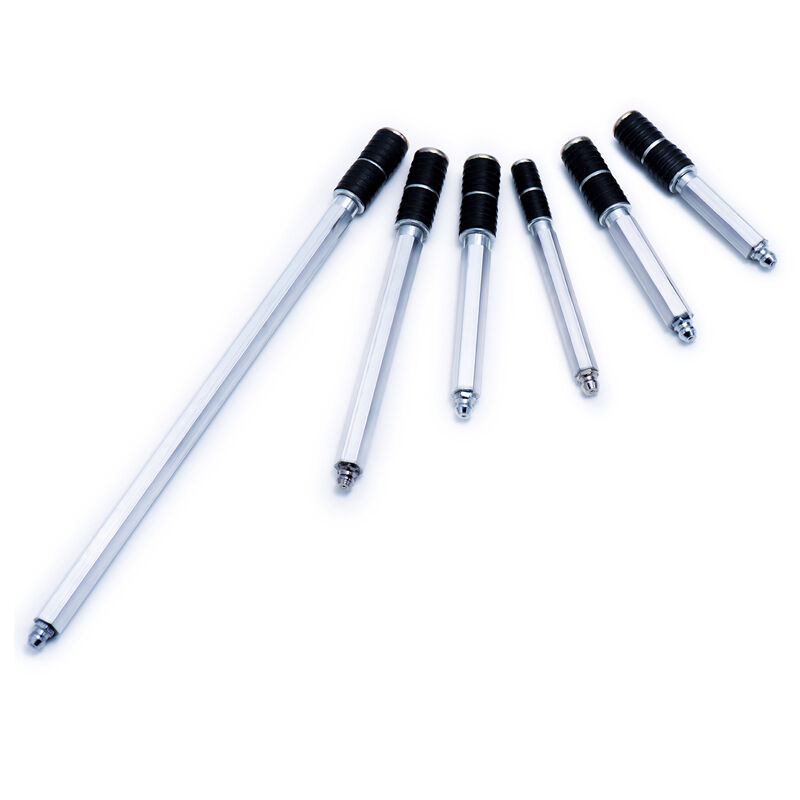
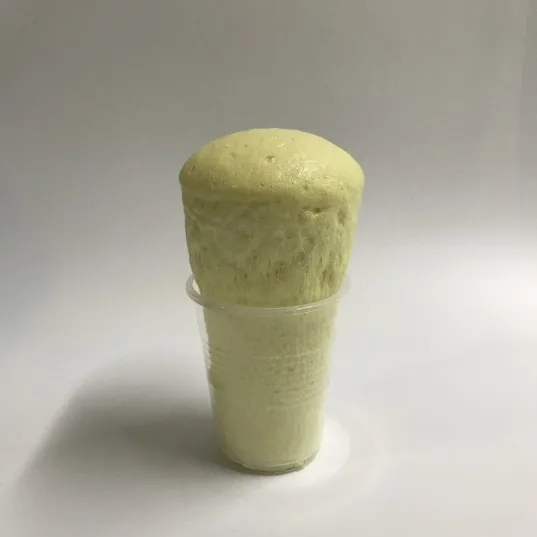
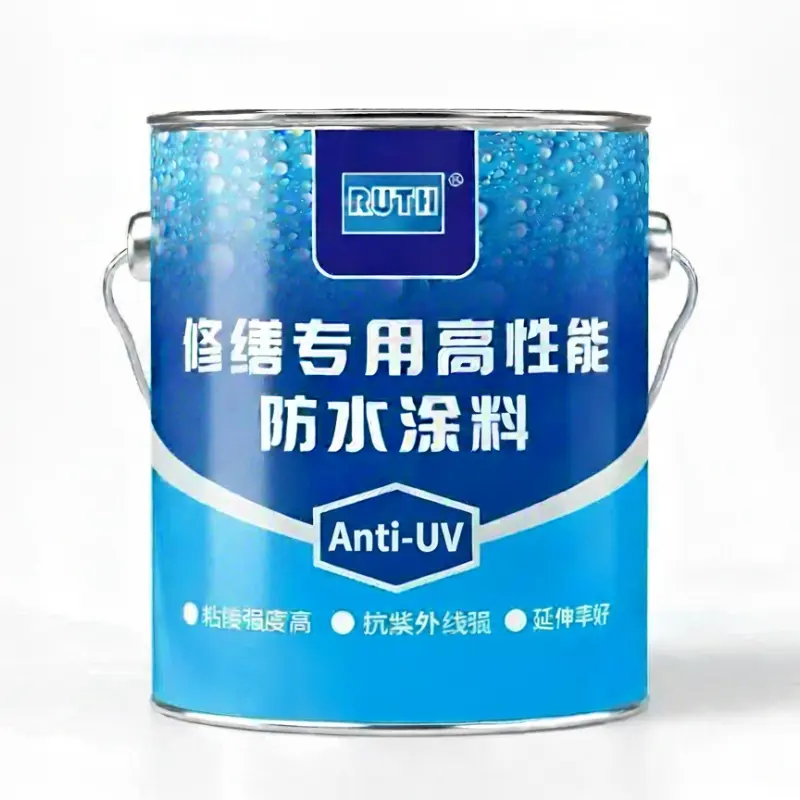
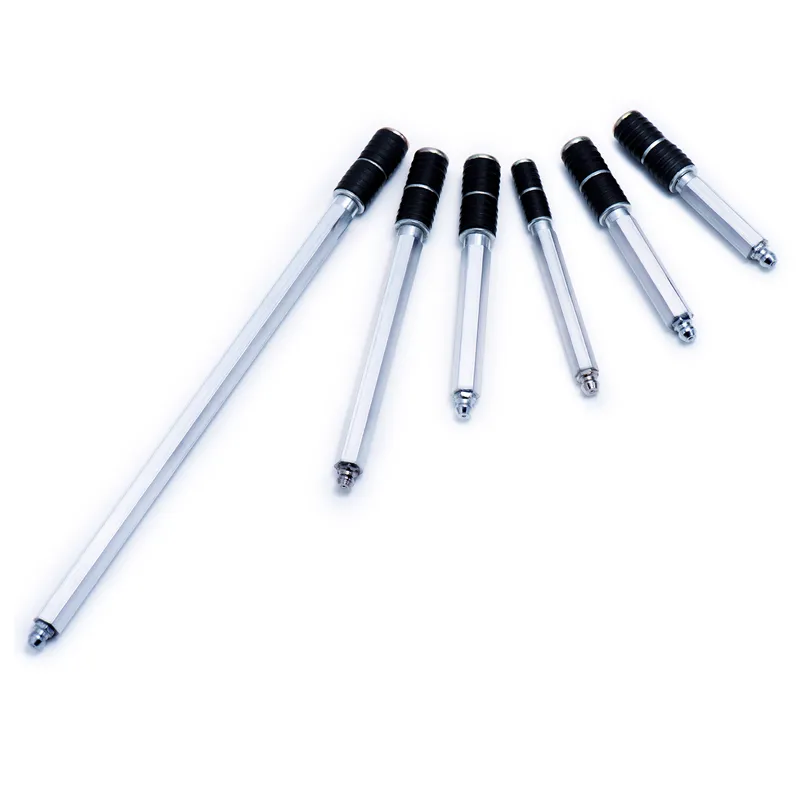
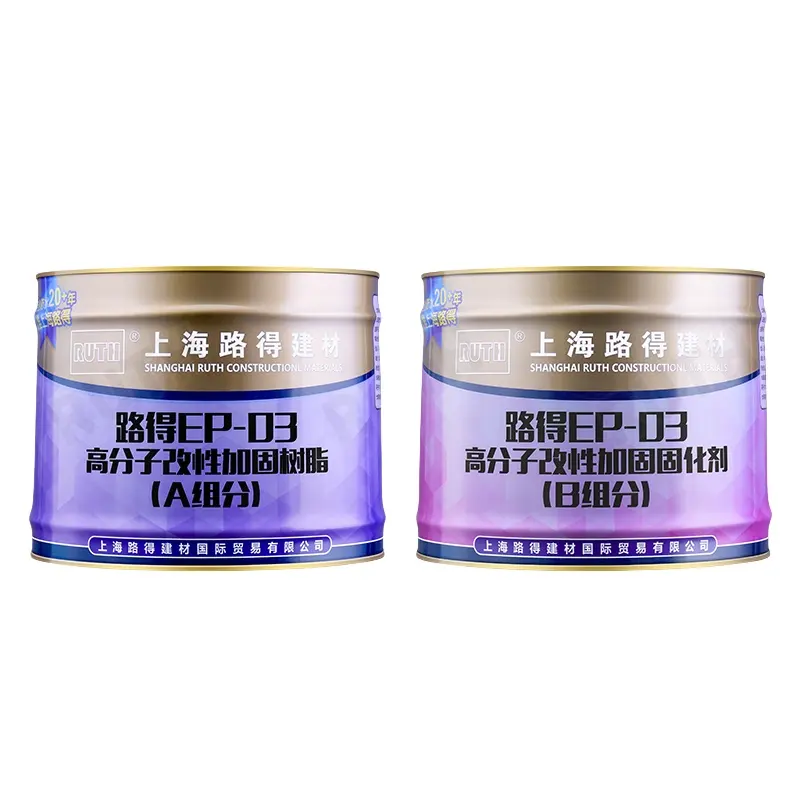
PU foam injection grouting represents a cutting-edge waterproofing and structural repair solution that utilizes polyurethane-based materials to address various construction challenges. This innovative technology involves injecting expanding polyurethane foam directly into cracks, voids, and compromised areas within concrete structures, masonry walls, and underground installations. The pu foam injection grouting process begins when technicians introduce the liquid polyurethane mixture through specialized injection equipment, where it rapidly expands and cures to form a durable, waterproof barrier. The primary function of pu foam injection grouting centers on stopping water infiltration while simultaneously strengthening weakened structural elements. This dual-purpose capability makes it exceptionally valuable for basement waterproofing, tunnel rehabilitation, bridge repair, and foundation stabilization projects. The technological features of pu foam injection grouting include its ability to penetrate narrow fissures as small as 0.1mm, expand up to 20 times its original volume, and achieve complete curing within minutes of application. The foam's cellular structure creates an impermeable seal that maintains flexibility under structural movement while resisting chemical degradation and temperature fluctuations. Applications for pu foam injection grouting span across residential, commercial, and industrial sectors. Building contractors frequently employ this technique for basement crack repair, preventing costly water damage and mold growth. Infrastructure maintenance teams utilize pu foam injection grouting for highway tunnel sealing, subway system waterproofing, and parking garage restoration. The technology proves particularly effective in emergency repair situations where rapid response is crucial. Marine construction projects benefit from pu foam injection grouting's saltwater resistance properties, making it ideal for pier foundations and seawall maintenance. The versatility of this grouting method extends to precast concrete panel sealing, expansion joint treatment, and soil stabilization applications, demonstrating its comprehensive problem-solving capabilities across diverse construction scenarios.

 EN
EN