waterproofing pu injection
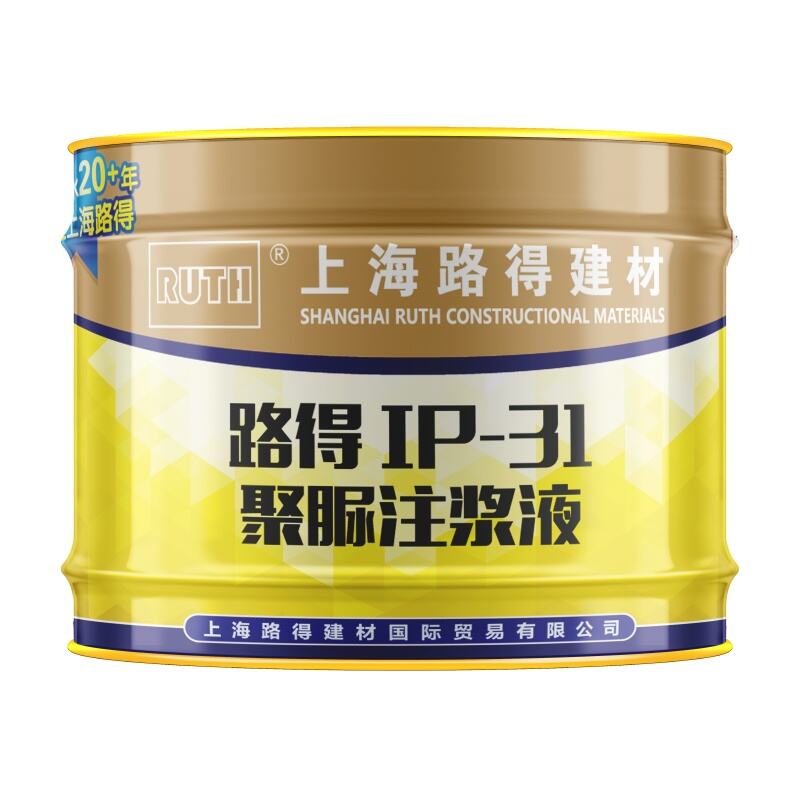
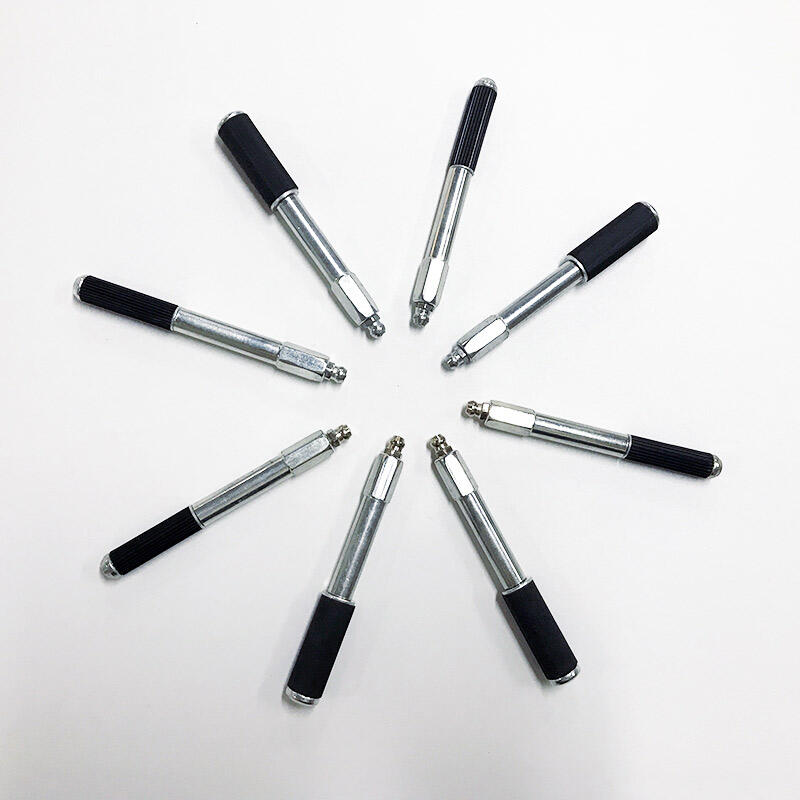
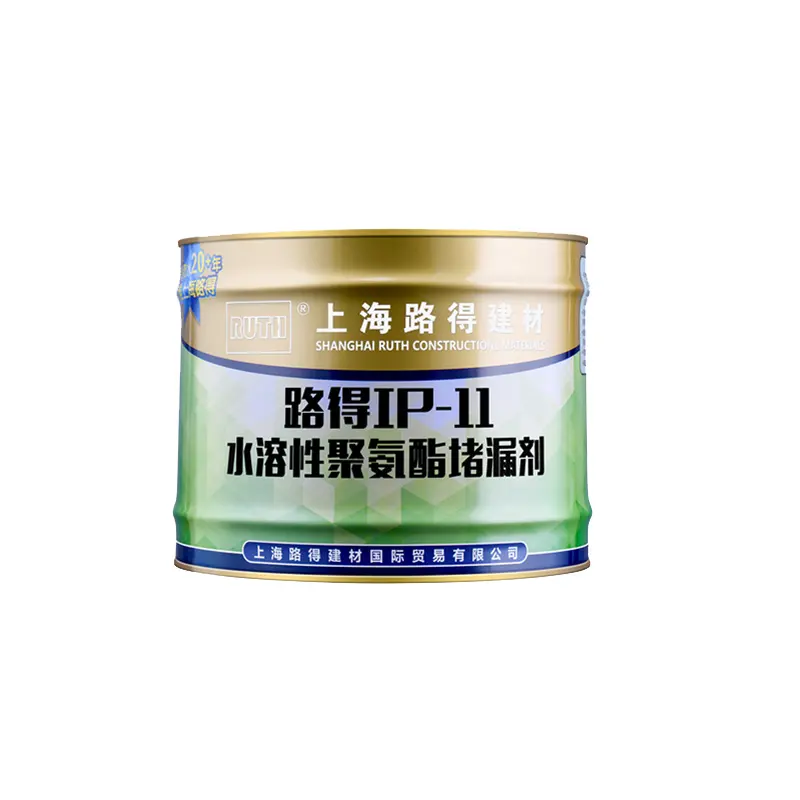
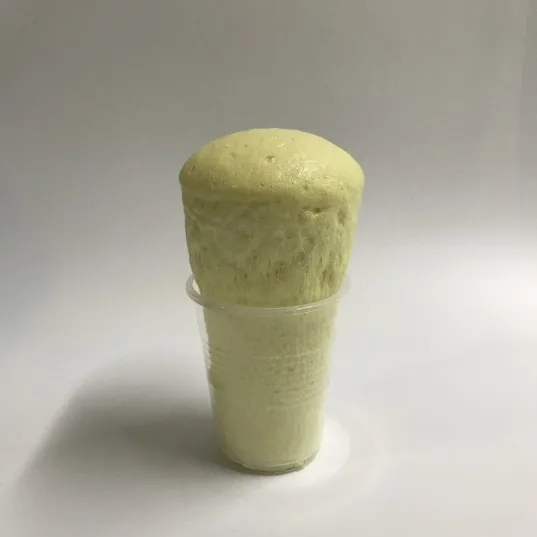
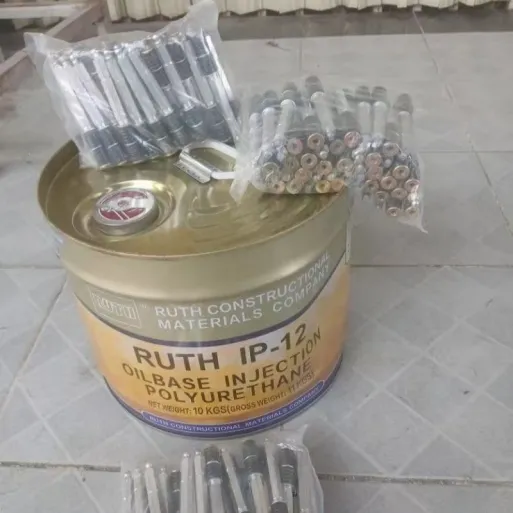
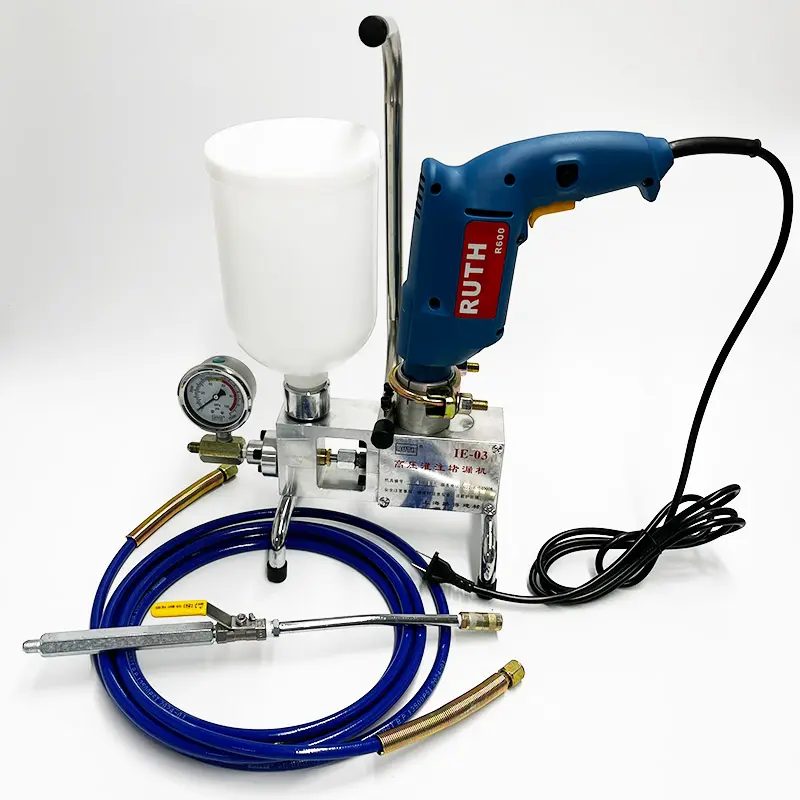
Waterproofing PU injection represents a cutting-edge solution for concrete crack repair and structural waterproofing applications across residential, commercial, and industrial sectors. This advanced polyurethane-based technology utilizes specialized injection techniques to penetrate deep into concrete substrates, creating impermeable barriers that prevent water infiltration and structural deterioration. The waterproofing PU injection system operates through a carefully engineered chemical process where liquid polyurethane compounds are injected under controlled pressure into compromised concrete structures. The main functions of waterproofing PU injection encompass comprehensive moisture control, structural reinforcement, and long-term durability enhancement. This innovative technology addresses critical waterproofing challenges by forming flexible, resilient seals that accommodate natural building movements while maintaining their protective integrity. The technological features of waterproofing PU injection include superior adhesion properties, excellent chemical resistance, and remarkable expansion capabilities that ensure complete void filling within concrete matrices. The system demonstrates exceptional performance characteristics through its ability to cure underwater, resist environmental degradation, and provide sustainable protection against hydrostatic pressure. Applications for waterproofing PU injection span numerous construction scenarios including basement waterproofing, foundation repair, tunnel sealing, parking garage restoration, and bridge deck protection. The versatility of this technology makes it particularly valuable for both preventive maintenance and emergency repair situations where rapid, reliable waterproofing solutions are essential. Modern waterproofing PU injection formulations incorporate advanced polymer chemistry that delivers enhanced flexibility, stronger bond strength, and improved resistance to freeze-thaw cycles. This technology has revolutionized traditional waterproofing approaches by offering minimally invasive application methods that reduce project timelines, minimize structural disruption, and provide cost-effective solutions for complex waterproofing challenges across diverse construction environments and challenging environmental conditions.

 EN
EN