Epoxy Injection Resin for Structural Bonding - High-Strength Concrete Crack Repair Solutions

Get a Free Quote

Email
Name
Company Name
Message
0/1000

epoxy injection resin for structural bonding

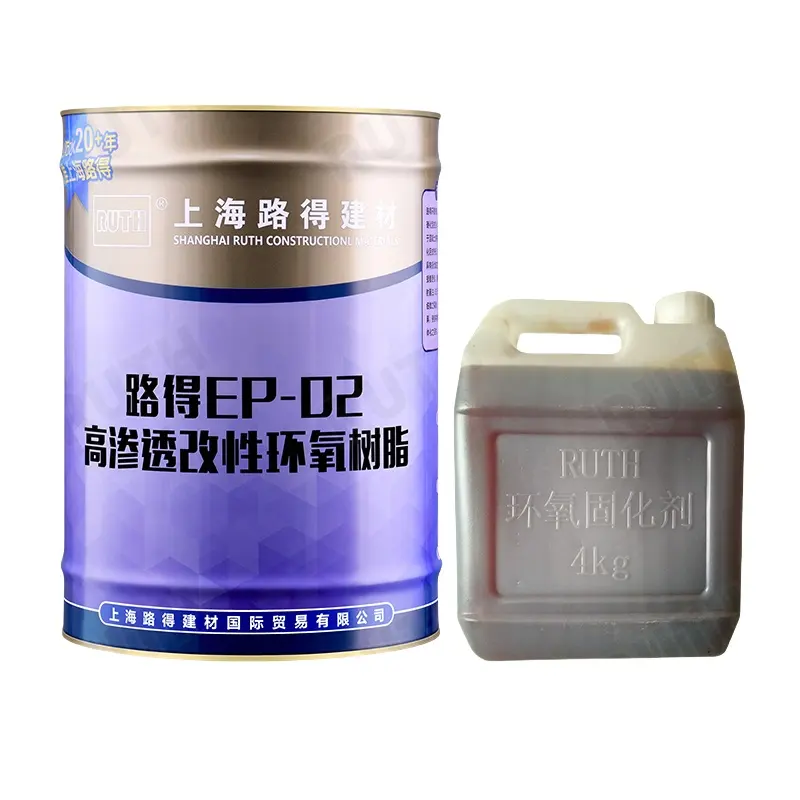
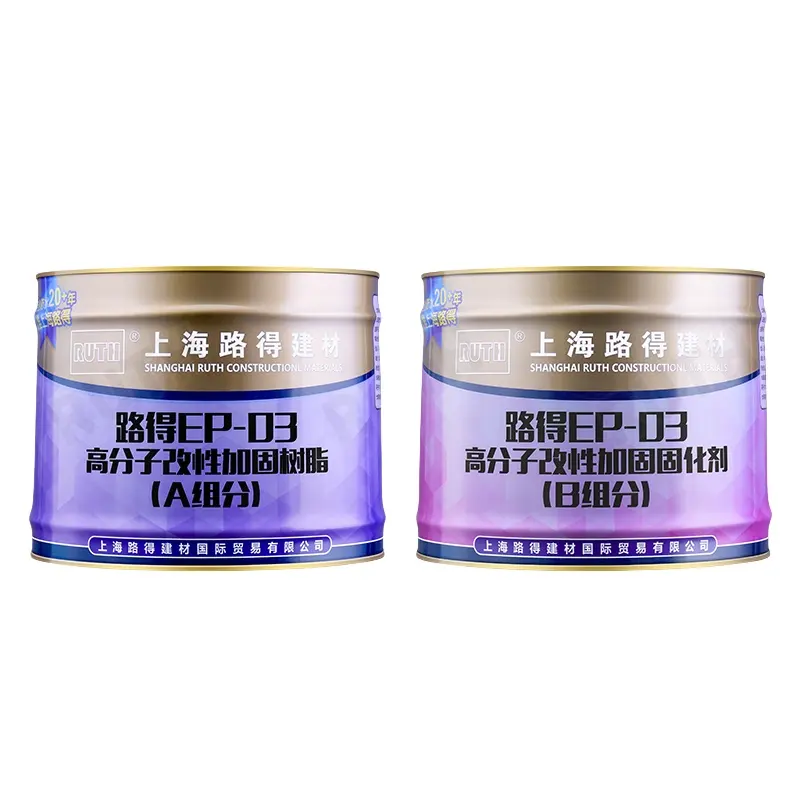
Epoxy injection resin for structural bonding represents a revolutionary advancement in construction and repair technologies, offering unparalleled performance for concrete crack repair, structural reinforcement, and foundation restoration projects. This specialized two-component adhesive system penetrates deep into concrete cracks and voids, creating permanent bonds that often exceed the strength of the original concrete substrate. The epoxy injection resin for structural bonding utilizes advanced polymer chemistry to deliver exceptional mechanical properties, including high tensile strength, superior adhesion characteristics, and outstanding durability under demanding environmental conditions. The main functions of this innovative material include crack sealing, structural strengthening, load transfer restoration, and moisture barrier creation. Unlike traditional repair methods that merely patch surface defects, epoxy injection resin for structural bonding addresses underlying structural issues by restoring monolithic integrity to damaged concrete elements. The technological features of this system encompass low viscosity formulations that enable complete penetration into hairline cracks as narrow as 0.05mm, controlled gel times that allow proper injection procedures, and excellent wetting properties that ensure intimate contact with concrete surfaces. Modern epoxy injection resin for structural bonding formulations incorporate advanced additives that enhance performance characteristics, including flexibilizers for dynamic loading applications, corrosion inhibitors for reinforcing steel protection, and UV stabilizers for exposed applications. The applications span diverse construction sectors, from highway bridge rehabilitation and building foundation repairs to marine structure restoration and industrial facility maintenance. Professional contractors rely on epoxy injection resin for structural bonding to address seismic damage, settlement cracking, thermal expansion issues, and construction joint failures. The material demonstrates exceptional performance in both passive and active crack repair scenarios, making it indispensable for comprehensive structural rehabilitation programs across residential, commercial, and infrastructure projects worldwide.


New Product Recommendations

The advantages of epoxy injection resin for structural bonding extend far beyond conventional repair materials, delivering measurable benefits that directly impact project success and long-term performance outcomes. First, this advanced system provides superior bonding strength that often surpasses the tensile capacity of concrete itself, ensuring repairs maintain structural integrity under extreme loading conditions. The deep penetration capability allows epoxy injection resin for structural bonding to reach areas inaccessible to surface treatments, creating comprehensive repairs that address root causes rather than superficial symptoms. Installation proves remarkably straightforward, requiring minimal surface preparation compared to mechanical fastening systems or extensive concrete removal procedures. The rapid curing characteristics enable quick project completion, reducing downtime costs and minimizing disruption to building occupants or traffic patterns. Weather resistance stands as another significant advantage, with properly applied epoxy injection resin for structural bonding maintaining performance through freeze-thaw cycles, chemical exposure, and UV radiation without degradation. The material creates permanent waterproof barriers that prevent moisture intrusion, protecting embedded reinforcing steel from corrosion and extending overall structural service life. Cost-effectiveness emerges through reduced labor requirements, elimination of heavy equipment needs, and prevention of progressive damage that would necessitate expensive future repairs. The versatility of epoxy injection resin for structural bonding accommodates various crack orientations, depths, and widths, making it suitable for diverse repair scenarios from minor settlement cracks to major structural defects. Quality control becomes simplified through visible injection confirmation and standardized mixing procedures that ensure consistent results across different application crews. The non-shrink properties maintain tight crack seals without developing secondary voids that could compromise repair effectiveness. Environmental benefits include reduced waste generation compared to concrete replacement methods and elimination of noise pollution associated with mechanical repair techniques. Long-term performance monitoring consistently demonstrates that structures repaired with epoxy injection resin for structural bonding maintain their restored capacity for decades, providing exceptional return on investment for property owners and infrastructure agencies seeking sustainable repair solutions.

Tips And Tricks

How Does Hydrophobic Polyurethane Prevent Water Penetration After Curing?

13

Feb

How Does Hydrophobic Polyurethane Prevent Water Penetration After Curing?

Construction and industrial applications face constant challenges from water infiltration, making waterproofing solutions critical for structural integrity and longevity. Hydrophobic polyurethane has emerged as a revolutionary material that transform...
View More
How Do Large Projects Benefit from Hydrophobic Polyurethane Grouting?

16

Feb

How Do Large Projects Benefit from Hydrophobic Polyurethane Grouting?

Large-scale construction and infrastructure projects face numerous challenges when it comes to water infiltration and structural integrity. From underground tunnels and basements to industrial facilities and marine structures, preventing water damage...
View More
What Are the Injection Requirements for Hydrophobic Polyurethane Materials?

20

Feb

What Are the Injection Requirements for Hydrophobic Polyurethane Materials?

Understanding the injection requirements for hydrophobic polyurethane materials is crucial for successful waterproofing and structural repair applications. These specialized materials offer exceptional resistance to water penetration while maintainin...
View More
How Does Hydrophobic Polyurethane Maintain Stability in Dry Crack Sealing?

02

Mar

How Does Hydrophobic Polyurethane Maintain Stability in Dry Crack Sealing?

The construction industry has witnessed remarkable advancements in sealing technologies, with hydrophobic polyurethane emerging as a revolutionary solution for crack repair and waterproofing applications. This innovative material combines the excepti...
View More

Get a Free Quote

Email
Name
Company Name
Message
0/1000

epoxy injection resin for structural bonding

Exceptional Deep Penetration Technology for Complete Crack Sealing

Exceptional Deep Penetration Technology for Complete Crack Sealing

The revolutionary deep penetration technology of epoxy injection resin for structural bonding sets new industry standards for comprehensive crack repair and structural restoration. This advanced low-viscosity formulation demonstrates remarkable flow characteristics that enable complete infiltration into concrete cracks as narrow as 0.05 millimeters, reaching depths that surface treatments cannot access. The sophisticated molecular design ensures optimal wetting properties, allowing the epoxy injection resin for structural bonding to displace air and moisture from crack interfaces while establishing intimate contact with concrete surfaces at the molecular level. This thorough penetration creates monolithic repairs that restore the original load transfer mechanisms between concrete sections, effectively eliminating stress concentrations that could lead to progressive damage. The technology incorporates carefully balanced rheological properties that maintain flowability during injection while preventing uncontrolled migration into surrounding concrete pores. Professional contractors appreciate how this penetration capability eliminates the guesswork associated with repair depth assessment, as the visible confirmation of complete crack filling provides immediate quality assurance. The capillary action enhancement built into modern epoxy injection resin for structural bonding formulations enables gravity-fed applications in vertical cracks, reducing injection pressure requirements and minimizing the risk of crack widening during repair procedures. This deep penetration technology proves particularly valuable in seismic retrofit applications, where complete crack sealing becomes critical for restoring ductility and energy dissipation capacity. The molecular bonding achieved through this penetration process creates repairs that often demonstrate higher tensile strength than the surrounding concrete, effectively turning former weak points into reinforced zones. Long-term performance studies consistently show that structures treated with deep-penetrating epoxy injection resin for structural bonding maintain their restored integrity through multiple loading cycles, temperature variations, and environmental exposures. The technology also facilitates repairs in challenging access situations, such as basement walls or elevated structures, where conventional repair methods would require extensive scaffolding or excavation work.
Superior Load Transfer and Structural Integrity Restoration

Superior Load Transfer and Structural Integrity Restoration

The superior load transfer capabilities of epoxy injection resin for structural bonding deliver unmatched structural integrity restoration that transforms damaged concrete elements back into fully functional load-bearing components. This advanced engineering performance stems from the material's exceptional modulus of elasticity, which closely matches concrete properties to ensure compatible deformation characteristics under various loading conditions. The epoxy injection resin for structural bonding creates seamless load paths that eliminate the stress concentrations typically associated with mechanical fastening systems or rigid patches, distributing applied forces uniformly across repaired sections. Structural engineers rely on this load transfer efficiency to maintain original design capacities in rehabilitated buildings, bridges, and industrial facilities without requiring costly structural modifications or load restrictions. The molecular bonding mechanism establishes permanent adhesion that withstands dynamic loading, thermal cycling, and creep deformation without developing interface failures that could compromise structural performance. Laboratory testing demonstrates that properly injected epoxy injection resin for structural bonding joints consistently exceed concrete tensile strength values, effectively creating reinforced zones that enhance overall structural capacity. This load transfer superiority proves particularly crucial in seismic applications, where energy dissipation and ductility restoration depend on maintaining continuous load paths through previously cracked sections. The material's high shear strength characteristics enable effective repair of construction joints, cold joints, and other planar discontinuities that could otherwise serve as failure planes during extreme loading events. Professional structural assessment often reveals that buildings repaired with high-performance epoxy injection resin for structural bonding demonstrate improved stiffness characteristics compared to their original condition, as the repair material fills voids and consolidates loose concrete around crack interfaces. The predictable mechanical properties allow engineers to incorporate repair effects into structural calculations, enabling accurate capacity assessments and code compliance verification. Quality assurance protocols for load transfer performance include standardized bond strength testing that validates repair effectiveness and provides documentation for regulatory approval processes, insurance claims, and warranty programs that protect property owners' investments in structural rehabilitation projects.
Outstanding Durability and Long-Term Performance Guarantee

Outstanding Durability and Long-Term Performance Guarantee

The outstanding durability characteristics of epoxy injection resin for structural bonding provide unparalleled long-term performance that protects structural investments for decades while minimizing lifecycle maintenance costs. This exceptional longevity stems from advanced polymer chemistry that resists environmental degradation factors including UV radiation, chemical exposure, freeze-thaw cycling, and aggressive moisture conditions that typically compromise conventional repair materials. Field performance data spanning over thirty years demonstrates that properly applied epoxy injection resin for structural bonding maintains its mechanical properties and waterproofing effectiveness without significant deterioration, even in harsh marine environments and industrial facilities with chemical exposure. The material's low permeability characteristics create permanent moisture barriers that prevent water intrusion and protect embedded reinforcing steel from corrosion, effectively extending structural service life well beyond original design parameters. Accelerated aging tests confirm that epoxy injection resin for structural bonding retains over ninety percent of its initial strength after equivalent exposure to fifty years of typical environmental conditions, providing exceptional confidence in long-term structural integrity. The chemical resistance properties enable applications in industrial settings where exposure to acids, alkalis, solvents, and petroleum products would rapidly degrade alternative repair materials, making it ideal for manufacturing facilities, water treatment plants, and chemical processing installations. Temperature stability ensures consistent performance across extreme climate variations, from arctic conditions to desert environments, without developing thermal stress cracks or bond failures that could compromise repair effectiveness. The non-shrink formulation prevents the development of secondary cracks that often plague cementitious repair materials, maintaining tight seals that preserve both structural capacity and moisture protection throughout the structure's service life. Warranty programs offered by leading manufacturers of epoxy injection resin for structural bonding typically extend twenty to twenty-five years, demonstrating industry confidence in material durability and providing property owners with financial protection for their repair investments. This long-term performance reliability translates into significant cost savings compared to repetitive repairs required with less durable materials, while also reducing disruption to building operations and maintaining property values through sustained structural integrity and aesthetic appearance over extended service periods.

Get a Free Quote

Email
Name
Company Name
Message
0/1000
Newsletter
Please Leave A Message With Us