hydrophilic polyurethane injection resin
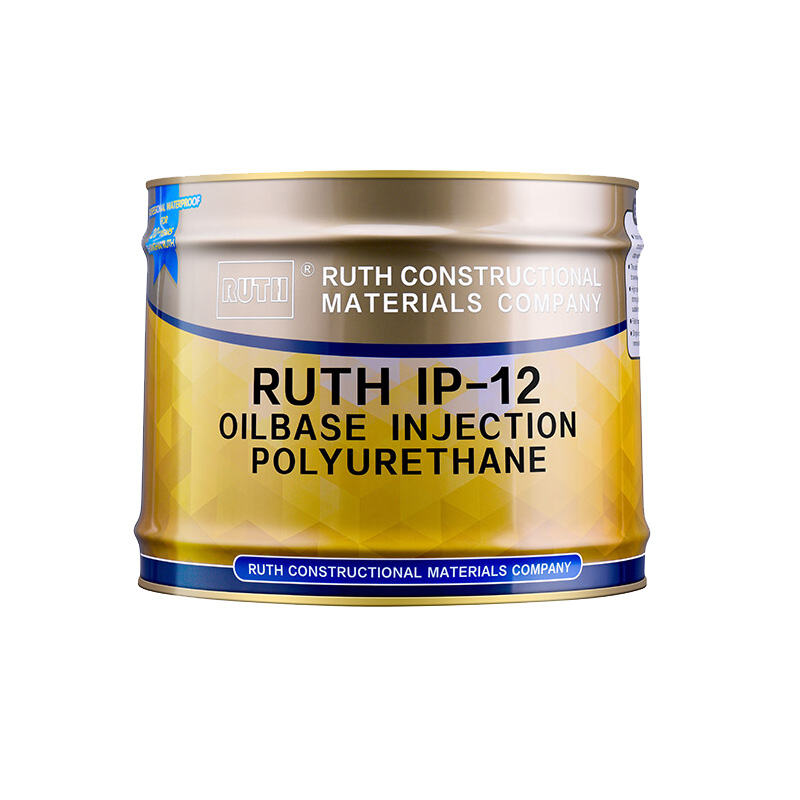
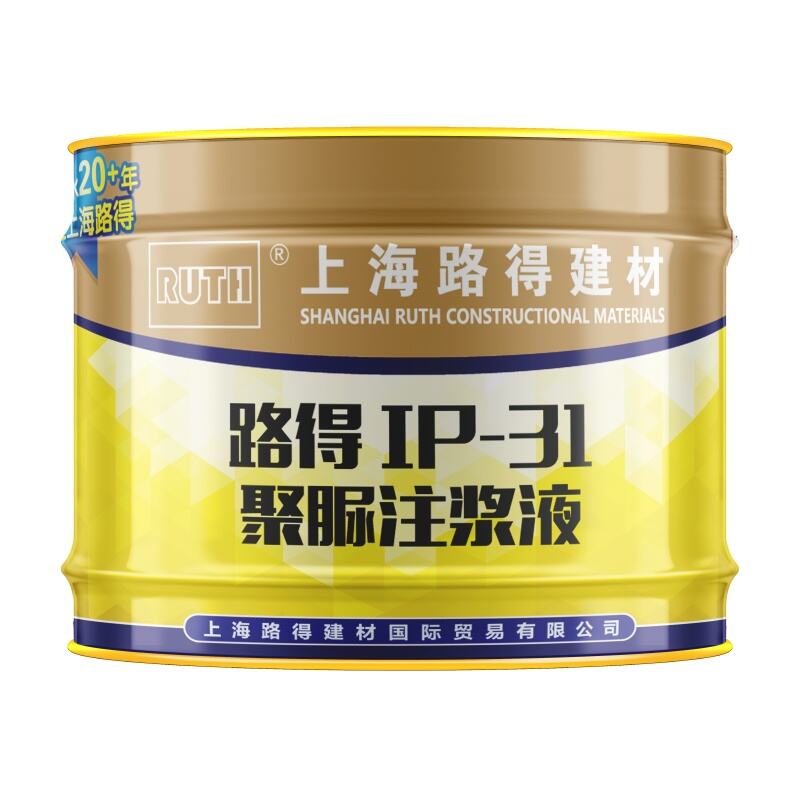
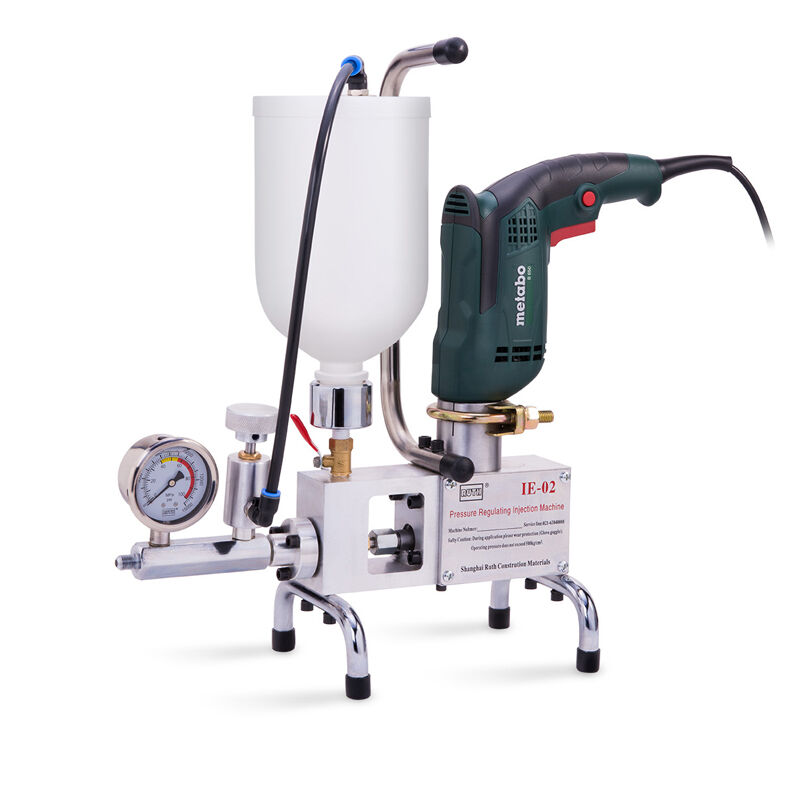
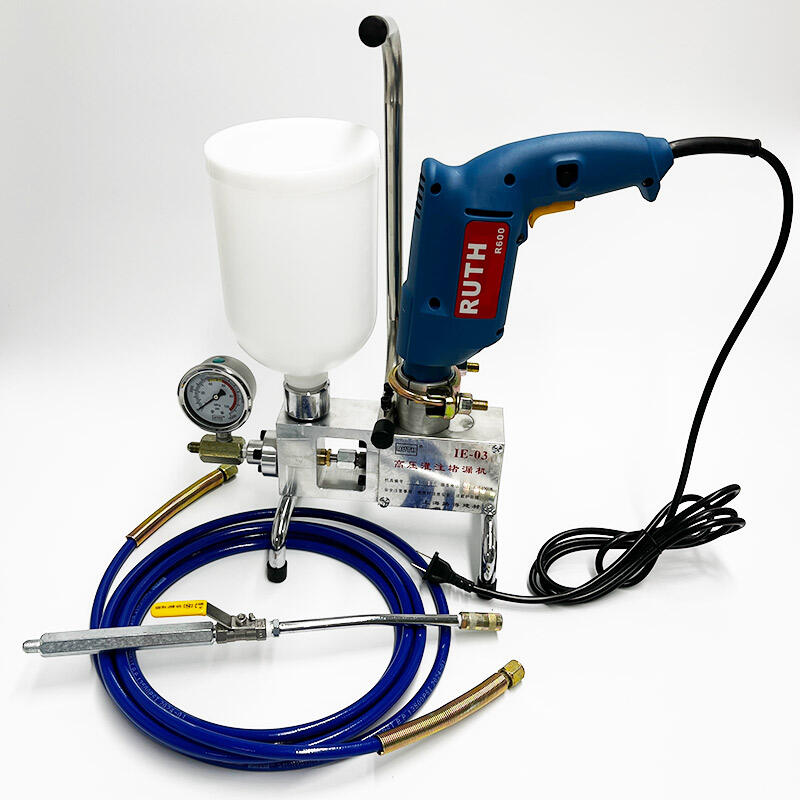
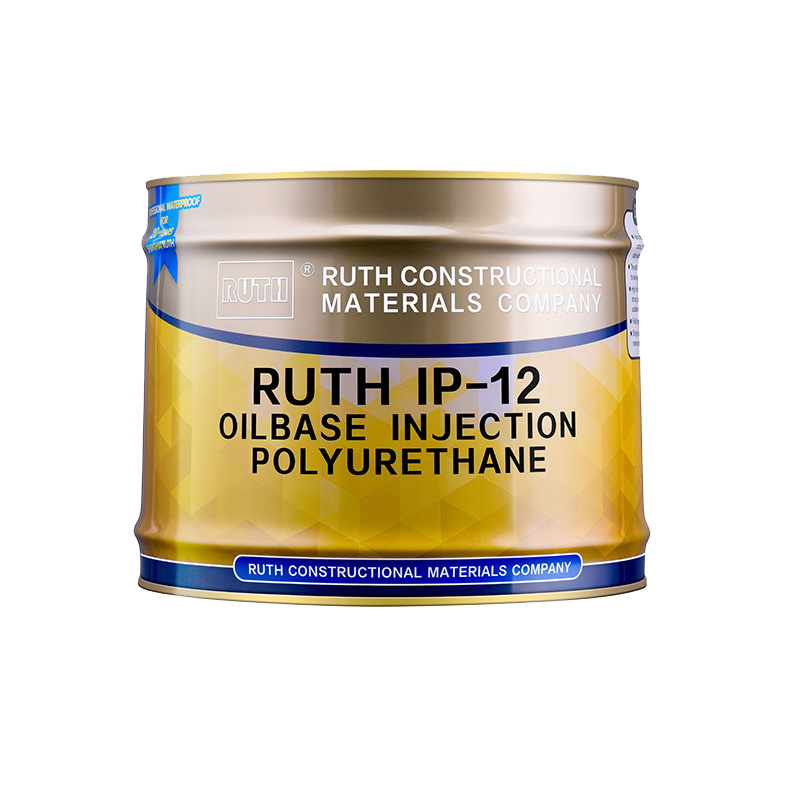
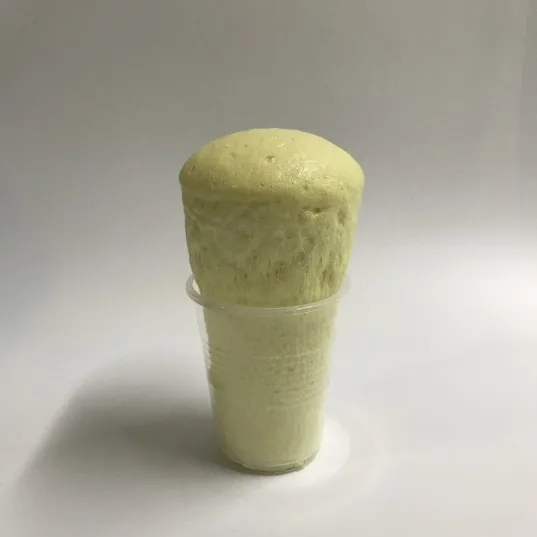
Hydrophilic polyurethane injection resin represents a cutting-edge solution for waterproofing and structural repair applications in the construction industry. This advanced chemical formulation combines the inherent strength and flexibility of polyurethane with hydrophilic properties that enable the material to react with water and expand significantly upon contact. The primary function of hydrophilic polyurethane injection resin centers on creating permanent watertight seals in cracks, joints, and voids within concrete structures, masonry, and other building materials. When injected into compromised areas, the resin undergoes a controlled expansion process that fills every microscopic gap and creates a robust barrier against water infiltration. The technological features of this innovative material include excellent adhesion properties, exceptional chemical resistance, and the ability to accommodate structural movement without losing its sealing integrity. The expansion characteristics allow the resin to penetrate deep into narrow cracks and irregular surfaces, ensuring comprehensive coverage and long-lasting protection. Temperature stability remains consistent across a wide range of environmental conditions, making hydrophilic polyurethane injection resin suitable for both indoor and outdoor applications. The curing process produces a flexible yet durable seal that maintains its waterproofing capabilities under various stress conditions. Applications for hydrophilic polyurethane injection resin span numerous sectors including basement waterproofing, tunnel construction, bridge maintenance, parking garage repairs, and foundation stabilization projects. The material proves particularly effective in addressing active water leaks where traditional sealants fail to provide adequate protection. Its versatility extends to both preventive maintenance and emergency repair situations, offering contractors and property owners a reliable solution for water ingress problems that could otherwise lead to structural damage and costly remediation efforts.

 EN
EN