Hydrophilic Polyurethane Foam - Superior Absorption Technology for Industrial and Medical Applications

Get a Free Quote

Email
Name
Company Name
Message
0/1000

hydrophilic polyurethane foam

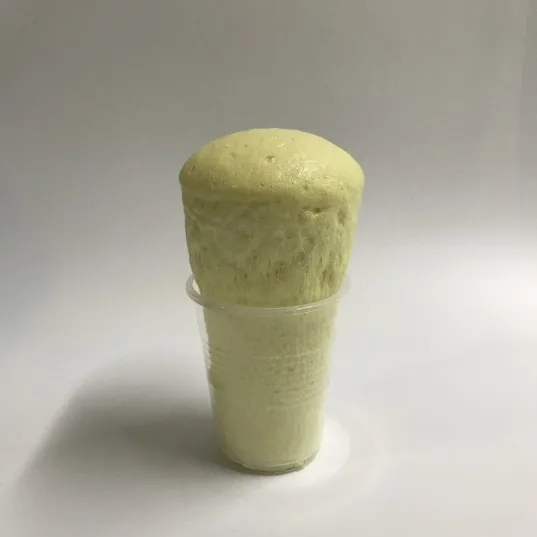
Hydrophilic polyurethane foam represents a revolutionary advancement in foam technology, engineered specifically to attract and absorb water while maintaining structural integrity. This specialized material combines the excellent mechanical properties of traditional polyurethane foam with enhanced water-absorption capabilities, making it indispensable across multiple industries. The hydrophilic polyurethane foam achieves its unique characteristics through carefully controlled chemical formulation that introduces hydrophilic groups into the polymer backbone, creating a network that readily interacts with water molecules. The manufacturing process involves incorporating specific additives and surfactants that modify the foam's surface energy, enabling superior wettability and fluid management. This innovative material typically exhibits open-cell structure with interconnected pores, facilitating rapid liquid penetration and distribution throughout the foam matrix. The technological features of hydrophilic polyurethane foam include exceptional absorption rates, often absorbing 10-30 times its dry weight in fluids, while maintaining dimensional stability under wet conditions. Its controlled porosity ensures consistent performance across various applications, from medical devices to industrial filtration systems. The foam demonstrates remarkable biocompatibility, making it suitable for direct contact with biological tissues and fluids. Temperature resistance characteristics allow the hydrophilic polyurethane foam to function effectively across wide temperature ranges, typically from -40°C to 80°C, depending on specific formulations. Applications span medical wound care, where the foam promotes healing by maintaining optimal moisture levels, automotive fuel systems for vapor management, construction industry for moisture control, and consumer products requiring superior absorbency. The material's versatility extends to customizable properties, including varying absorption rates, compression resistance, and chemical compatibility, allowing manufacturers to tailor the hydrophilic polyurethane foam specifications to meet precise application requirements while ensuring long-term performance and reliability.


New Products

Hydrophilic polyurethane foam delivers exceptional performance benefits that directly translate into practical value for customers across diverse applications. The primary advantage lies in its superior absorption capacity, which eliminates the need for frequent replacements and reduces operational costs significantly. Users experience immediate cost savings through reduced material consumption, as the hydrophilic polyurethane foam absorbs substantially more fluid per unit compared to conventional materials. This enhanced efficiency translates into fewer inventory requirements and reduced storage space needs, optimizing warehouse operations and logistics expenses. The foam maintains structural integrity even when fully saturated, preventing collapse or deformation that commonly occurs with inferior materials. This reliability ensures consistent performance throughout the product lifecycle, eliminating unexpected failures and associated downtime costs. Customers benefit from the material's rapid absorption rate, which provides immediate response in critical applications such as medical wound management or industrial spill control. The hydrophilic polyurethane foam requires minimal maintenance once installed, reducing labor costs and operational complexity for end users. Its chemical resistance properties protect against degradation from various fluids and environmental conditions, extending service life and providing excellent return on investment. The foam's lightweight nature reduces shipping costs and simplifies handling procedures, making installation and replacement procedures more efficient and cost-effective. Customers appreciate the material's consistent quality and predictable performance characteristics, which enable accurate planning and budgeting for maintenance schedules. The hydrophilic polyurethane foam offers excellent temperature stability, maintaining performance across varying environmental conditions without requiring climate control systems or protective measures. Its biocompatible nature eliminates safety concerns in medical and food-contact applications, reducing liability risks and regulatory compliance costs. The material's customizable properties allow customers to optimize performance for specific applications, eliminating over-engineering and reducing material costs. Manufacturing processes for hydrophilic polyurethane foam enable cost-effective production of complex shapes and sizes, providing design flexibility that reduces assembly time and complexity. The foam's durability reduces replacement frequency, minimizing disposal costs and environmental impact while supporting sustainability initiatives. These practical advantages combine to deliver measurable value through reduced total cost of ownership, improved operational efficiency, and enhanced product performance across all applications where hydrophilic polyurethane foam implementation occurs.

Practical Tips

What Are the Injection Requirements for Hydrophobic Polyurethane Materials?

20

Feb

What Are the Injection Requirements for Hydrophobic Polyurethane Materials?

Understanding the injection requirements for hydrophobic polyurethane materials is crucial for successful waterproofing and structural repair applications. These specialized materials offer exceptional resistance to water penetration while maintainin...
View More
How Does Hydrophobic Polyurethane Maintain Stability in Dry Crack Sealing?

02

Mar

How Does Hydrophobic Polyurethane Maintain Stability in Dry Crack Sealing?

The construction industry has witnessed remarkable advancements in sealing technologies, with hydrophobic polyurethane emerging as a revolutionary solution for crack repair and waterproofing applications. This innovative material combines the excepti...
View More
What Are Typical Applications of Hydrophobic Polyurethane in Infrastructure?

10

Mar

What Are Typical Applications of Hydrophobic Polyurethane in Infrastructure?

Infrastructure systems worldwide face constant challenges from water infiltration, soil movement, and environmental deterioration. Traditional waterproofing methods often fall short when dealing with complex underground conditions and dynamic structu...
View More
How Do Contractors Choose Hydrophilic Polyurethane for Wet Conditions?

25

Mar

How Do Contractors Choose Hydrophilic Polyurethane for Wet Conditions?

Waterproofing in wet conditions presents unique challenges that demand specialized solutions. When contractors face persistent moisture issues, concrete joints, and foundation leaks, selecting the right sealant becomes critical for project success. H...
View More

Get a Free Quote

Email
Name
Company Name
Message
0/1000

hydrophilic polyurethane foam

Exceptional Absorption Performance and Fluid Management

Exceptional Absorption Performance and Fluid Management

The exceptional absorption performance of hydrophilic polyurethane foam sets it apart as the premier choice for applications requiring superior fluid management capabilities. This remarkable material achieves absorption rates that consistently exceed 20 times its dry weight, with specialized formulations capable of absorbing up to 40 times their weight in specific applications. The absorption mechanism operates through carefully engineered pore structures that create capillary action, drawing fluids deep into the foam matrix while maintaining even distribution throughout the material. This controlled absorption process prevents surface pooling and ensures optimal fluid retention under various pressure conditions. The hydrophilic polyurethane foam maintains its absorption capacity across multiple wet-dry cycles, demonstrating exceptional durability that translates into long-term cost savings for users. The material's ability to absorb diverse fluid types, including water, oils, and various chemical solutions, makes it incredibly versatile for industrial applications. In medical settings, this absorption performance proves critical for wound care applications, where the hydrophilic polyurethane foam maintains optimal moisture levels that promote healing while preventing maceration of surrounding healthy tissue. The controlled release characteristics allow the foam to gradually release absorbed fluids when pressure is applied, making it ideal for applications requiring fluid management rather than simple absorption. Manufacturing quality controls ensure consistent pore size distribution, which directly impacts absorption uniformity and predictable performance across production batches. The foam's three-dimensional network structure prevents channeling effects that can compromise absorption efficiency in competing materials. Temperature variations minimally impact absorption performance, with the hydrophilic polyurethane foam maintaining effectiveness from freezing to elevated temperatures commonly encountered in industrial processes. The material's absorption rate can be precisely controlled during manufacturing, allowing customization for specific application requirements, whether rapid absorption for emergency response situations or controlled absorption for sustained fluid management. This exceptional performance eliminates the need for multiple material layers or frequent replacements, reducing operational complexity and associated costs while providing reliable, consistent results that customers can depend on for critical applications.
Superior Durability and Structural Integrity Under Demanding Conditions

Superior Durability and Structural Integrity Under Demanding Conditions

The superior durability and structural integrity of hydrophilic polyurethane foam ensure reliable performance even under the most demanding operational conditions, making it the preferred choice for critical applications across multiple industries. This exceptional durability stems from the material's unique polymer chemistry, which creates strong intermolecular bonds that resist degradation from repeated compression, fluid exposure, and environmental stressors. The hydrophilic polyurethane foam maintains its dimensional stability throughout numerous compression-decompression cycles, with minimal permanent deformation even after extended use periods. This resilience proves particularly valuable in applications where the foam experiences regular mechanical stress, such as automotive sealing systems or industrial filtration components. The material demonstrates remarkable resistance to chemical degradation when exposed to various solvents, oils, and cleaning agents commonly encountered in industrial environments. UV resistance properties protect the hydrophilic polyurethane foam from photodegradation during outdoor applications, maintaining color stability and mechanical properties over extended exposure periods. The foam's cell structure remains intact even when subjected to extreme temperature fluctuations, preventing cracking or cell wall collapse that commonly affects inferior materials. Hydrolysis resistance ensures the material maintains its properties in high-humidity environments or applications involving prolonged water contact. The foam's flexibility remains consistent across temperature ranges, preventing brittleness in cold conditions or softening in elevated temperatures. Manufacturing processes incorporate stabilizers and additives that enhance long-term performance, ensuring the hydrophilic polyurethane foam meets or exceeds specified service life requirements. The material's resistance to bacterial and fungal growth prevents biological degradation that can compromise performance in medical or food-contact applications. Compression set resistance ensures the foam returns to its original thickness after compression removal, maintaining sealing effectiveness and absorption capacity throughout its service life. The foam's tear resistance prevents mechanical failure during installation or use, even when subjected to pulling forces or sharp contact. Quality control testing validates durability performance through accelerated aging tests that simulate years of normal use, providing customers with confidence in long-term reliability and performance consistency that reduces total ownership costs.
Versatile Customization Options for Specialized Application Requirements

Versatile Customization Options for Specialized Application Requirements

The versatile customization options available for hydrophilic polyurethane foam enable precise tailoring to meet specialized application requirements, providing customers with optimal performance solutions that eliminate compromise between different material properties. This customization capability extends across multiple parameters, including pore size distribution, absorption rates, compression characteristics, and chemical resistance properties, allowing engineers to specify exact material characteristics for their unique applications. The hydrophilic polyurethane foam manufacturing process accommodates density variations from ultra-lightweight formulations for aerospace applications to high-density options for heavy-duty industrial use, with each density level maintaining proportional strength and absorption characteristics. Surface treatments can be applied during production to enhance specific properties, such as antimicrobial coatings for medical applications or flame-retardant treatments for safety-critical environments. Color customization options facilitate product identification and aesthetic requirements while maintaining all performance characteristics of the base hydrophilic polyurethane foam material. Thickness specifications range from thin sheets for electronic applications to thick blocks for construction use, with consistent properties maintained throughout the material cross-section. The foam can be manufactured with gradient properties, featuring varying densities or absorption rates across different regions of the same component, enabling complex functionality within single parts. Specialized additives can be incorporated during manufacturing to impart specific characteristics, such as electrical conductivity for anti-static applications or enhanced thermal conductivity for heat management systems. The hydrophilic polyurethane foam accepts various secondary processing operations, including precision cutting, molding, and bonding to other materials, expanding design possibilities for complex assemblies. Hybrid formulations combine hydrophilic and hydrophobic regions within the same foam structure, creating materials that selectively absorb specific fluids while repelling others. Manufacturing flexibility accommodates both prototype quantities for research and development purposes and high-volume production runs with consistent quality control standards. Custom packaging and shipping configurations ensure the hydrophilic polyurethane foam arrives at customer facilities in optimal condition, ready for immediate use or further processing. Technical support services assist customers in optimizing material specifications for their applications, ensuring maximum performance while minimizing costs through efficient material utilization and processing techniques that leverage the full potential of customized hydrophilic polyurethane foam solutions.

Get a Free Quote

Email
Name
Company Name
Message
0/1000
Newsletter
Please Leave A Message With Us