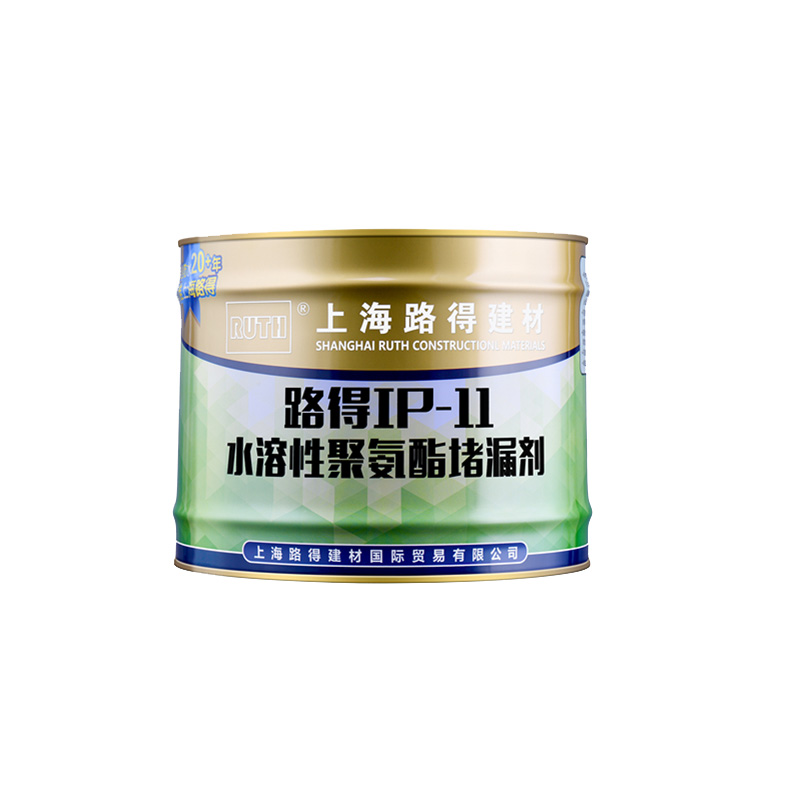
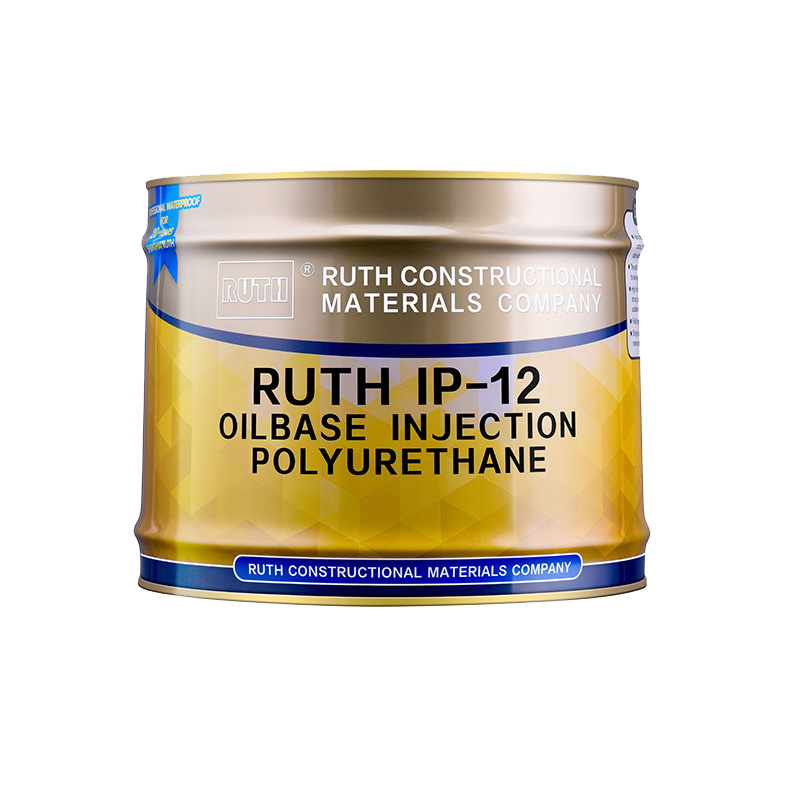
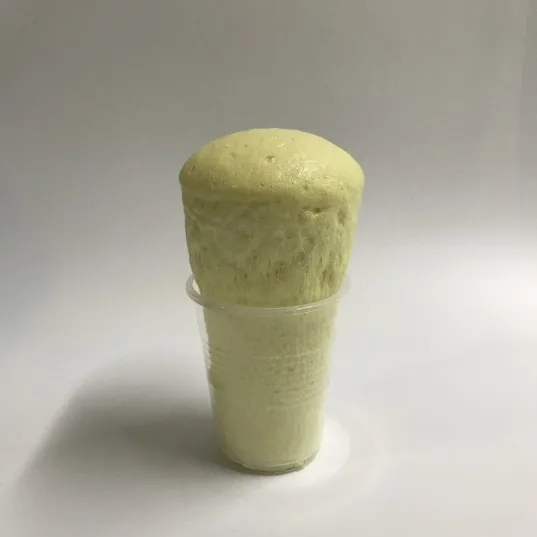
Hydrophilic Polyurethane Resin: Advanced Moisture Management and Biocompatible Solutions

Get a Free Quote

Email
Name
Company Name
Message
0/1000

hydrophilic polyurethane resin

Hydrophilic polyurethane resin represents a revolutionary advancement in polymer technology, offering exceptional water-affinity properties that make it indispensable across numerous industrial applications. This specialized resin combines the inherent durability and flexibility of traditional polyurethane with enhanced hydrophilic characteristics, creating a material that actively attracts and interacts with water molecules. The unique molecular structure of hydrophilic polyurethane resin incorporates polar functional groups that facilitate superior water absorption and retention capabilities, making it particularly valuable in moisture management applications. The main functions of this innovative material encompass waterproofing, moisture regulation, adhesion enhancement, and surface modification. Its technological features include excellent elasticity, chemical resistance, thermal stability, and remarkable biocompatibility. The resin demonstrates outstanding mechanical properties while maintaining its hydrophilic nature, allowing it to perform effectively in demanding environments where both water interaction and structural integrity are critical. Applications span across medical devices, textile treatments, construction materials, automotive components, and electronics protection. In healthcare, hydrophilic polyurethane resin serves as a coating for catheters and wound dressings, where its water-loving properties reduce friction and improve patient comfort. The construction industry utilizes this material for waterproof membranes and sealants that maintain breathability while preventing water penetration. Textile manufacturers apply hydrophilic polyurethane resin to create moisture-wicking fabrics and protective clothing. The automotive sector employs this technology in gaskets, seals, and interior components where humidity control is essential. Electronics manufacturers rely on its protective properties to safeguard sensitive components from moisture damage while allowing controlled vapor transmission. The versatility of hydrophilic polyurethane resin stems from its ability to be formulated with varying degrees of hydrophilicity, enabling customization for specific performance requirements across diverse applications.


New Products

Hydrophilic polyurethane resin delivers significant advantages that directly translate into measurable benefits for businesses and end-users alike. The material excels in moisture management applications, actively drawing water molecules to its surface while maintaining structural integrity under varying humidity conditions. This unique property eliminates the need for additional moisture-absorbing components, reducing overall system complexity and costs. The resin provides superior adhesion to both hydrophobic and hydrophilic substrates, creating stronger bonds that resist delamination even in challenging environmental conditions. Manufacturers benefit from improved processing efficiency as hydrophilic polyurethane resin flows smoothly during application and cures uniformly without defects. The material demonstrates exceptional durability, maintaining its hydrophilic properties throughout extended service life without degradation or performance loss. This longevity reduces maintenance requirements and replacement costs, delivering substantial long-term value. The biocompatible nature of hydrophilic polyurethane resin makes it suitable for medical applications where patient safety is paramount, opening new market opportunities for manufacturers. Its chemical resistance protects against common industrial solvents, acids, and bases, ensuring reliable performance in harsh operating environments. The resin offers excellent temperature stability, functioning effectively across wide temperature ranges without losing its essential properties. Processing advantages include compatibility with standard manufacturing equipment and techniques, minimizing capital investment requirements for production setup. The material can be easily modified with additives to achieve specific performance characteristics, providing flexibility in product development. Environmental benefits include reduced volatile organic compound emissions during processing and the potential for recyclability at end-of-life. Quality control becomes more predictable as hydrophilic polyurethane resin exhibits consistent batch-to-batch properties, reducing waste and improving manufacturing yields. The material's versatility enables single-source solutions for multiple applications, simplifying supply chain management and inventory requirements. Cost-effectiveness emerges from reduced material usage due to superior performance per unit volume compared to alternative solutions. These practical advantages position hydrophilic polyurethane resin as a smart choice for forward-thinking manufacturers seeking competitive differentiation through advanced material technology.

Practical Tips

How Does Polyurethane Injection Adapt to Different Leak Conditions?

02

Feb

How Does Polyurethane Injection Adapt to Different Leak Conditions?

Water intrusion and structural leaks present persistent challenges across construction, infrastructure, and industrial sectors. Traditional repair methods often fall short when addressing complex leak scenarios, particularly in challenging environmen...
View More
How Does Hydrophobic Polyurethane Prevent Water Penetration After Curing?

13

Feb

How Does Hydrophobic Polyurethane Prevent Water Penetration After Curing?

Construction and industrial applications face constant challenges from water infiltration, making waterproofing solutions critical for structural integrity and longevity. Hydrophobic polyurethane has emerged as a revolutionary material that transform...
View More
What Are the Injection Requirements for Hydrophobic Polyurethane Materials?

20

Feb

What Are the Injection Requirements for Hydrophobic Polyurethane Materials?

Understanding the injection requirements for hydrophobic polyurethane materials is crucial for successful waterproofing and structural repair applications. These specialized materials offer exceptional resistance to water penetration while maintainin...
View More
How Does Hydrophobic Polyurethane Perform Compared to Hydrophilic Systems?

20

Mar

How Does Hydrophobic Polyurethane Perform Compared to Hydrophilic Systems?

Understanding the performance differences between hydrophobic polyurethane and hydrophilic systems is crucial for engineers, contractors, and facility managers making informed decisions about waterproofing and sealing solutions. While both systems of...
View More

Get a Free Quote

Email
Name
Company Name
Message
0/1000

hydrophilic polyurethane resin

Revolutionary Moisture Management Technology

Revolutionary Moisture Management Technology

The moisture management capabilities of hydrophilic polyurethane resin represent a breakthrough in material science that transforms how industries approach water interaction challenges. Unlike conventional materials that merely resist or absorb moisture, this advanced resin actively manages water molecules through controlled attraction and release mechanisms. The technology works by incorporating hydrophilic segments within the polyurethane backbone that create specific interaction sites for water molecules. These sites enable the material to absorb moisture when humidity levels are high and release it when conditions become drier, creating a self-regulating moisture balance. This dynamic behavior proves invaluable in applications where maintaining optimal humidity levels is critical for performance and longevity. In textile applications, hydrophilic polyurethane resin creates fabrics that keep users comfortable by wicking moisture away from the skin while allowing vapor transmission to prevent condensation buildup. The construction industry benefits from this technology in building materials that breathe naturally while maintaining waterproof barriers, preventing mold growth and structural damage caused by trapped moisture. Medical applications leverage this moisture management for wound care products that maintain optimal healing environments by controlling moisture levels at the wound site. The technology also enables the development of smart packaging materials that protect sensitive products from humidity fluctuations during storage and transportation. Manufacturing processes benefit from improved handling characteristics as the controlled moisture interaction reduces static buildup and improves material flow properties. Quality improvements emerge from the consistent moisture management performance, which eliminates variability caused by environmental humidity changes. The economic impact includes reduced energy costs for climate control systems as the material naturally moderates humidity levels. Long-term benefits encompass extended product lifespans due to better moisture control, reducing replacement frequencies and maintenance costs. This revolutionary approach to moisture management positions hydrophilic polyurethane resin as an essential technology for industries seeking advanced solutions to water-related challenges while improving overall product performance and user satisfaction.
Exceptional Biocompatibility and Safety Profile

Exceptional Biocompatibility and Safety Profile

The exceptional biocompatibility and safety profile of hydrophilic polyurethane resin establishes it as the preferred choice for medical and healthcare applications where human safety cannot be compromised. This material undergoes rigorous biocompatibility testing according to international standards, demonstrating excellent tissue compatibility and minimal inflammatory response when in contact with biological systems. The hydrophilic nature contributes significantly to its biocompatible properties by reducing protein adsorption and bacterial adhesion, which are common causes of medical device complications. Healthcare providers benefit from reduced infection risks as the smooth, water-attracting surface inhibits bacterial colonization and biofilm formation. The material's non-toxic composition ensures patient safety during both short-term and long-term exposure scenarios, making it suitable for implantable devices and chronic care applications. Medical device manufacturers gain competitive advantages through faster regulatory approvals due to the well-documented safety profile and established testing protocols for hydrophilic polyurethane resin. The material enables the development of more comfortable medical devices as its soft, lubricious surface reduces friction and irritation during insertion and wear. Blood compatibility testing reveals excellent hemocompatibility, making the resin suitable for cardiovascular applications and blood-contacting devices. The stable chemical structure prevents leaching of potentially harmful compounds, maintaining safety throughout the device's intended lifespan. Sterilization compatibility allows for multiple sterilization methods without degrading the material's properties or safety profile, providing flexibility in manufacturing and reprocessing protocols. Cytotoxicity studies consistently demonstrate cell viability and normal cellular function when exposed to the material, supporting its use in tissue engineering and regenerative medicine applications. The predictable biological response enables medical professionals to anticipate device performance and patient outcomes with greater confidence. Research and development costs decrease as the established biocompatibility data accelerates new product development timelines. Patient outcomes improve through reduced complications, faster healing times, and enhanced comfort levels associated with devices utilizing hydrophilic polyurethane resin technology. This exceptional safety profile positions the material as an essential component in advancing healthcare technology and improving patient care standards.
Superior Chemical and Environmental Resistance

Superior Chemical and Environmental Resistance

The superior chemical and environmental resistance of hydrophilic polyurethane resin provides unmatched durability and reliability in challenging operating conditions across diverse industrial applications. This remarkable resistance stems from the carefully engineered molecular structure that combines hydrophilic functionality with robust polyurethane chemistry, creating a material that maintains performance integrity when exposed to aggressive chemicals, extreme temperatures, and harsh environmental conditions. Industrial manufacturers benefit from extended equipment lifespans as components made with hydrophilic polyurethane resin resist degradation from common industrial chemicals including acids, bases, solvents, and oxidizing agents. The material demonstrates exceptional stability in aqueous environments where traditional materials might swell, crack, or lose mechanical properties, making it ideal for marine applications and water treatment systems. Temperature resistance spans from cryogenic conditions to elevated temperatures, enabling use in aerospace applications, automotive under-hood components, and industrial processing equipment. UV resistance prevents degradation from solar exposure, maintaining both appearance and performance in outdoor applications without the need for protective coatings or frequent replacement. The chemical inertness prevents catalytic reactions that could compromise system integrity or contaminate processes, particularly important in pharmaceutical and food processing applications. Maintenance costs decrease significantly as the material's resistance properties reduce the frequency of component replacement and system downtime. Environmental compliance improves as the stable chemistry prevents leaching of substances that could impact surrounding ecosystems or regulatory compliance. The material's resistance to hydrolysis ensures long-term performance in humid environments where other polymers might degrade, providing reliable service in tropical climates and high-moisture industrial processes. Oil and grease resistance makes hydrophilic polyurethane resin suitable for automotive and machinery applications where exposure to lubricants is common. The combination of chemical resistance with hydrophilic properties enables unique applications such as selective membrane technologies and specialized filtration systems. Quality assurance becomes more predictable as the material's consistent resistance properties reduce variability in product performance across different environmental conditions. This superior resistance profile enables design engineers to specify hydrophilic polyurethane resin with confidence, knowing it will deliver reliable performance throughout its intended service life regardless of operating challenges.

Get a Free Quote

Email
Name
Company Name
Message
0/1000
Newsletter
Please Leave A Message With Us