pu foam
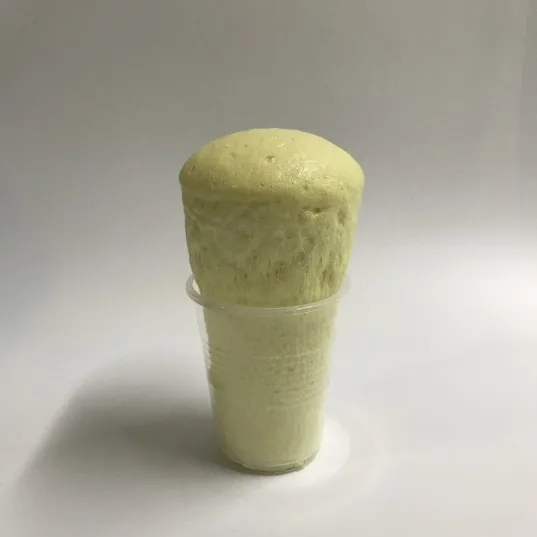
PU foam, also known as polyurethane foam, represents a revolutionary material that has transformed countless industries through its exceptional versatility and performance characteristics. This synthetic polymer foam emerges from a chemical reaction between polyols and diisocyanates, creating a cellular structure that offers remarkable properties for diverse applications. The primary functions of PU foam encompass insulation, sealing, cushioning, and structural support, making it an indispensable component across construction, automotive, furniture, and packaging sectors. The technological features of PU foam include its ability to expand significantly during application, conforming perfectly to irregular shapes and surfaces while maintaining consistent density throughout the cured material. This expansion property allows PU foam to fill gaps, cavities, and voids with precision that traditional materials cannot achieve. The foam exhibits excellent thermal insulation properties, with R-values that surpass many conventional insulating materials, while simultaneously providing effective moisture barriers and air sealing capabilities. Its closed-cell structure prevents water absorption and maintains structural integrity even under challenging environmental conditions. PU foam applications span from residential and commercial building insulation to automotive components, marine applications, and specialized industrial uses. In construction, PU foam serves as continuous insulation for walls, roofs, and foundations, eliminating thermal bridging and creating energy-efficient building envelopes. The automotive industry utilizes PU foam for sound dampening, structural reinforcement, and crash energy absorption. Furniture manufacturers incorporate PU foam in seating applications where comfort and durability are paramount. The packaging industry relies on PU foam for protecting delicate electronics and fragile items during shipping. Recent technological advances have introduced spray-applied PU foam systems that cure rapidly on-site, reducing installation time and labor costs while ensuring superior coverage and adhesion to various substrates.

 EN
EN